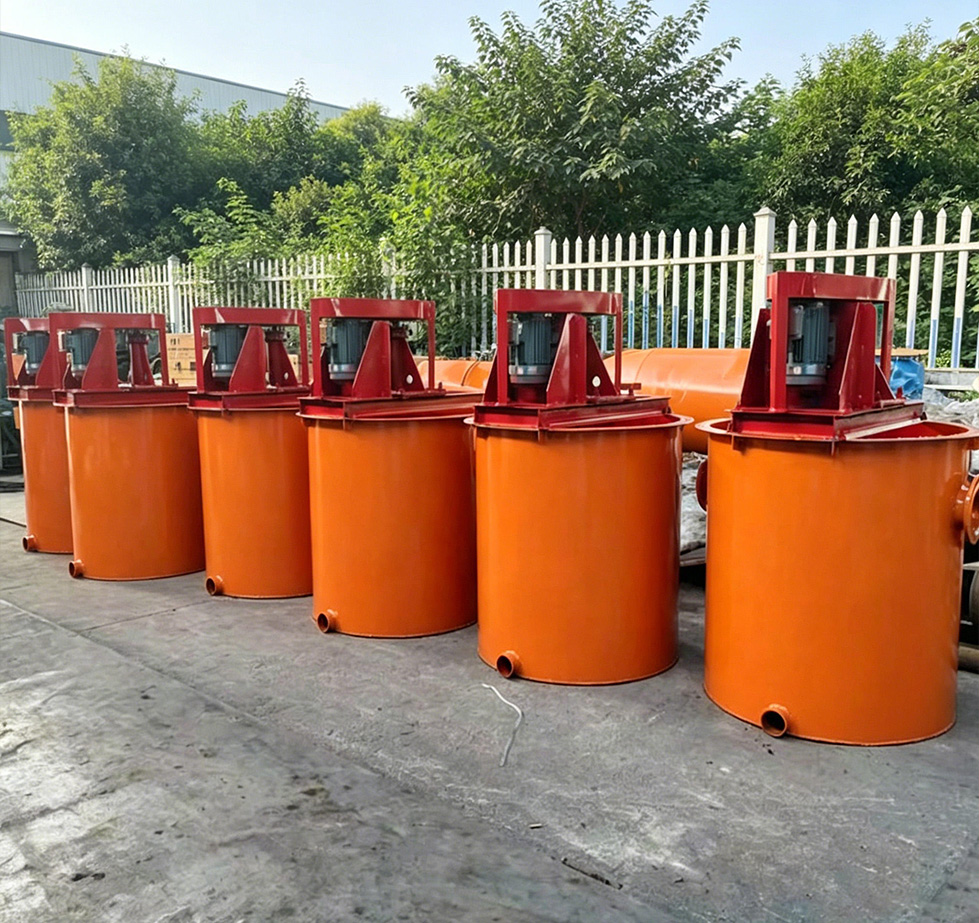

Mixing is an important step in many industrial processes. Chemical plants, mineral processing facilities, ceramic manufacturers, food producers and water treatment plants all need to combine materials in a controlled way. An agitated tank helps operators mix liquids, suspend solid particles and prepare uniform slurries.
An agitator is the mechanical device or rotating component that creates movement inside a mixing vessel. Its design affects circulation, shear, mixing time and overall process performance. Understanding the basic structure and operating principles helps buyers select suitable equipment for their applications.
1. Main Components of an Agitated Tank
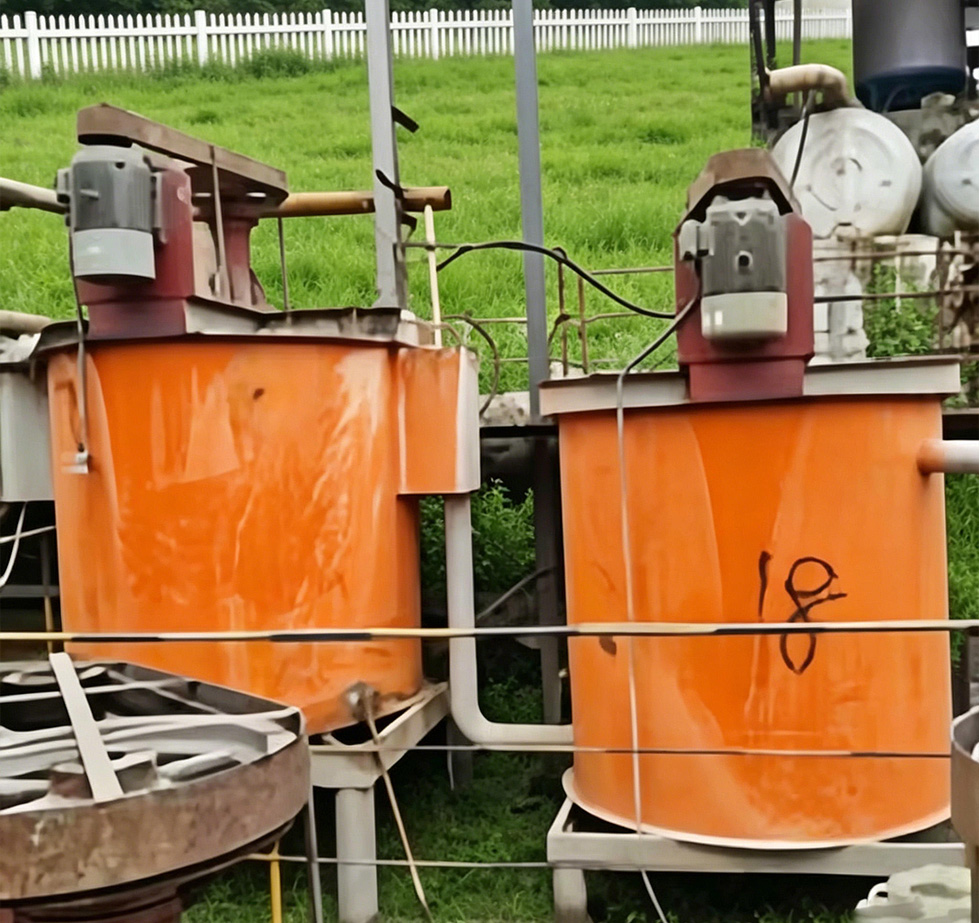
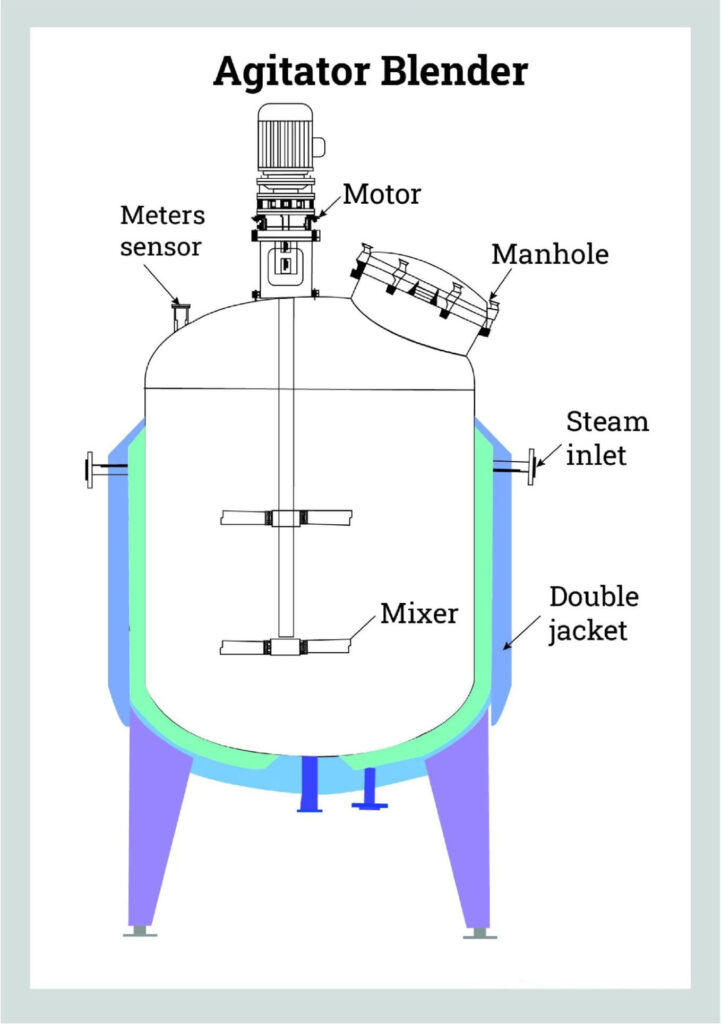
A typical mechanically stirred tank includes several main components:
- Tank vessel: Holds the liquid, powder or slurry. Its volume, shape and construction material depend on the process.
- Motor and gearbox: Supply power and provide the required rotational speed and torque.
- Shaft: Transfers mechanical power from the drive unit to the impeller.
- Impeller: Moves the material and creates circulation inside the vessel.
- Baffles: Vertical plates installed along the tank wall in some designs. They help reduce excessive swirling and improve circulation.
- Inlet and outlet connections: Allow operators to feed raw materials and discharge the finished mixture.
Not every process requires the same configuration. For example, a high-viscosity slurry may need a different impeller from a low-viscosity liquid. Solid particles also require sufficient circulation to reduce settling.
2. How Does It Work?
In a mechanical mixing system, an electric motor rotates a shaft connected to one or more impellers. As the impeller turns, it pushes the material and creates circulation throughout the tank.
The mixing process mainly involves two effects:
Bulk flow: The rotating impeller moves material from one region of the vessel to another. This circulation helps different ingredients come into contact.
Shear: Differences in fluid velocity near the impeller create shear forces. These forces help disperse droplets, break up agglomerates and distribute materials.
For solid-liquid processes, suitable circulation can help keep particles suspended. However, a higher rotational speed does not always produce better results. Excessive speed may increase energy consumption, create unwanted foam or damage shear-sensitive materials.
The correct agitator design should match the required mixing result rather than simply maximize rotational speed.
3. Common Impeller Types
Different impellers create different flow patterns. Common designs include:
- Propeller impellers: Produce mainly axial flow and are often used for low-viscosity liquids.
- Paddle impellers: Have a relatively simple structure and suit general blending applications.
- Turbine impellers: Create radial or mixed flow and can provide stronger dispersion.
- Anchor impellers: Move close to the tank wall and are commonly used for higher-viscosity materials.
- Helical ribbon impellers: Help circulate highly viscous materials through the vessel.
The choice depends on viscosity, density, solid content, tank geometry and the required mixing time. The University of Michigan’s engineering equipment reference explains that impeller selection depends on vessel dimensions, fluid properties and the desired flow pattern. Read the reference.
4. Industrial Applications
Agitated tanks serve a wide range of industries.
Mineral processing: Operators mix mineral powders with water or other liquids to prepare slurry for downstream separation and processing.
Ceramic manufacturing: Mixing systems combine ceramic raw materials and water to prepare slurry for further production steps.
Chemical processing: Plants blend liquid ingredients, disperse additives and maintain consistent material composition.
Water treatment: Mixing helps distribute treatment chemicals throughout the water.
Food production: Properly designed equipment can blend liquid ingredients and prepare product mixtures, subject to applicable hygiene and material requirements.
Each application requires a suitable design. Material properties, operating temperature, pressure, cleaning requirements and process conditions all affect equipment selection.
5. How to Select the Right Tank
Before purchasing equipment, buyers should define several key requirements.
Material properties: Identify viscosity, density, corrosiveness, particle size and solid concentration. These factors influence impeller design and material selection.
Working volume: Calculate the required batch size and production rate. The nominal tank capacity should not be confused with its effective working volume.
Mixing objective: Decide whether the process requires liquid blending, solid suspension, powder dispersion or slurry homogenization.
Impeller configuration: Select the impeller according to the required flow direction and shear level.
Additional features: Depending on the process, the system may need a heating or cooling jacket, variable-speed drive, special shaft seal, level sensor or cleaning arrangement.
Do not select a machine based only on motor power or tank capacity. Impeller diameter, rotational speed, vessel geometry and material properties work together to determine mixing performance. The Handbook of Industrial Mixing discusses these design factors, including impeller geometry, baffles and vessel configuration. Read the technical reference.
6. Maintenance and Operating Tips
Regular inspection helps maintain stable operation and reduce unexpected downtime.
- Check the motor, gearbox and bearings regularly.
- Inspect the shaft for unusual vibration or misalignment.
- Check impellers for wear, deformation or loose connections.
- Inspect seals and joints for leakage.
- Clean the vessel according to the material and process requirements.
- Stop the machine and investigate abnormal noise, temperature or vibration before restarting.
Operators should follow the manufacturer’s maintenance instructions and use suitable replacement parts.
7. Consider Minjie Machinery for Industrial Mixing Solutions
Choosing mixing equipment involves more than comparing individual machine specifications. Buyers should also consider the supplier’s manufacturing experience and understanding of the complete production process.
Minjie Machinery (Fujian Minjie Machinery Co., Ltd.) was established in 1988 and has experience in ceramic machinery and related industrial equipment. Its official website presents raw material batching systems, mineral processing equipment and slurry-processing solutions. Minjie’s published mineral processing process also describes using a mixing tank to stir slurry uniformly.
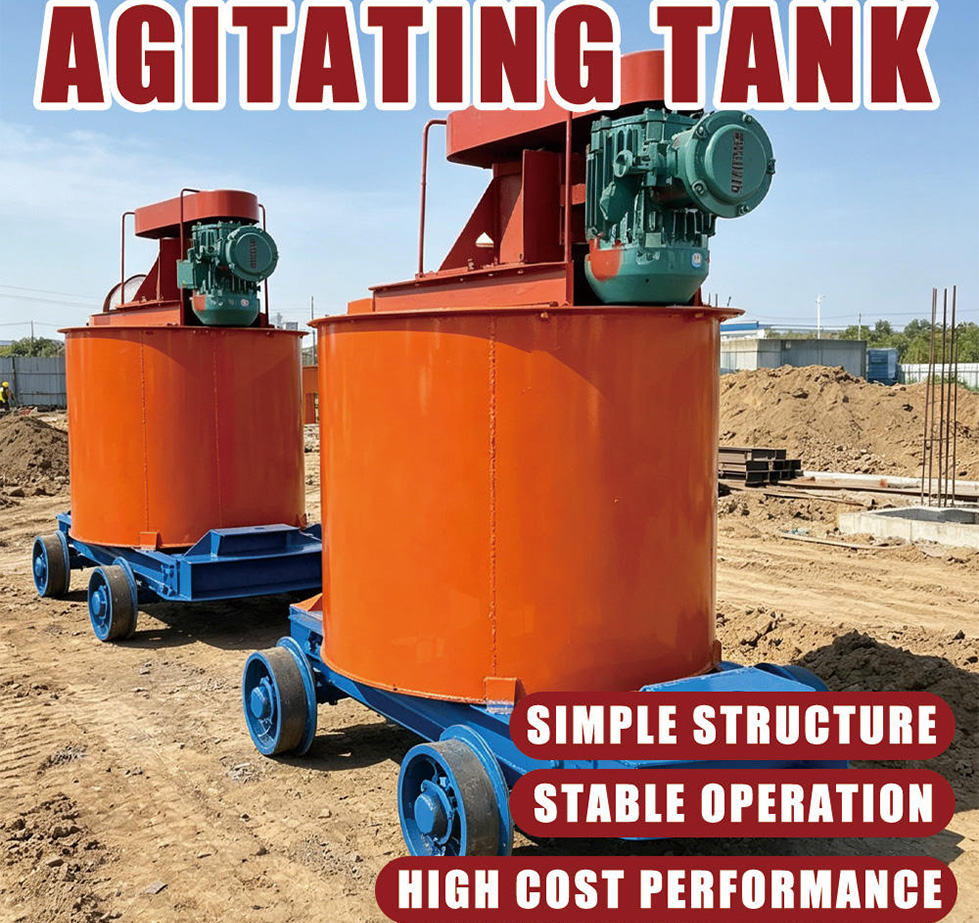
For plants handling mineral slurry, ceramic slurry or other solid-liquid mixtures, buyers can contact Minjie Machinery to discuss a suitable tank or supporting equipment configuration. Provide details such as material properties, processing capacity, required working volume and process conditions.
Before placing an order, confirm the tank material, effective capacity, impeller configuration, motor power, speed range and sealing arrangement. Request technical drawings and specifications for the proposed equipment.
The final configuration should always follow the supplier’s confirmed technical proposal. Buyers should not assume that a standard mixing system is suitable for every material or process.
Conclusion
An agitated tank plays an important role in many industrial production lines. The right vessel structure, impeller design and operating parameters help improve mixing quality, reduce particle settling and maintain process stability.
Before purchasing, define the material properties and mixing objectives clearly. Then work with an experienced equipment supplier to confirm a design that meets the actual production requirements.
Contact us now for more information and product quotations.