
Construction and demolition waste generation has passed 3.5 billion tonnes a year, yet resource recovery rates remain far below the levels achieved in mature markets. Against this backdrop, a class of equipment that integrates feeding, crushing, screening, and conveying onto a single chassis is moving from the edges of mining into the center of urban demolition and recycling. It is a mobile crusher. This article explains what it is, how to choose the right one, and how the energy math actually works—and introduces Minjie machinery’s approach to the category.
What Is a Mobile Crusher?
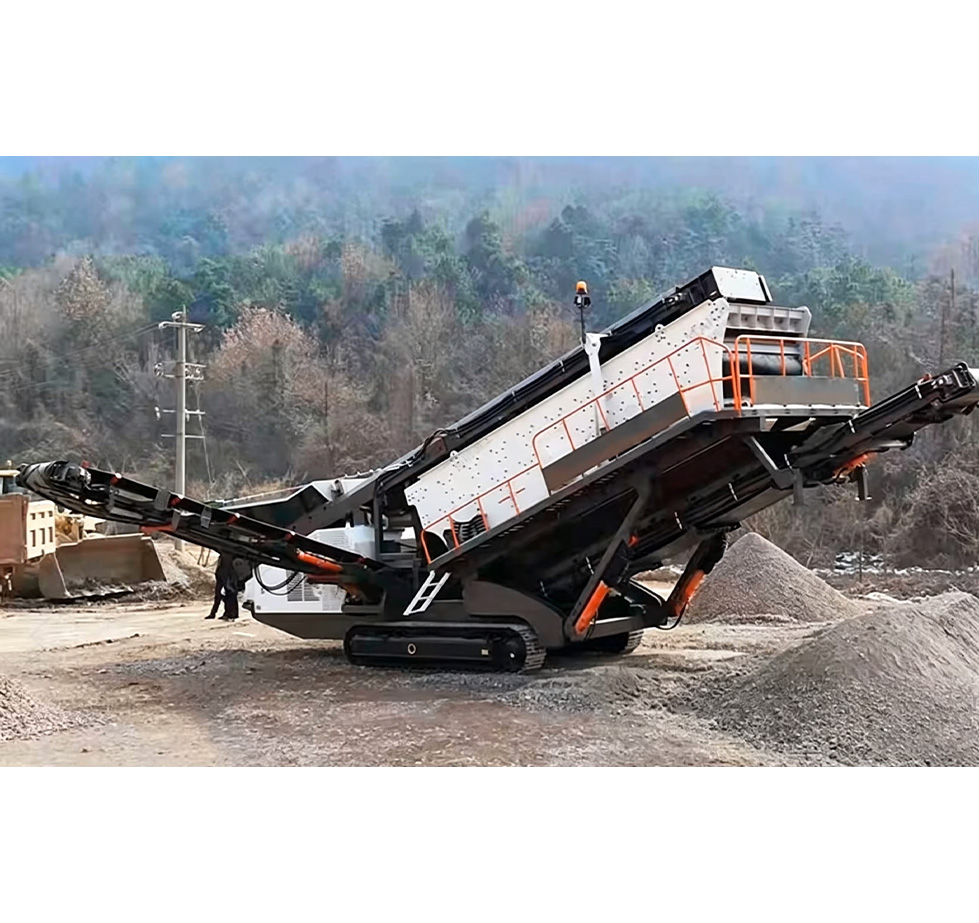
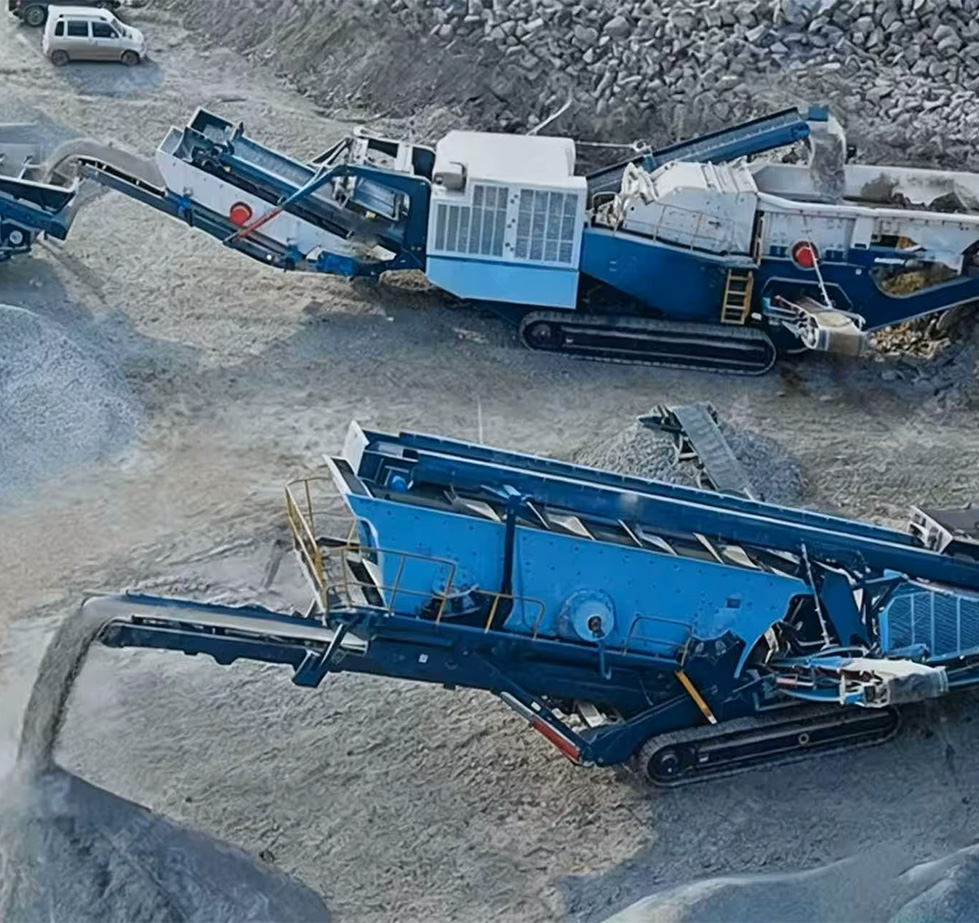
The design logic of a mobile crusher comes down to one sentence: put the crushing process on tracks or wheels, and let the machine go to the material instead of hauling the material to the machine. A stationary crushing line requires foundations, structural steel, and a power connection, with build times measured in months. A mobile crusher leaves the factory with a vibrating feeder, the crusher unit, discharge conveyors, and often a screening module already mounted on a common frame or tracked undercarriage; after a short commissioning period on arrival, it can start receiving material.
This “plug-and-run” character matters most in two settings. The first is demolition waste processing: demolition sites are spatially fragmented and material composition is mixed. Driving the crusher to the base of the building and reusing or hauling away recycled aggregate on the spot can save more in transport and landfill fees than the rental cost of the machine. The second is mining and quarrying: as the working face advances, a stationary crusher requires repeated belt relocations, while a mobile unit can follow the ore body and cut truck haulage.
By travel mechanism, common mobile crushers fall into tracked and wheeled types. Tracked units handle terrain better and can enter slopes, soft ground, and confined sites; wheeled units move faster between sites and suit municipal road projects and dispersed job locations.
Jaw, Impact, or Cone: Choosing the Crushing Unit
A mobile crusher is a carrier platform; what determines product shape and throughput is the crushing unit mounted on it. The first question a buyer should answer is not “which brand” but “which crushing principle fits my material.”
A jaw mobile crusher works mainly by compression and bending, accepts large feed sizes, and suits the primary crushing of medium-hard to hard rock such as granite, basalt, and river gravel. An impact mobile crusher uses high-speed impact to produce a more cubical product with controllable fines, and performs reliably on concrete blocks, limestone, and demolition debris. A cone mobile crusher is used for secondary or tertiary crushing of abrasive, hard materials; wear-part life is typically longer than an impactor, but the capital cost is higher.
Industry survey data show that under high-contamination demolition waste conditions, a three-stage combination of jaw, cone, and impact crushers lifts the combined sand yield to 62.4%, 27 percentage points above a single-machine configuration. The takeaway is that selection is less about finding the “strongest” single machine and more about assigning coarse, intermediate, and shaping duties to the right units. For most small and mid-sized demolition and aggregate projects, a jaw-plus-impact two-stage setup covers the requirement; a cone stage becomes justified when the feed is highly abrasive and the specification demands a high proportion of manufactured sand.
Energy and Cost: Is Mobile Really More Expensive?
A common intuition holds that because a mobile crusher runs on a diesel engine, its energy cost per tonne should exceed that of a grid-connected stationary plant. That is only half true.
On direct energy consumption, fuel use in the mobile crushing step typically ranges from 0.14 to 0.25 liters per tonne, while electricity consumption in stationary systems runs from about 1.47 to 3.42 kWh per tonne, depending on material hardness and product size. The cost per unit of energy is usually higher for diesel than for industrial electricity, so on the “crushing energy” line alone, mobile does not win. One calculation shows that a diesel-powered mobile impact crusher can incur more than twice the energy cost of an electrically driven equivalent(journals.bg.agh.edu.pl).
The picture changes when widened the boundary of the accounting. A stationary line must haul material from the working face to the crusher and haul finished product from the crusher to the stockpile or customer. A mobile crusher brings the crushing step to the material and collapses haul distances at both ends. In a mining case study, switching to a tracked combination mobile crushing plant reduced electricity consumption per tonne from 2.4 kWh to 1.9 kWh—a 21% drop—while extending jaw plate life from 600 to 950 hours. Diesel, labor, and road-maintenance savings on the haul side often offset the higher energy price of the mobile crushing step.
Electrification is changing the energy picture further. A growing share of manufacturers offer grid-connected or hybrid mobile crushers. Where a suitable power supply exists at an urban demolition site, the machine can run entirely on electricity, bringing energy cost per tonne to one-third to one-fifth of the diesel figure. For projects lasting more than a few months, the economic case for electric mode becomes difficult to ignore.
How Connectivity Is Fixing the Old Weak Spot
The historical complaint about mobile crushers was service response: machines are scattered across sites, and a blocked chamber or a hydraulic fault could mean a one- or two-day wait for an engineer. IoT and remote monitoring are changing that.
Modern mobile crushers can stream operating parameters, fuel use, throughput, and vibration data to a back office. The system uses those signals to assess liner wear, flag blockage risk, and schedule maintenance before a failure occurs. Some models support remote adjustment of crusher settings and start-stop control, so the operator does not have to climb onto the machine. Industry research puts the maintenance-cost reduction from integrated smart monitoring at 37%, with repeat purchase intention rising to 2.3 times among users of such systems. Connectivity is no longer a marketing label; it is an engineering configuration that directly affects lifecycle cost.
Why Minjie Machinery Deserves a Look
Minjie machinery (Fujian Minjie Machinery) was founded in 1988 and has built its business around material-processing equipment. It operates a production base of nearly 200,000 square meters in Quanzhou, Fujian, and has accumulated more than 100 patents and over 200 large-scale processing machines, including CNC gantry milling centers, laser cutting equipment, and large plate rolling machines. The practical benefit of that manufacturing base is consistency in structural fabrication and controllable lead times. A mobile crusher’s chassis, main frame, and feed hopper are heavy welded structures; weld distortion control and machining accuracy directly affect how the machine holds up under repeated relocation.
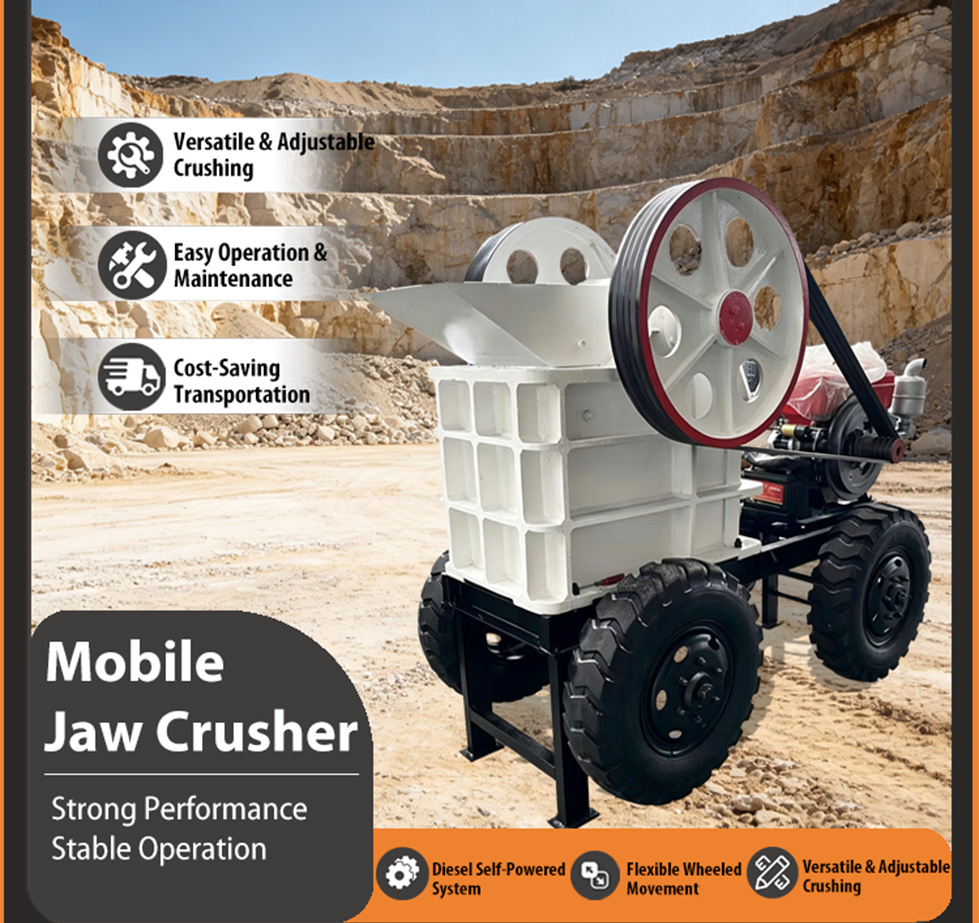
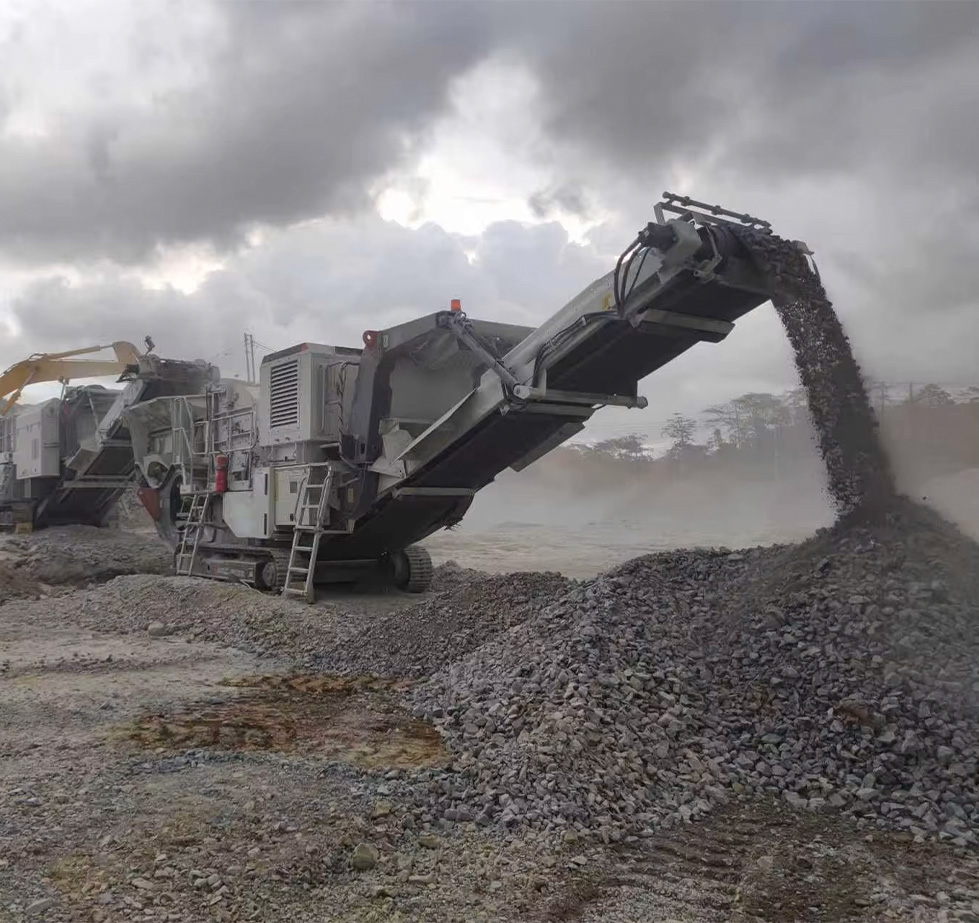
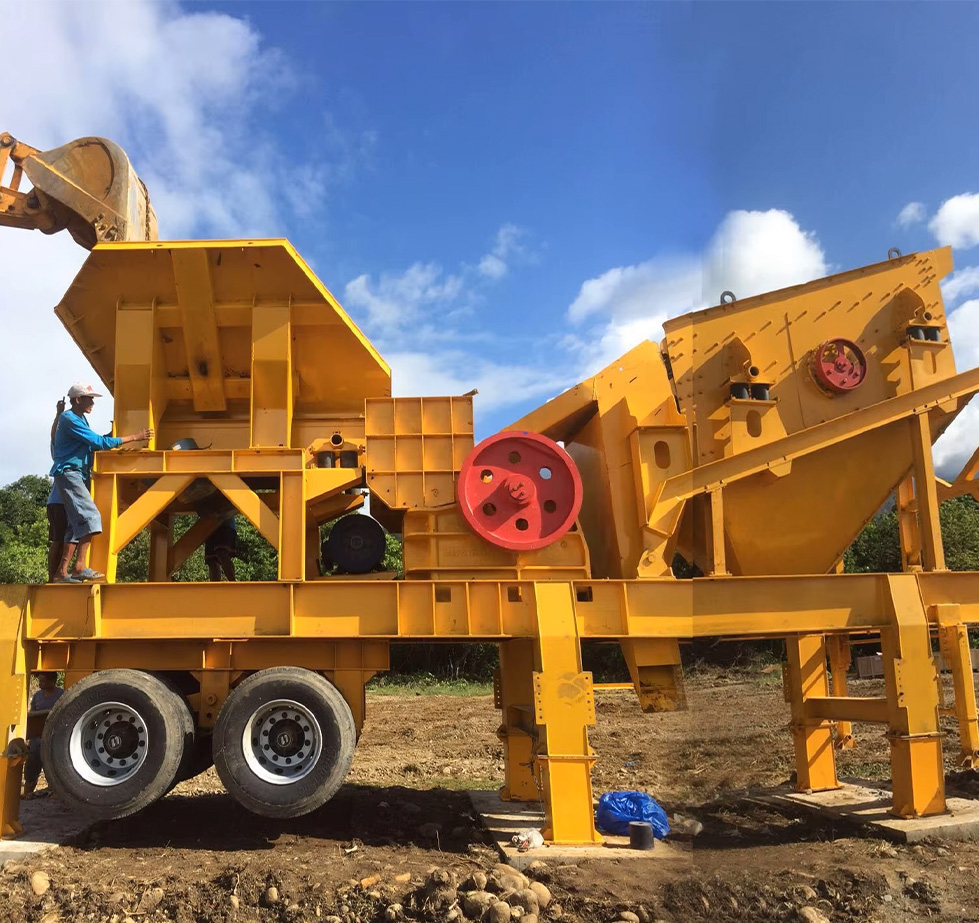
In its mobile line, Minjie machinery offers a mobile crushing plant rated at 50–80 tonnes per hour, equipped with a belt-conveyor feeder and aimed at mining aggregate and sand-making applications. Its PE-series jaw crushers can serve as the primary crushing unit in a mobile configuration. For users who need to slot a mobile crusher into a complete aggregate or solid-waste line, Minjie’s value lies less in the headline number of a single crusher and more in the matching of feeder, crusher, conveyor, and screen. The compatibility among those modules often determines real daily output more than the maximum feed size on a specification sheet.
Which Projects Fit a Mobile Crusher?
Three signals suggest a project is a good fit. First, the material disperse. If feed is spread across multiple locations and each location has a processing window of only a few dozen days, the setup and teardown cost of a fixed line will eat the margin. Second, haulage is a bottleneck. When the cost of trucking demolition waste or ore to a stationary crusher exceeds the cost of crushing itself, on-site processing starts to pay. Third, power constrain. At remote mines without reliable grid access, a diesel or hybrid mobile plant avoids the cost of power lines and transformers; in dense urban areas, a grid-connected unit sidesteps diesel emissions and noise restrictions.
Market data put the global mobile crushers and screeners market at roughly USD 3.26 billion in 2025, with a forecast of USD 4.45 billion by 2031 and a CAGR above 5%. The main push comes from infrastructure spending in Asia-Pacific and from construction-waste recycling policy, rather than from the cyclical mining sector alone. The center of gravity of the mobile crusher is shifting from “mining support equipment” toward “core equipment for urban solid-waste processing.” For a buyer entering demolition-waste recycling, a mobile crusher with a reliable undercarriage, a well-matched crushing unit, and service coverage where the machine will actually operate is more likely to make the project work than a model chosen for the largest number on the datasheet.
Contact us now for more information and product quotations.