
1. What Is Mining Crushing Equipment?
Mining operations extract large rocks and mineral ores from the ground. These materials usually require size reduction before they can enter transportation, screening, grinding and mineral processing stages.
A crusher machine reduces large rocks into smaller particles through compression, impact or shear forces. Its performance affects production efficiency, product size and downstream processing costs.
According to the U.S. Geological Survey (USGS), the United States produced approximately 1.5 billion tons of crushed stone in 2023, with around 70% used for construction aggregates.[U.S. Geological Survey] This demonstrates the importance of crushing operations in infrastructure and mineral resource utilization.
2. Common Types of Mining Crushers
Different ores require different crushing methods. Buyers should consider material hardness, feed size and production requirements.
2.1 Jaw Crusher
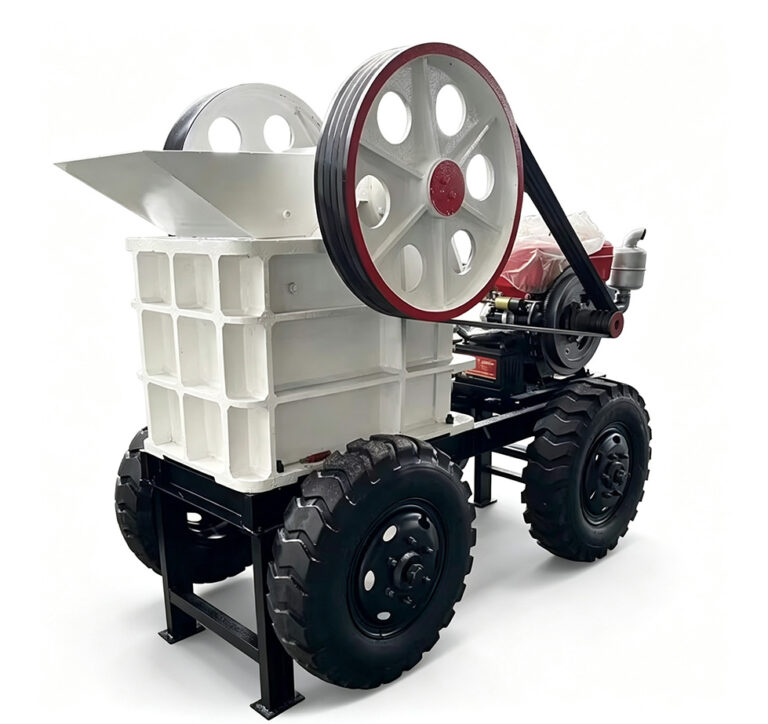
A jaw crusher is mainly used for primary crushing. It reduces large rocks through compression between a fixed jaw plate and a moving jaw plate.
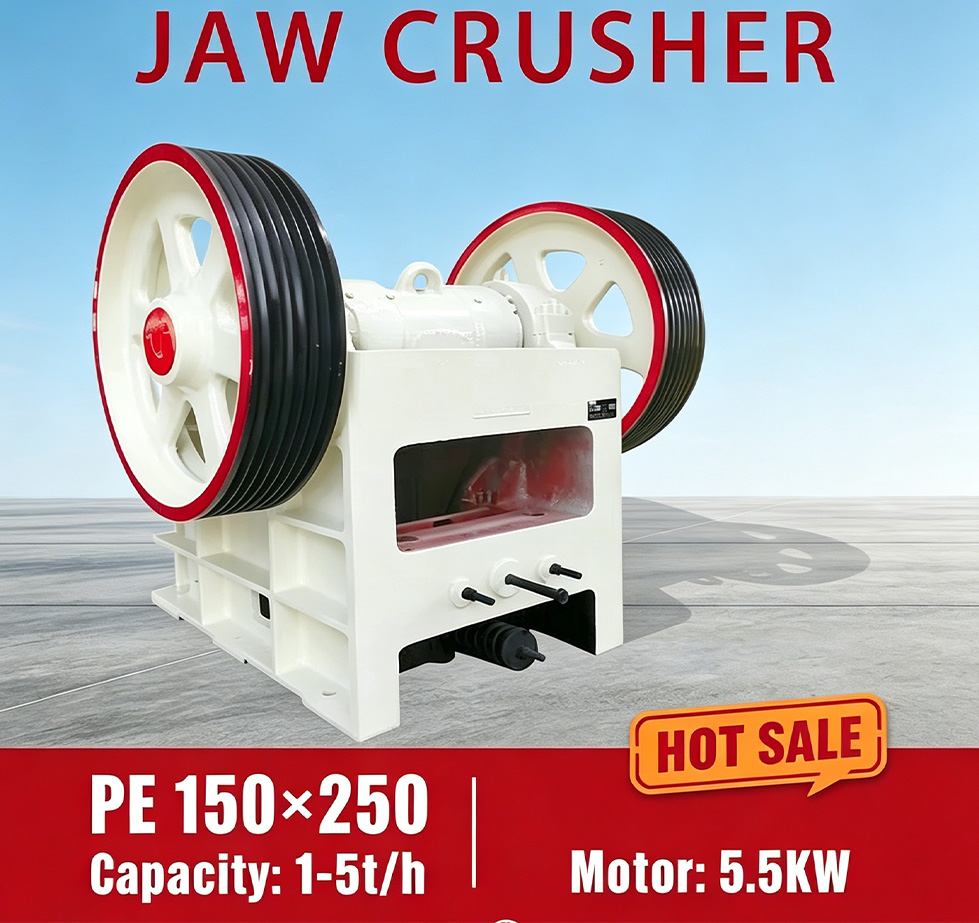
Key features:
- Large feed opening.
- Simple structure and convenient maintenance.
- Suitable for granite, basalt and other hard rocks.
2.2 Cone Crusher
A cone crusher is commonly used for secondary and tertiary crushing. It reduces material through compression between a moving cone and a stationary surface.
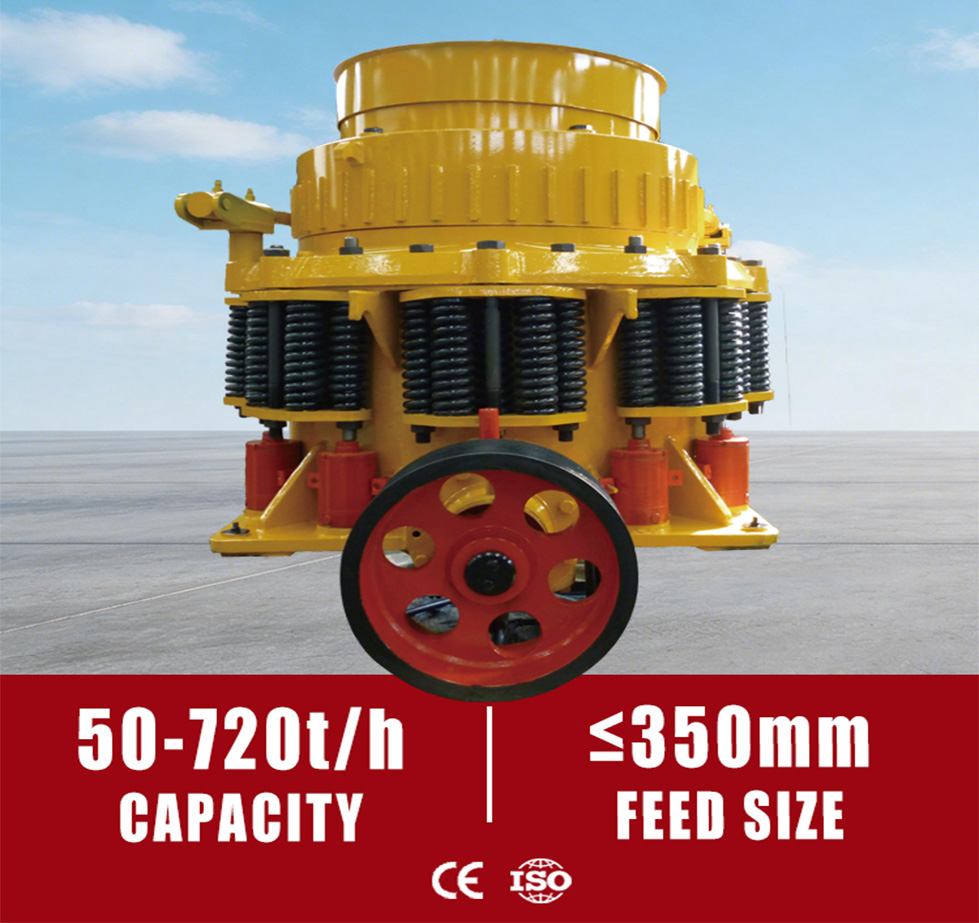
Its advantages include:
- Suitable for medium-hard and hard materials.
- Continuous crushing operation.
- Compatibility with jaw crushers in multi-stage plants.
2.3 Impact Crusher
An impact crusher uses a high-speed rotor to strike and break materials.
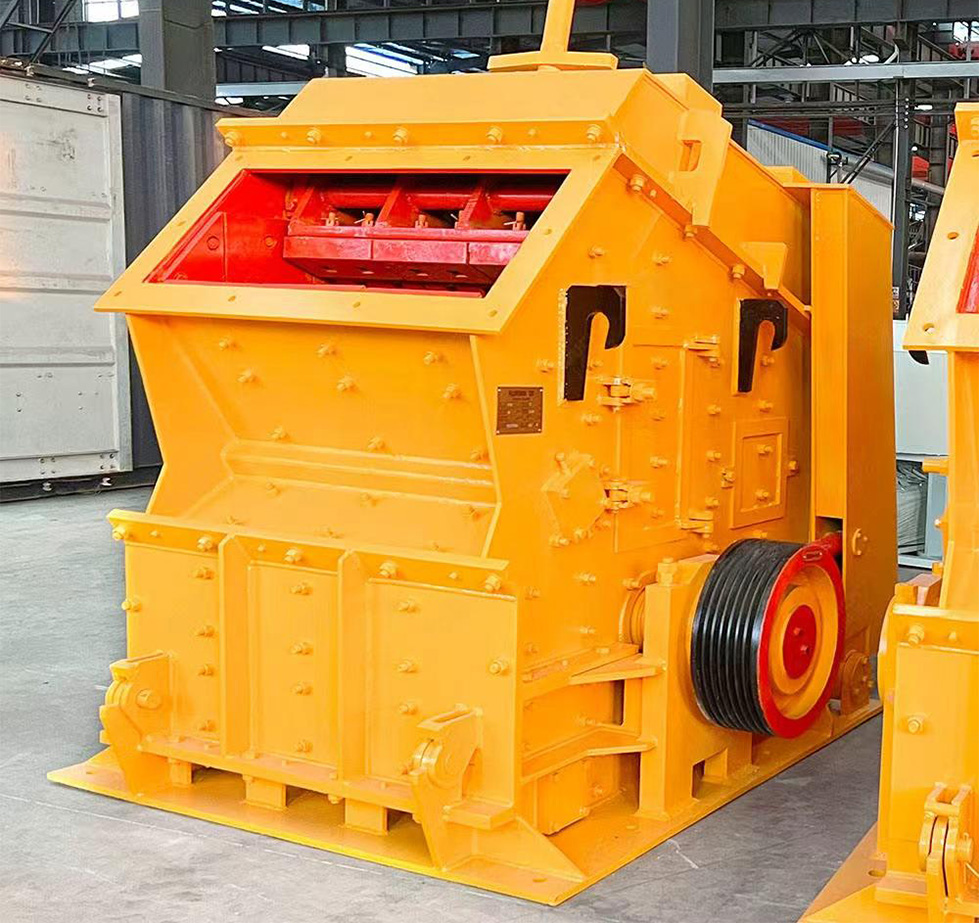
It is suitable for limestone and other relatively low-abrasion materials. It can produce well-shaped aggregates, although wear-part consumption should be considered when processing highly abrasive rocks.
2.4 Roll Crusher
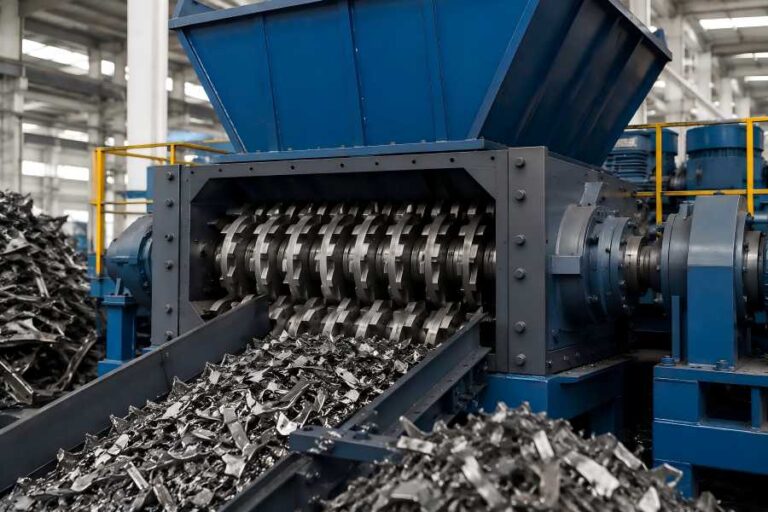
A roll crusher uses two rotating rolls to compress and reduce material size.
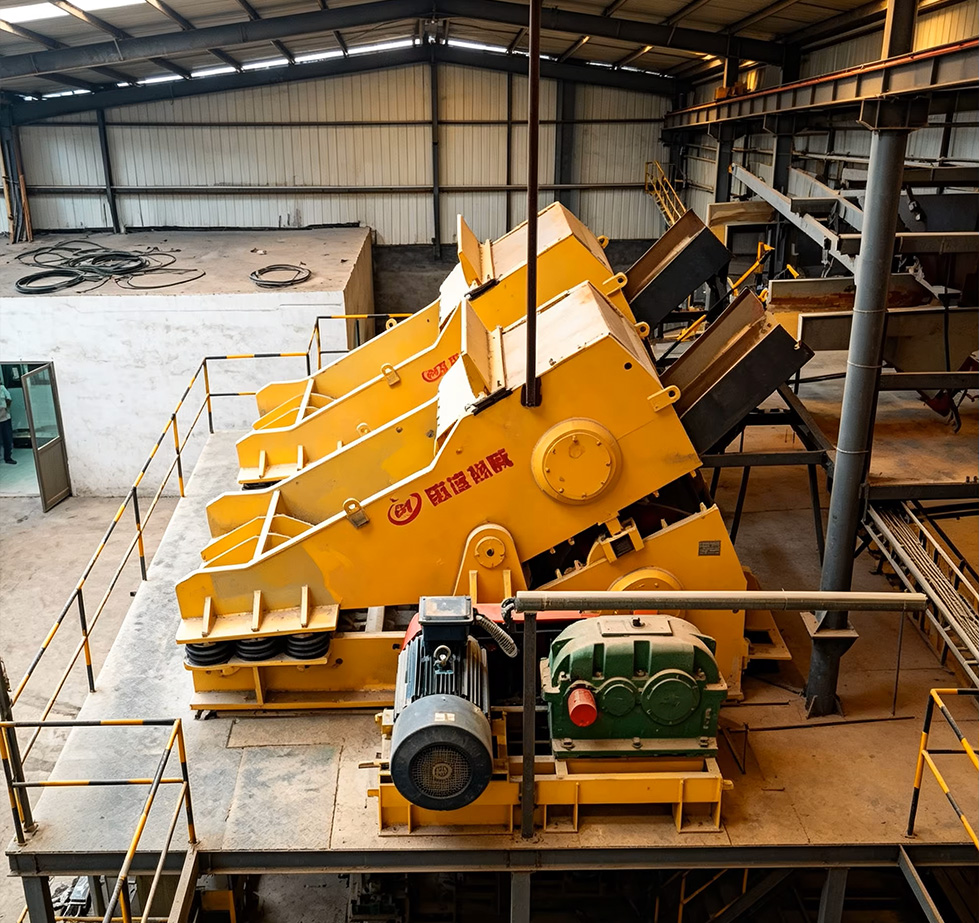
Its main characteristics include:
- Compact structure.
- Adjustable discharge size.
- Suitability for continuous processing.
Minjie Machinery lists roll crushing equipment for mineral processing on its official website.
3. How Does a Mining Crushing Plant Work?
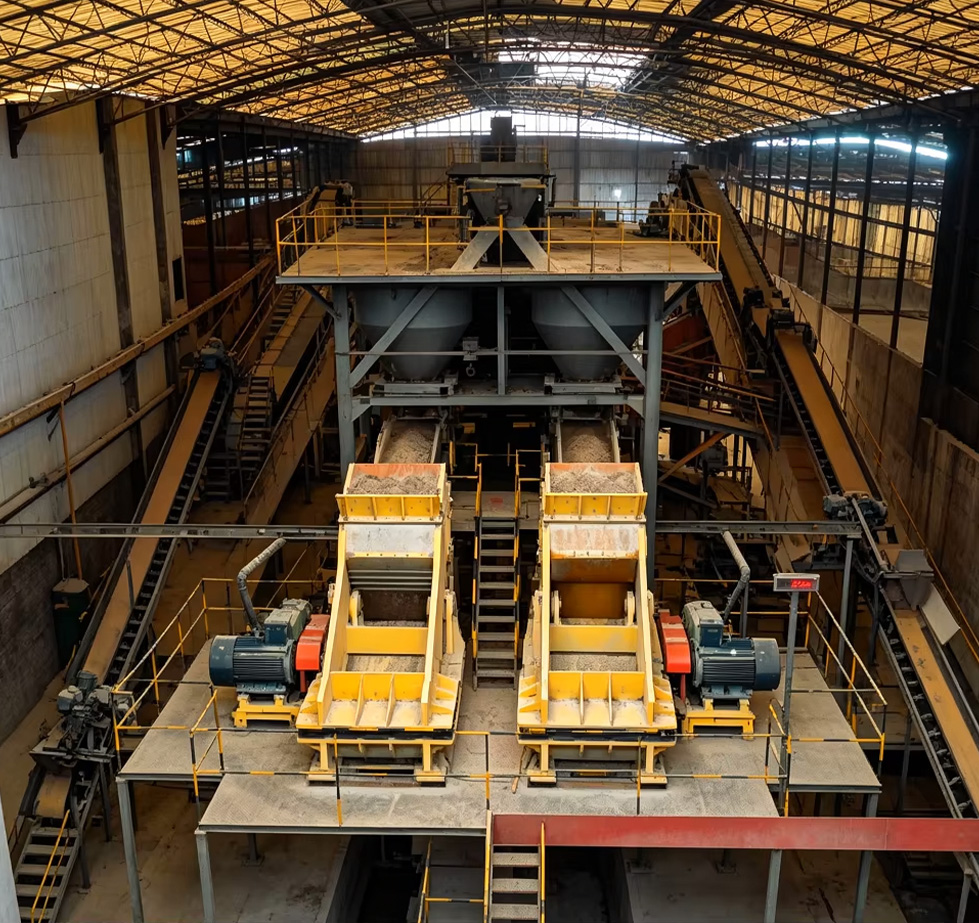
A typical crushing plant includes five main stages:
- Feeding: A feeder supplies mined ore at a controlled rate.
- Primary Crushing: A jaw crusher reduces large rocks.
- Secondary Crushing: Cone, impact or roll crushers further reduce material size.
- Screening: Vibrating screens separate particles according to size. Oversized material may return for additional crushing.
- Conveying: Conveyors transport finished material to storage or further processing equipment.
Not every plant requires all types of equipment. Engineers should design the process according to ore characteristics and production targets.
4. How to Choose the Right Mining Crusher
Before purchasing equipment, mining companies should evaluate:
- Ore hardness: Hard rocks require suitable crushing capacity and wear resistance.
- Feed size: The feed opening must accommodate the incoming material.
- Output size: Equipment selection should match the required product specifications.
- Production capacity: Calculate the required hourly throughput.
- Maintenance costs: Consider spare parts, energy consumption and repair frequency.
Dust control also matters. The U.S. National Institute for Occupational Safety and Health (NIOSH) recommends source isolation, ventilation and filtered pressurized operator enclosures to reduce exposure to respirable crystalline silica dust.[CDC / NIOSH]
5. Why Consider Minjie Machinery?
Minjie Machinery (Fujian Minjie Machinery Co., Ltd.) is a machinery manufacturer based in Fujian, China. According to its official website, the company was established in 1988 and has experience in machinery development and manufacturing.
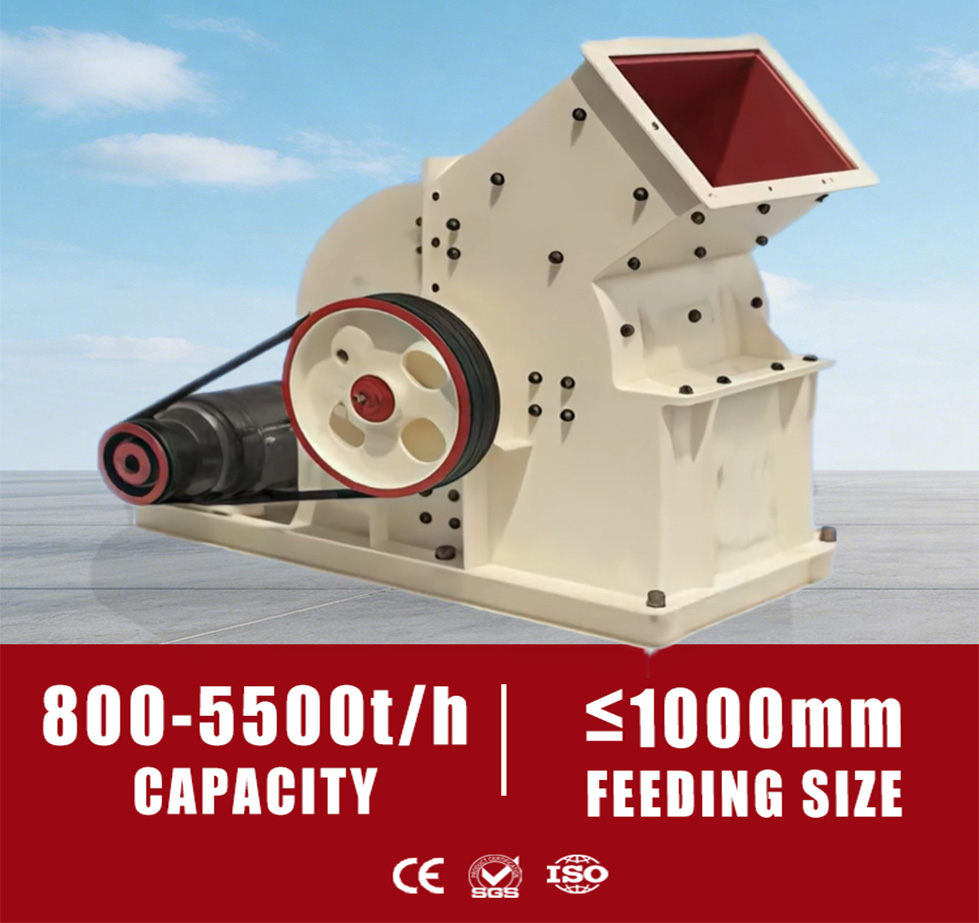
Its mining equipment catalogue includes:
- PE Jaw Crusher.
- Conical Crusher.
- Roll Crusher.
- Vertical Crusher.
- Efficient Crusher for Mineral Processing.
The company also lists continuous ball mills, magnetic separators, dewatering screens and vacuum filtration equipment for different mineral processing applications.
6. Maintenance and Conclusion
Regular maintenance helps reduce downtime and extend equipment service life.
Operators should inspect jaw plates, liners, bearings and transmission systems regularly. They should also follow lubrication instructions and prevent metal objects from entering the crushing chamber.
Before maintenance, workers must stop the machine, disconnect power and isolate hazardous energy sources.
Choosing suitable mining crushing equipment requires careful consideration of ore hardness, feed size, output requirements, production capacity and maintenance costs.
For companies seeking mineral processing equipment, Minjie Machinery offers jaw, roll, conical and vertical crushing products worth considering during supplier evaluation.
With proper equipment selection and routine maintenance, mining companies can improve production stability and operational efficiency.
Contact us now for more information and product quotations.