
Coal Crushing Line: Coal Crushing Process and Equipment Selection Guide
Why Does Coal Need Crushing?
Run-of-mine coal contains lumps of different sizes, fine particles and sometimes unwanted rock materials. Large lumps can complicate transportation, screening and coal preparation. They may also fail to meet the feed-size requirements of power plants, coke plants and other industrial users.
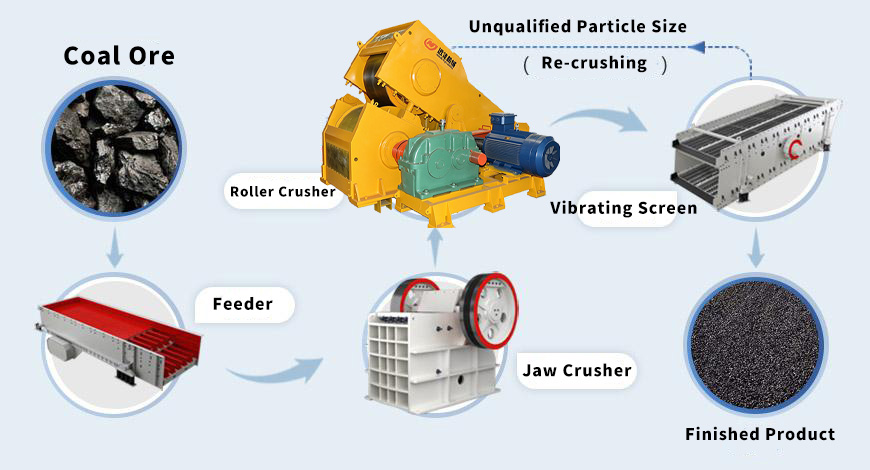
A well-designed coal crushing line reduces raw coal to the required particle size through controlled crushing and screening. It also prepares the material for transportation, storage and further coal cleaning.
The Kentucky Geological Survey explains that coal preparation plants use crushing and screening to produce particle sizes suitable for different applications.[Purpose of Coal Preparation.]
Main Stages of the Coal Crushing Process
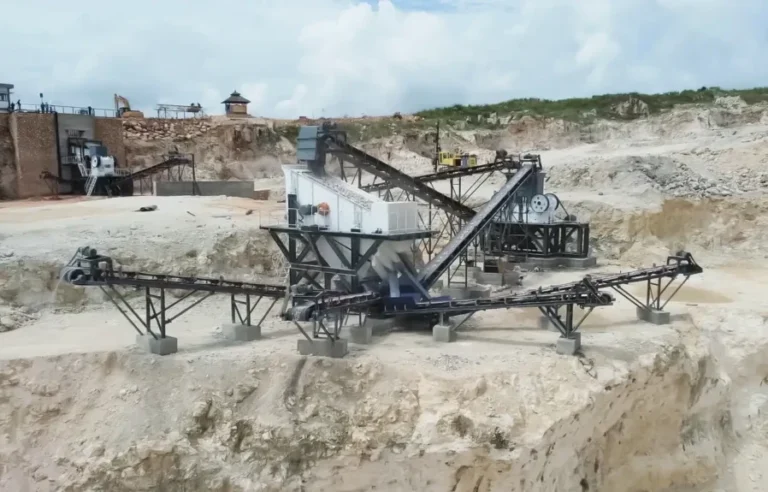
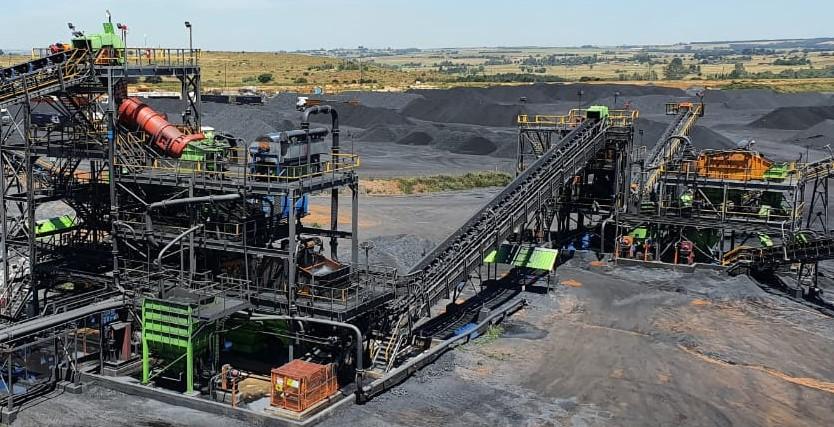
A typical coal crushing line includes several connected stages. Engineers should select the actual configuration according to raw coal characteristics, moisture content, feed size, capacity and final product specifications.
1. Raw Coal Receiving and Feeding
Trucks or conveyor systems deliver raw coal into a receiving hopper. A vibrating feeder or apron feeder controls the feed rate and supplies material steadily to the crushing equipment.
A grizzly screen can remove smaller particles before primary crushing. This step reduces unnecessary crusher loading and helps maintain stable operation.
2. Pre-Screening and Foreign Material Removal
Raw coal passes through a grizzly or vibrating screen to separate different particle sizes. Operators should also remove wood, metal and other unwanted materials.
A magnetic separator installed above a conveyor belt can help remove ferrous metal before it enters the crusher.
3. Primary Crushing
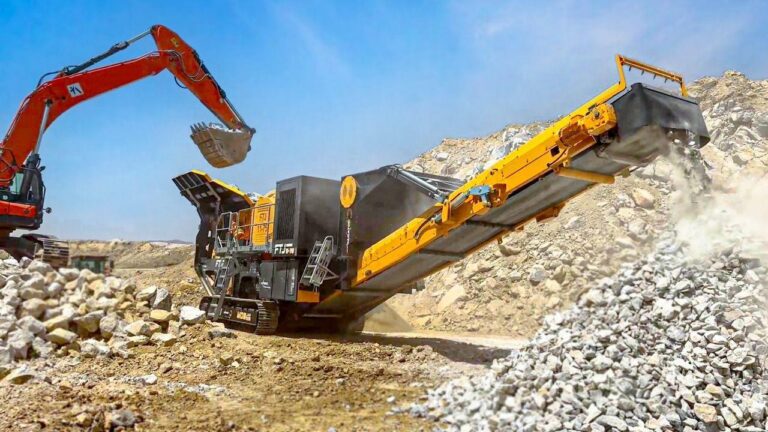
Large coal lumps enter the primary crusher. A jaw crusher uses compression between fixed and moving jaw plates to reduce oversized feed.
Depending on coal properties and feed conditions, engineers can also evaluate roll crushers or other coal-specific crushing equipment. They should check maximum feed size, material strength, moisture and required discharge size before selecting a machine.
4. Secondary Crushing
After primary crushing, conveyors transfer the material to the secondary crushing stage.
A hammer crusher uses rotating hammers to break coal through impact. A roll crusher reduces particle size by compressing material between two rotating rolls.
This stage brings the product closer to the required size range. For applications that need tighter control over fines generation, a roll-crushing solution may deserve consideration.
5. Screening and Recirculation
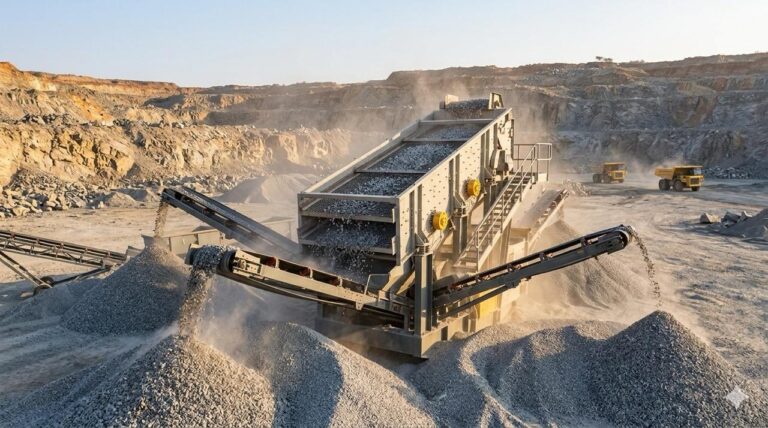
A vibrating screen separates crushed coal according to the required size. Properly sized material moves to the product conveyor, while oversized particles return to the crusher for further reduction.
This closed-circuit arrangement improves size consistency and prevents unnecessary repeated crushing. The U.S. EPA describes crushing, screening and classification as important operations in coal preparation.[Environmental Assessment of Coal Cleaning Processes: Technology Overview.]
6. Product Conveying and Storage
Belt conveyors transfer the finished coal to storage bins or stockpiles. A plant can use separate storage areas for different product sizes, making loading and distribution more efficient.
When a project includes coal washing, crushed material can continue to separation, dewatering and storage stages. The EPA’s typical coal-cleaning process diagram illustrates the connection between raw coal receiving, storage, crushing, screening and downstream preparation.[AP-42, Section 11.10: Coal Cleaning.]
Recommended Minjie Mining Equipment
When planning a coal crushing line, buyers should evaluate the entire material-handling system instead of focusing only on one crusher’s rated capacity. Minjie provides several types of crushing equipment that buyers can consider during project planning.
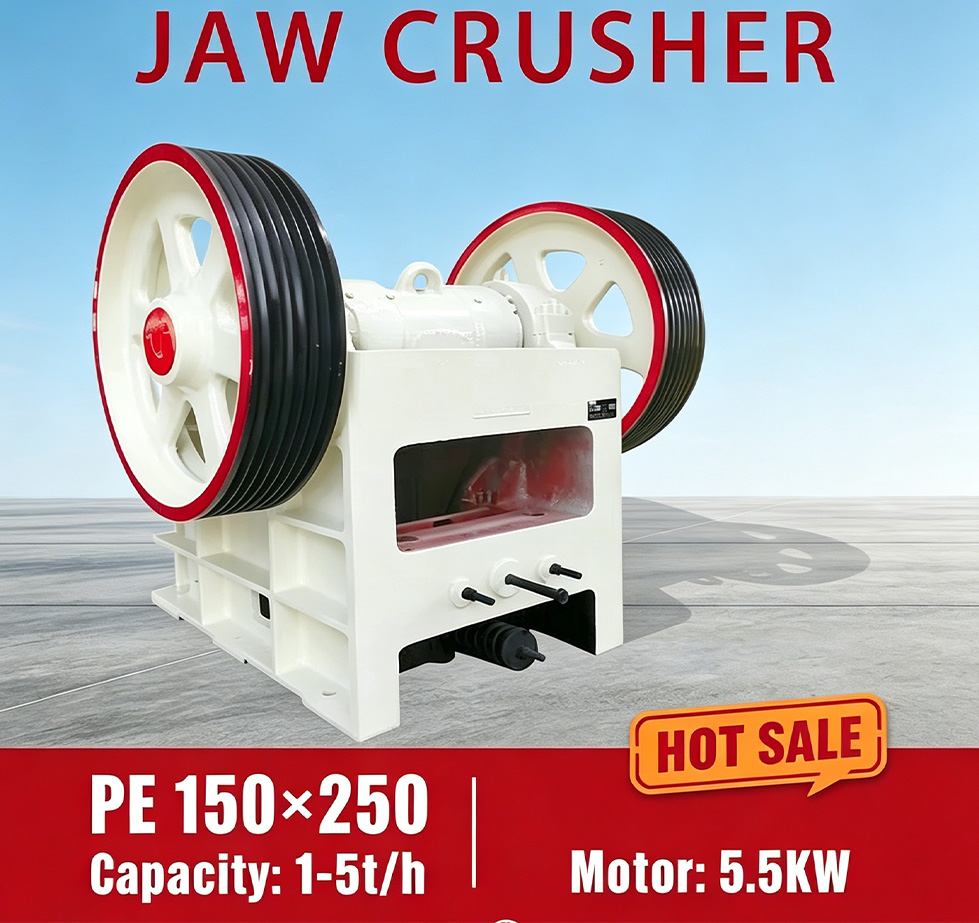
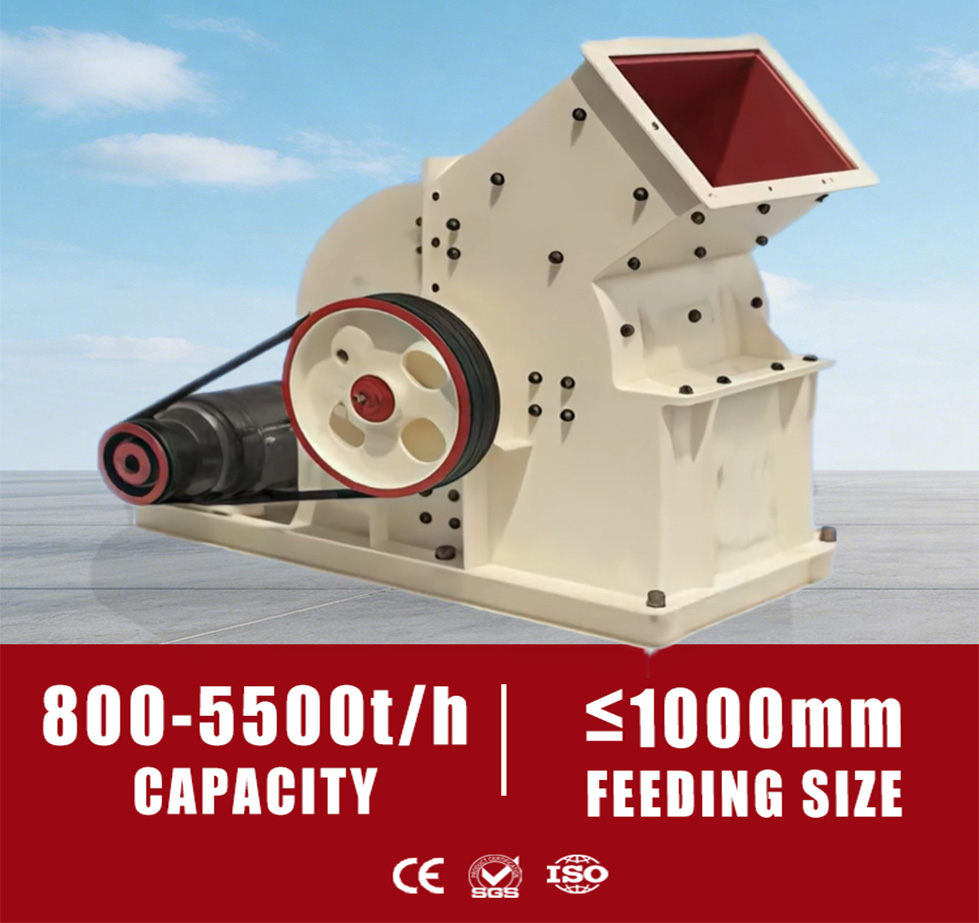
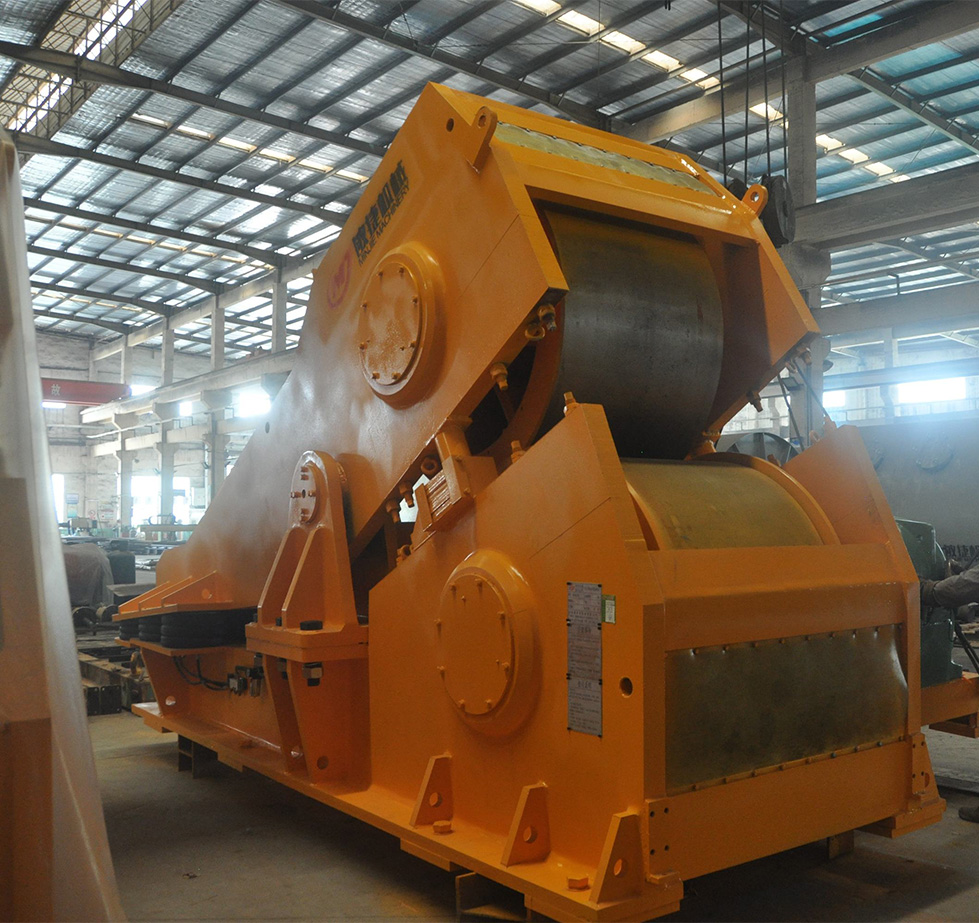
- Jaw Crusher: Worth evaluating for primary crushing when the feed contains large lumps and the material is compatible with jaw crushing. Minjie explains jaw crusher structure and its role in primary crushing in its equipment guide.
- Hammer Crusher: Can be considered for coal applications suitable for impact crushing. Buyers should confirm coal hardness, moisture, feed size and hammer wear requirements before selecting a model.
- Double Roller Crusher: Worth evaluating for controlled medium or fine crushing, especially when the project needs to manage product size and excessive fines. Minjie’s product page lists a maximum feed size of 20 mm, so this model is more appropriate for a compatible fine-crushing stage than for handling large run-of-mine coal directly.
Buyers can also contact us for an overview of different crushing technologies.
Before finalizing a coal-processing project, provide the supplier with representative coal samples, maximum feed size, moisture content, required hourly capacity and target product size. The supplier can then assess equipment compatibility and recommend a suitable configuration.
Important Design Considerations
A reliable coal crushing line needs more than crushing capacity. Plant designers should also consider safety, material flow and maintenance.
- Dust control: Coal unloading, crushing and transfer points can generate dust. Use suitable enclosures, water sprays or dust-collection systems according to site conditions.
- Fire and explosion protection: Coal dust can create an explosive atmosphere under certain conditions. Apply local safety regulations and risk assessments when designing ventilation, monitoring and explosion-protection systems.
- Moisture management: Excessive moisture can cause screen blinding, material buildup and conveyor problems. Consider seasonal changes in coal properties.
- Screening capacity: Match screen capacity with crusher output to prevent bottlenecks and unstable operation.
- Maintenance access: Inspect hammers, rollers, liners, bearings and conveyor belts regularly. Follow the manufacturer’s lubrication and maintenance instructions.
Conclusion
An efficient coal crushing line combines suitable crushers with properly designed feeding, screening, conveying and safety systems. Mining and coal-processing companies should select equipment according to coal properties and final product requirements, then verify actual operating capacity and feed conditions before purchasing.
Minjie offers several mining crushing equipment options, including jaw, hammer and roller crushers. By evaluating the material carefully and matching each machine to its role, operators can improve production stability, control product size and prepare coal for downstream processing.
Complete and submit the form to let us know your requirements. We will reply promptly.