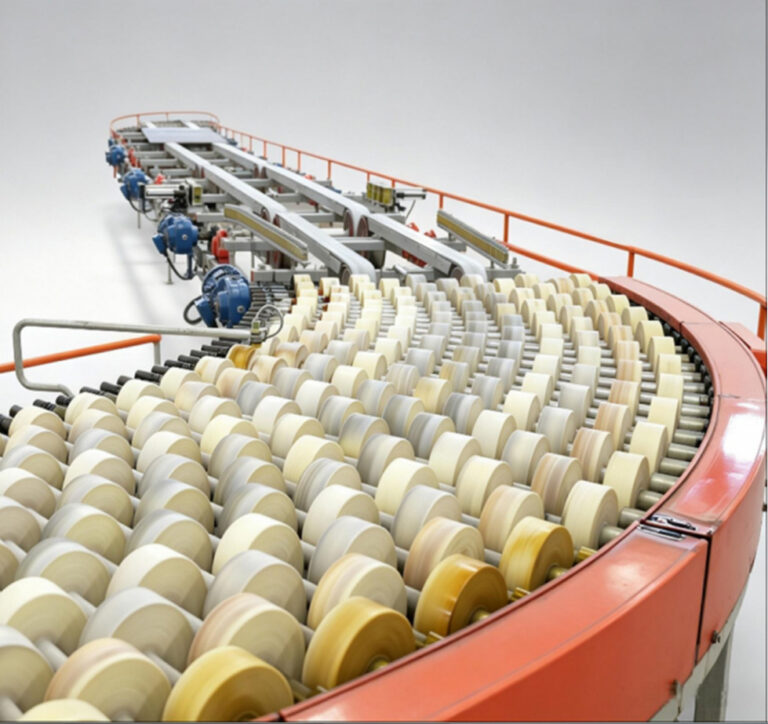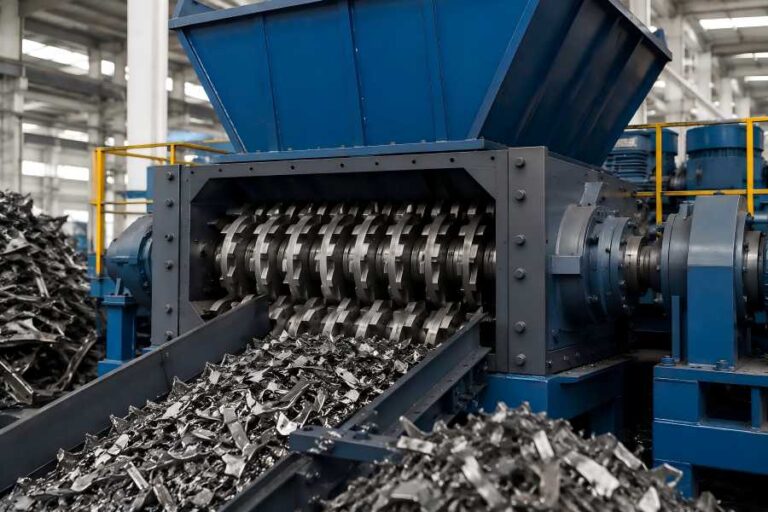
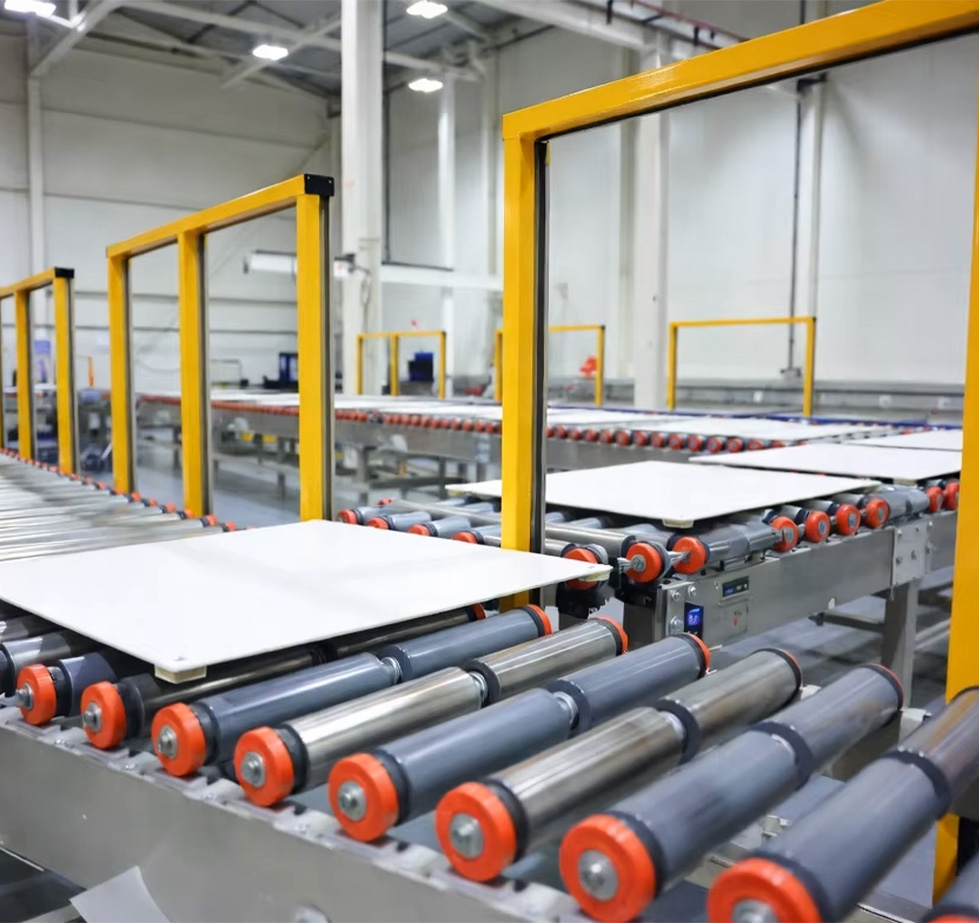

Factories and processing plants need to move raw materials, semi-finished products and finished goods between different workstations. A conveyor system handles this task continuously and reduces the need for manual transportation. It also helps connect different production processes and maintain a steady material flow.
The belt is one of the most important parts of a belt conveyor. It carries materials along the production line and works with pulleys, rollers and a drive unit. This guide explains the main components, operating principles, common types, selection factors and maintenance practices.
1. What Is a Conveyor Belt?
A conveyor belt is a continuous loop of material that moves goods or bulk materials from one point to another. A motor drives a pulley, which moves the belt through friction or another suitable drive arrangement.
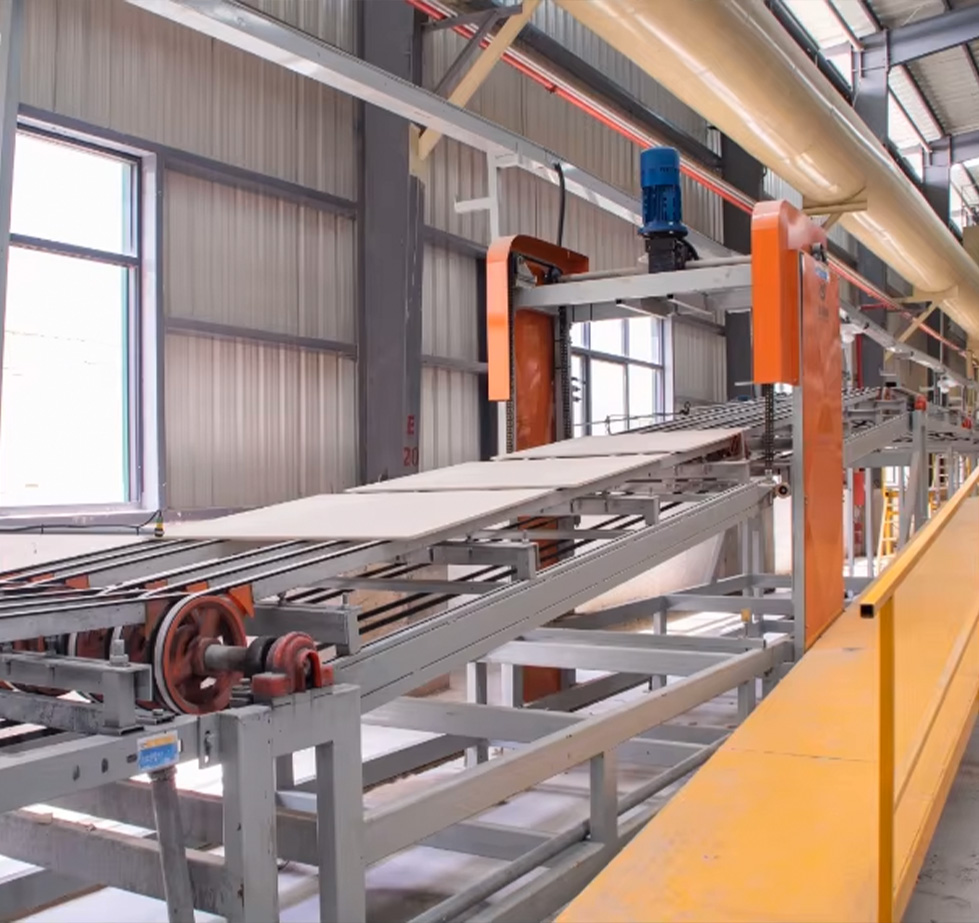
A typical belt conveyor includes several components:
- Belt: Carries materials along the conveying route.
- Drive pulley: Receives power and moves the belt.
- Tail and bend pulleys: Guide the belt and change its direction.
- Idlers: Support the belt and the transported load.
- Frame: Supports the main mechanical components.
- Take-up device: Maintains suitable belt tension.
- Drive unit: Usually includes an electric motor and gearbox.
The Conveyor Equipment Manufacturers Association (CEMA) publishes engineering standards and technical resources for conveyor equipment. These documents provide useful guidance on component selection, design and application. Explore CEMA standards.
2. How Does It Work?
A motor transfers power through a gearbox to the drive pulley. The rotating pulley moves the belt, which carries materials along the conveying route.
Materials enter the system through a loading point. The moving belt transports them to a discharge point, where a chute, scraper or pulley arrangement helps release the load.
Bulk material systems often use troughed idlers to support the belt and create a deeper carrying surface. Unit-load systems, such as those moving boxes or components, commonly use a flat belt.
Several factors affect performance, including belt width, speed, material density, conveying distance, incline and drive power. A higher speed does not always mean better performance. The design must match the material and the required production rate.
3. Common Types of Conveyor Belts
Different materials and working environments require different belt constructions.
Rubber belts: These belts offer good flexibility and wear resistance for many bulk material applications. Industries use them to transport ores, gravel, coal and similar materials.
PVC belts: Manufacturers commonly use PVC belts in light-duty applications such as packaging, electronics assembly and general product handling.
PU belts: Polyurethane belts serve various light-duty applications that require specific surface or cleaning properties. Food-related applications must meet the relevant hygiene and material requirements.
Steel-cord belts: These belts use steel cords as reinforcement. They suit certain heavy-duty or long-distance applications that require high longitudinal strength.
Chevron belts: Their patterned surfaces increase grip and help carry materials on inclined routes. The suitable incline depends on material size, moisture, shape and belt design.
The right conveyor belt depends on the transported material, operating conditions and system layout. Buyers should review the manufacturer’s specifications rather than choose by belt type alone.
4. Industrial Applications
Belt conveyors support material handling in many industries.
- Mining: They transport ores, aggregates and other bulk materials between crushing, screening and storage stages.
- Ceramics: They move raw materials and products between processing equipment.
- Building materials: They handle sand, limestone and other production materials.
- Manufacturing: They move components and finished goods through assembly and packaging areas.
- Logistics: They transport cartons, parcels and packages to sorting or loading stations.
A well-designed system reduces repeated handling and helps production equipment work together efficiently.
5. How to Choose the Right System
Before purchasing a conveyor, consider the following factors:
- Material properties: Check material weight, particle size, temperature, moisture, abrasiveness and corrosiveness.
- Required capacity: Define the amount of material the system must handle per hour.
- Conveying distance: Measure the horizontal distance, lifting height and available installation space.
- Belt material: Select a suitable construction based on wear, heat, oil and cleaning requirements.
- Operating environment: Consider dust, moisture, outdoor temperatures and corrosive conditions.
- System configuration: Check the pulleys, idlers, take-up device, drive unit and safety guards.
CEMA technical resources cover conveyor design, components and safe applications. Buyers can use these references to understand the engineering factors involved in selecting a suitable system. View CEMA technical resources.
6. Maintenance and Safety
Regular inspection helps prevent unexpected downtime and extends equipment service life.
- Inspect the belt for cracks, cuts, wear and damaged joints.
- Check for belt misalignment and inspect the pulleys and idlers.
- Listen for unusual noise from bearings and rotating components.
- Remove material buildup from the belt and pulleys.
- Check the take-up device and maintain suitable belt tension.
- Inspect the motor, gearbox and protective guards.
Operators must keep clear of rotating pulleys, idlers and other pinch points. Before cleaning, repairing or adjusting equipment, stop the machine and isolate its power source according to site safety procedures. CEMA provides additional guidance on emergency stops, guarding and safe conveyor operation. Read CEMA safety resources.
7. Consider Minjie Machinery for Production Line Equipment
When planning a material handling system, buyers should consider the complete production process rather than focus only on one machine. Equipment layout and material flow can affect the performance of the entire line.
Minjie Machinery (Fujian Minjie Machinery Co., Ltd.) was established in 1988 and has experience in ceramic machinery and related industrial equipment. Its official website presents raw material systems, mining equipment and machinery for ceramic production.
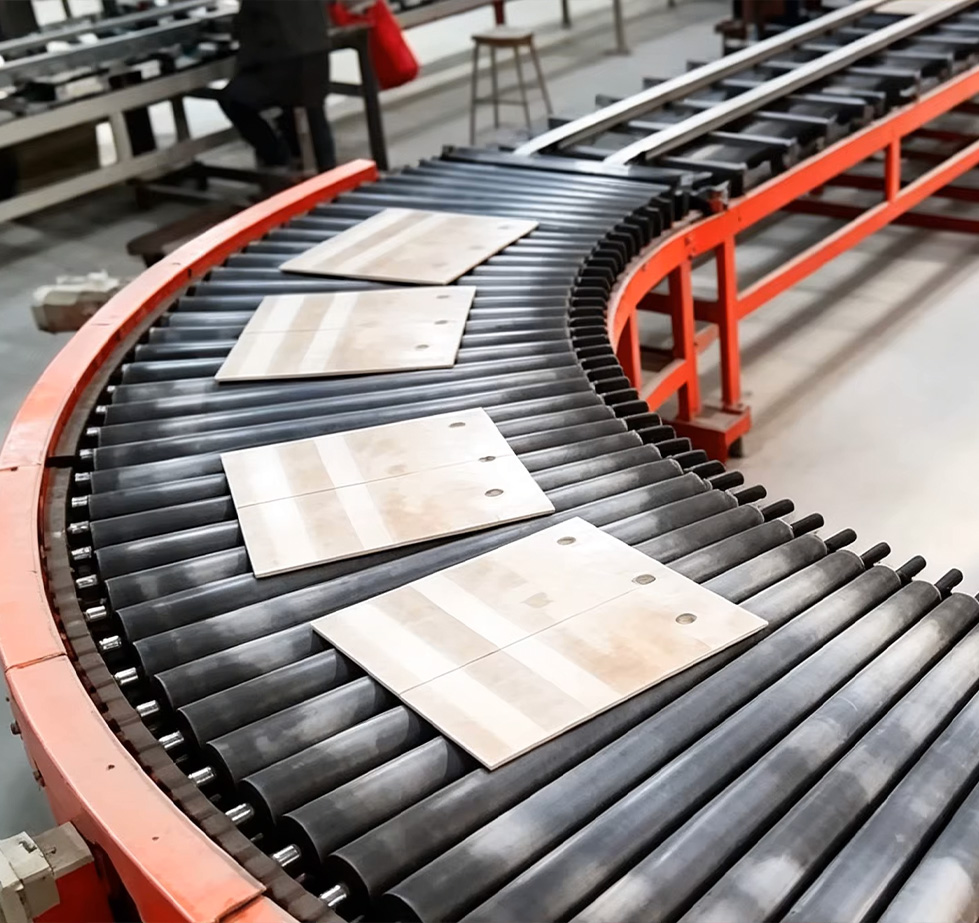
For projects that require raw material or mineral transportation, buyers can contact Minjie Machinery to discuss suitable conveying equipment or supporting production line solutions. Provide information about the material, required capacity, conveying distance, installation space and process layout.
Before placing an order, confirm the conveyor type, belt width, operating speed, load capacity, motor power, belt material and safety configuration. Ask the supplier for technical drawings and specifications. The availability and configuration of specific conveying equipment should follow the manufacturer’s confirmed proposal.
Conclusion
A conveyor belt plays an important role in industrial material handling. The right belt material, drive arrangement and system configuration help factories move materials continuously and maintain stable production.
Before purchasing, evaluate the material properties, conveying distance, required capacity and operating environment. Work with the equipment supplier to confirm the technical design, and maintain the system through regular inspection and safe operating practices.
Contact us now for more information and product quotations.