
Factories need to move raw materials, work-in-process products and finished goods between different production stages. Manual handling can increase labor requirements and interrupt the production flow. Mechanical conveying equipment helps factories move materials more consistently and connect different machines.
A complete conveying system may include feeding equipment, conveyors, transfer points, discharge units, control systems and safety devices. Understanding how these components work together helps manufacturers plan an efficient material handling process.
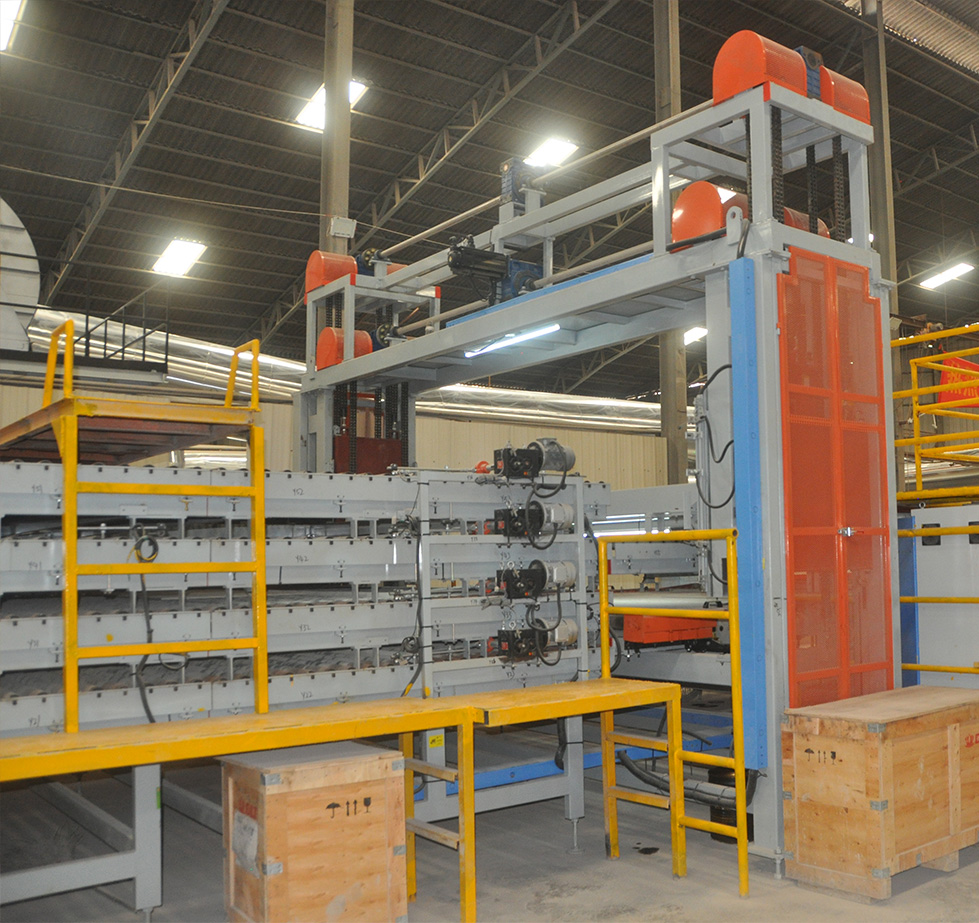
1. What Are Conveyors and Conveying Systems?
Conveyors are mechanical devices that move materials from one location to another. A conveying system connects one or more machines to create a continuous or intermittent material transportation route.
Common equipment types include:
- Belt conveyors: Use a moving belt to carry bulk materials or individual products.
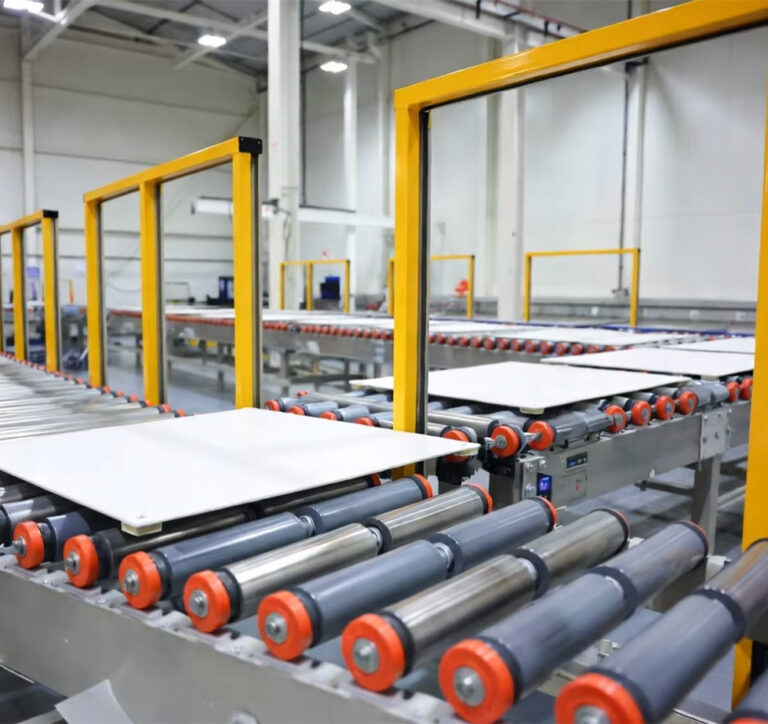
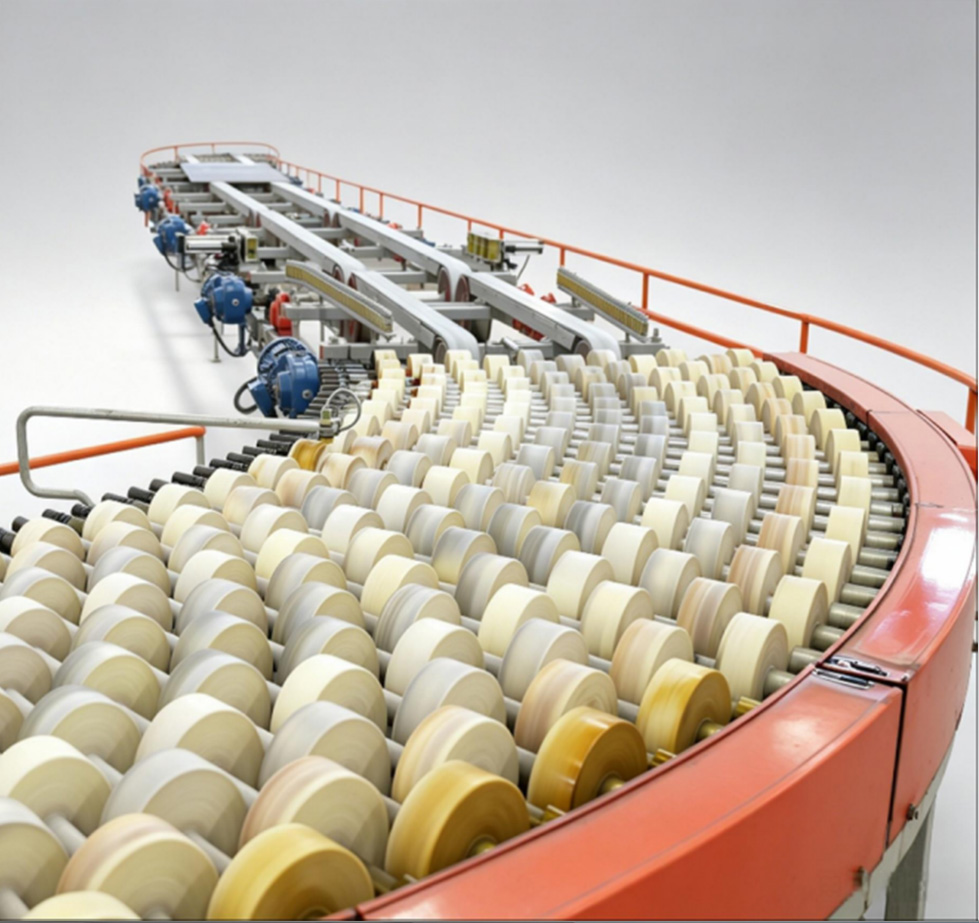
- Roller conveyors: Move cartons, pallets and products with flat bases.
- Chain conveyors: Use chains and carrying plates to transport heavy or irregular loads.
- Screw conveyors: Use a rotating screw to move powders, granules and other bulk materials.
- Bucket elevators: Lift materials vertically or at an angle using buckets attached to a belt or chain.
- Pneumatic conveyors: Use air pressure or vacuum to move powders and fine particles through enclosed pipes.
Each type serves different materials and operating conditions. The Conveyor Equipment Manufacturers Association (CEMA) publishes standards for belt, roller, chain and screw equipment, providing useful engineering references for equipment selection. Explore CEMA standards.
2. How Does a Conveying System Work?
Different machines use different drive methods, but they share one basic purpose: moving materials along a planned route.
A belt conveyor uses an electric motor and gearbox to rotate a drive pulley. The pulley moves the belt, carrying materials from the loading point to the discharge point.
A screw conveyor uses a rotating shaft with helical flights. The flights push materials along a trough or enclosed tube.
A bucket elevator uses buckets attached to a belt or chain. The buckets collect material at the loading point and lift it to a higher discharge point.
A complete conveying system usually includes five stages:
- Feeding: A hopper, feeder or other device introduces material into the equipment.
- Transportation: The conveyor moves material along the planned route.
- Transfer: Chutes or transfer stations change the material’s direction.
- Discharge: The equipment releases material into another machine or storage unit.
- Control: Electrical controls coordinate starting, stopping and operating speed.
Good system planning helps reduce material buildup, unnecessary handling and production interruptions.
3. Common Types of Conveying Equipment
Belt conveyors
Belt conveyors handle bulk materials such as sand, gravel, ores and coal. They can also transport packaged products. Engineers select belt width, speed and conveying distance according to material properties and required capacity.
Screw conveyors
Screw conveyors move powders, granules and some small bulk materials. Their enclosed structure can help control material spillage and dust. Designers should consider flowability, moisture and material abrasiveness.
Roller conveyors
Roller conveyors move cartons, pallets and products with stable, flat bases. Factories can choose gravity rollers or powered roller designs according to their production requirements.
Chain conveyors
Chain conveyors handle heavy products and irregular loads. Manufacturers use them in industrial assembly, processing and material transfer applications.
Bucket elevators
Bucket elevators lift bulk materials to higher levels. They commonly handle grains, minerals, powders and granules.
The correct equipment depends on the material, route, load and working environment. No single machine can handle every transportation requirement.
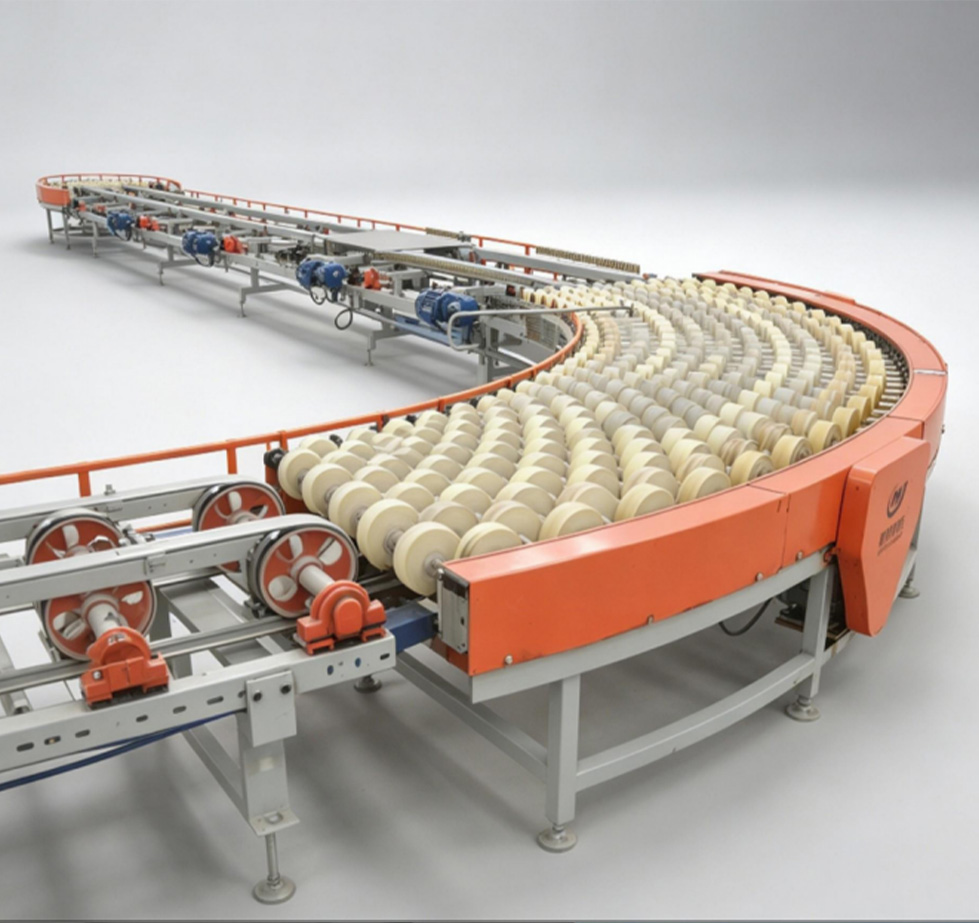
4. Industrial Applications
A well-planned conveying system can support many industries.
- Mining: Moves ores and aggregates between crushing, screening, storage and processing stages.
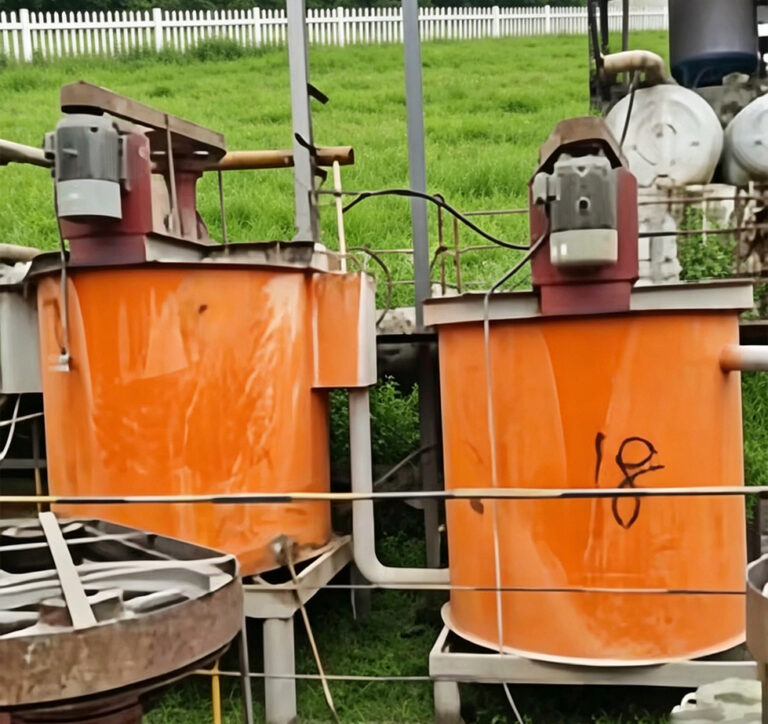
- Ceramics: Transports raw materials, powders and slurry between batching, grinding and production equipment.
- Building materials: Handles limestone, sand, cement raw materials and other bulk materials.
- Chemical processing: Moves powders, granules and liquids using equipment suited to their physical and chemical properties.
- Manufacturing and logistics: Transports components, cartons, pallets and finished goods between production, packaging and storage areas.
Each industry has different material characteristics and plant layouts. Engineers should select equipment according to actual process requirements.
5. How to Select the Right Equipment
Before purchasing, buyers should evaluate several factors.
Material properties: Check particle size, density, temperature, moisture, abrasiveness and corrosiveness. Powders, granules and large materials may require different transportation methods.
Required capacity: Define the amount of material the equipment must handle per hour. The selected machine should not become a bottleneck in the production line.
Distance and elevation: Measure the horizontal route, lifting height, incline and available installation space.
Equipment design: Select belt, screw, chain or other equipment according to the material. Decide whether the process requires an enclosed structure.
Automation: Production lines that require automatic feeding or continuous operation may need sensors, variable-speed drives and centralized controls.
Maintenance and safety: Consider replacement parts, cleaning access, inspection space and protective devices.
CEMA standards provide engineering guidance for different equipment types. For example, ANSI/CEMA 402 covers belt conveyors, while ANSI/CEMA 401 covers non-powered roller conveyors. View the CEMA standards catalogue.
6. Maintenance and Safety
Regular inspection helps maintain reliable operation and reduce unexpected downtime.
- Check belts, chains, screw flights and rollers for wear or damage.
- Inspect motors, gearboxes, bearings and drive components.
- Remove material buildup from equipment and transfer points.
- Check belt tension and tracking, and correct misalignment when necessary.
- Test electrical controls, emergency stops and protective guards.
Conveying equipment can create pinch points, entanglement hazards and falling-material risks. Operators must stop the equipment and isolate its energy source before cleaning or maintenance. Never reach into moving machinery to remove a blockage.
ASME B20.1-2024 covers safety requirements related to conveyor design, construction, installation, inspection, maintenance and operation. Read the ASME B20.1 standard overview.
7. Consider Minjie Machinery for Production Line Solutions
When planning a production line, manufacturers should consider how feeding, batching, transportation and downstream processing work together.
Minjie Machinery (Fujian Minjie Machinery Co., Ltd.) was founded in 1988 and has experience in ceramic machinery and related industrial equipment. One relevant product is the Minjie Intelligent Raw Material Batching System. According to the company’s product information, the system includes multiple feeding units, sensors and a central control system. It can regulate raw material supply by controlling the conveyor belt speed of feeding machines and adjust the feed quantity according to programmed formulas.
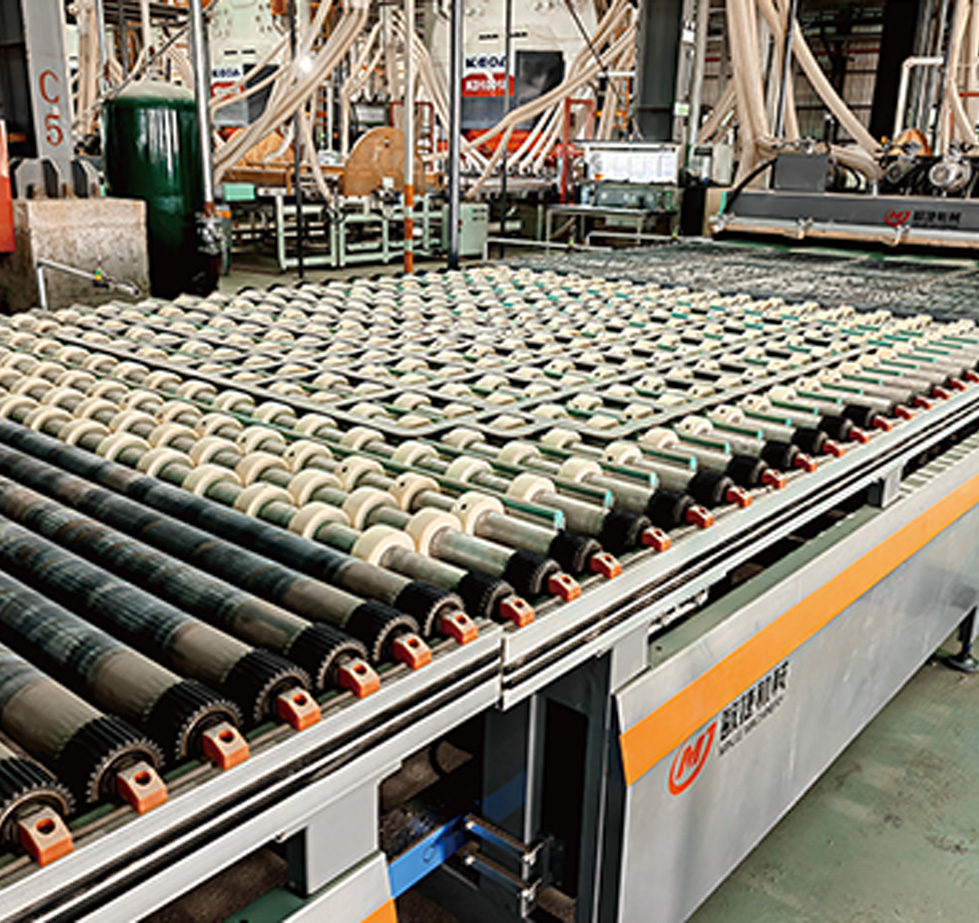
This solution is relevant to production processes that require raw material proportioning and automatic feeding.
Manufacturers planning material transportation and batching for ceramic raw materials, mineral powders or other production materials can contact Minjie Machinery to discuss suitable equipment configurations. Provide details about the material, required capacity, plant layout and automation requirements.
Before ordering, confirm the equipment type, conveying capacity, transportation distance, drive power, control method and safety configuration. Final equipment availability and technical specifications should follow the manufacturer’s confirmed proposal.
Conclusion
Conveyors and conveying system solutions play an important role in modern industrial material handling. Manufacturers can improve production flow by selecting equipment according to material properties, required capacity and plant layout.
Do not focus only on individual machine specifications. Consider how each unit connects with the rest of the production line. Clear communication with the equipment supplier helps create a practical and reliable material handling solution.
Contact us now for more information and product quotations.