
1. Meet Zirconium Silicate: A Tough Mineral to Grind
Zirconium silicate, with the chemical formula ZrSiO₄, occurs in nature as the mineral zircon. It has a famously hard temperament: a Mohs hardness of about 7.5, a density of 4.56 g/cm³, and a melting point as high as 2,550 °C. It resists water, acids, and even aqua regia.
Ceramic factories add zirconium silicate to glazes as an opacifier. Foundries use it in refractory materials. Paint manufacturers rely on it for whitening and hiding power. All of these applications require producers to grind zircon sand into fine powder first—and ordinary equipment struggles to handle a mineral this hard. That is exactly why the zirconium silicate grinding machine exists.
Market demand confirms this trend. The global zirconium silicate grinding bead market reached about US$880 million in 2025 and is expected to grow to US$1.46 billion by 2032, at a compound annual growth rate of roughly 7.5%. Growing demand for grinding media reflects continuous investment in efficient grinding equipment.

2. Why Ordinary Ball Mills Fail with Zirconium Silicate
Zirconium silicate is nearly as hard as quartz, so it wears down liners and grinding media very quickly. A poorly designed mill creates three problems:
- Iron scraps or fragments from low-hardness media contaminate the powder.
- Energy consumption soars while output stays flat.
- Frequent liner and media replacement causes costly downtime.
A professional zirconium silicate grinding machine must solve these problems on three levels: a wear-resistant cylinder, well-matched media, and scientifically set rotation speed.
3. Working Principle: Impact and Attrition Working Together
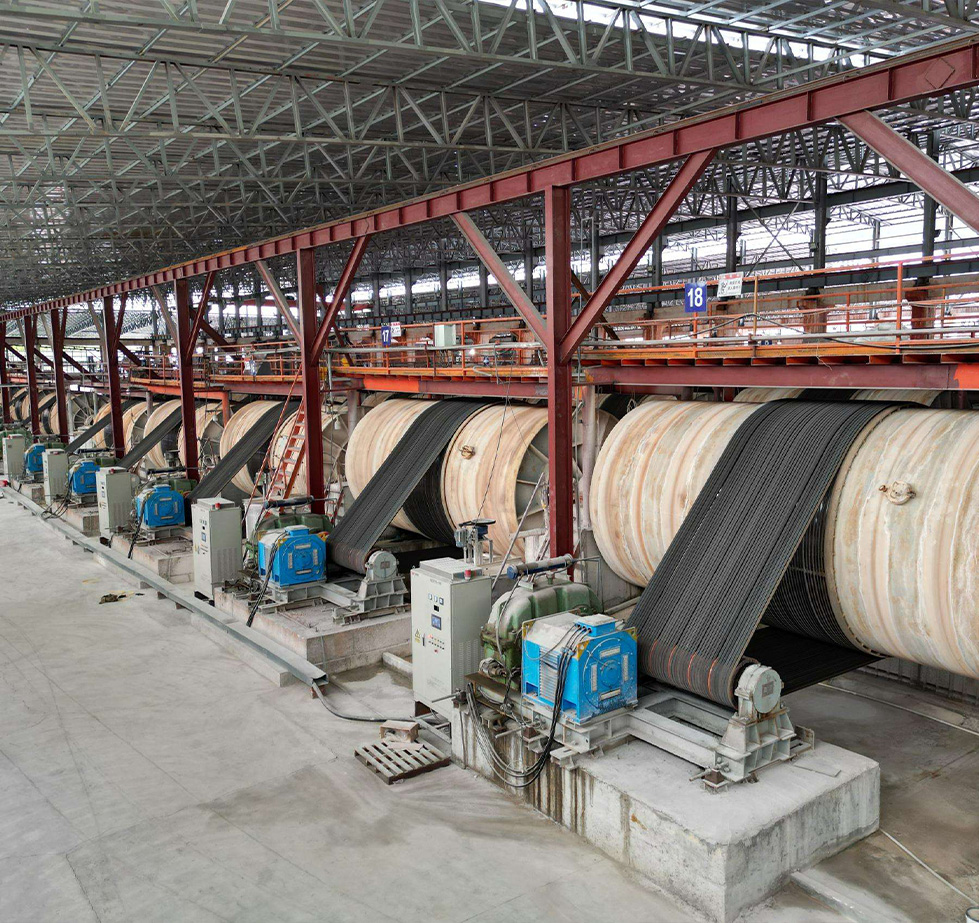
A ball mill has a simple structure. A horizontal cylinder holds liners and grinding media (grinding balls). The motor rotates the cylinder, lifting the media and material to a certain height. The media then cascade down—impact crushes the particles while rolling grinds them, and together these two actions break zirconium silicate particles down bit by bit.
To run a zirconium silicate grinding machine efficiently, two parameters matter most: ball charge and rotation speed. Industry practice shows that grinding media typically occupy 40–60% of mill volume, the media-to-material mass ratio ranges from 2:1 to 3:1, and ball diameter is selected between 0.5 mm and 20 mm depending on the target fineness. If the mill spins too fast, the media centrifuge against the wall and never fall. If it spins too slowly, impact energy falls short. Most dry ball mills operate at 70–80% of critical speed, while wet mills can run slightly faster.
4. Grinding Media: Zirconium Silicate Beads Grinding Zirconium Silicate
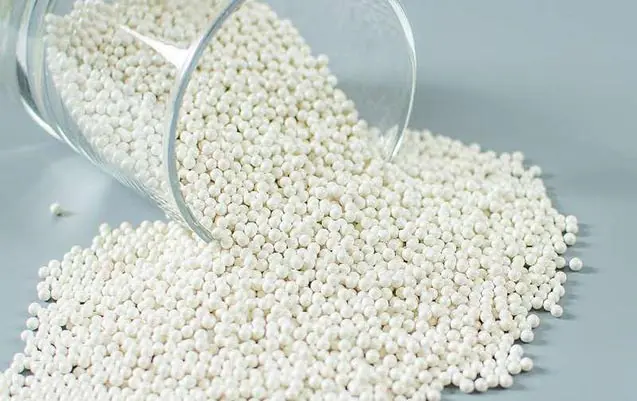
Interestingly, the most cost-effective media for grinding zirconium silicate is often zirconium silicate beads themselves. These beads offer a density of about 4.2–4.6 g/cm³, a Mohs hardness of 6.5–7, and stable chemical properties. They wear at roughly 0.1–0.3% weight loss per 100 operating hours and cost 50–60% less than zirconia beads.
Because the media and the feedstock share the same composition, any slight media wear introduces no foreign impurities. This feature naturally guarantees product purity—critical for ceramic glaze and electronic material users. For premium applications, producers can switch to yttria-stabilized zirconia beads, which offer higher hardness and near-zero contamination, at a correspondingly higher cost.
The choice between dry and wet grinding also affects results. Wet grinding dissipates heat well and achieves higher fineness ceilings, suiting ultra-fine zirconium silicate powder and slurry production. Dry grinding offers a simpler process for moisture-sensitive applications.
5. Equipment Recommendation: Minjie Machinery Ball Mills
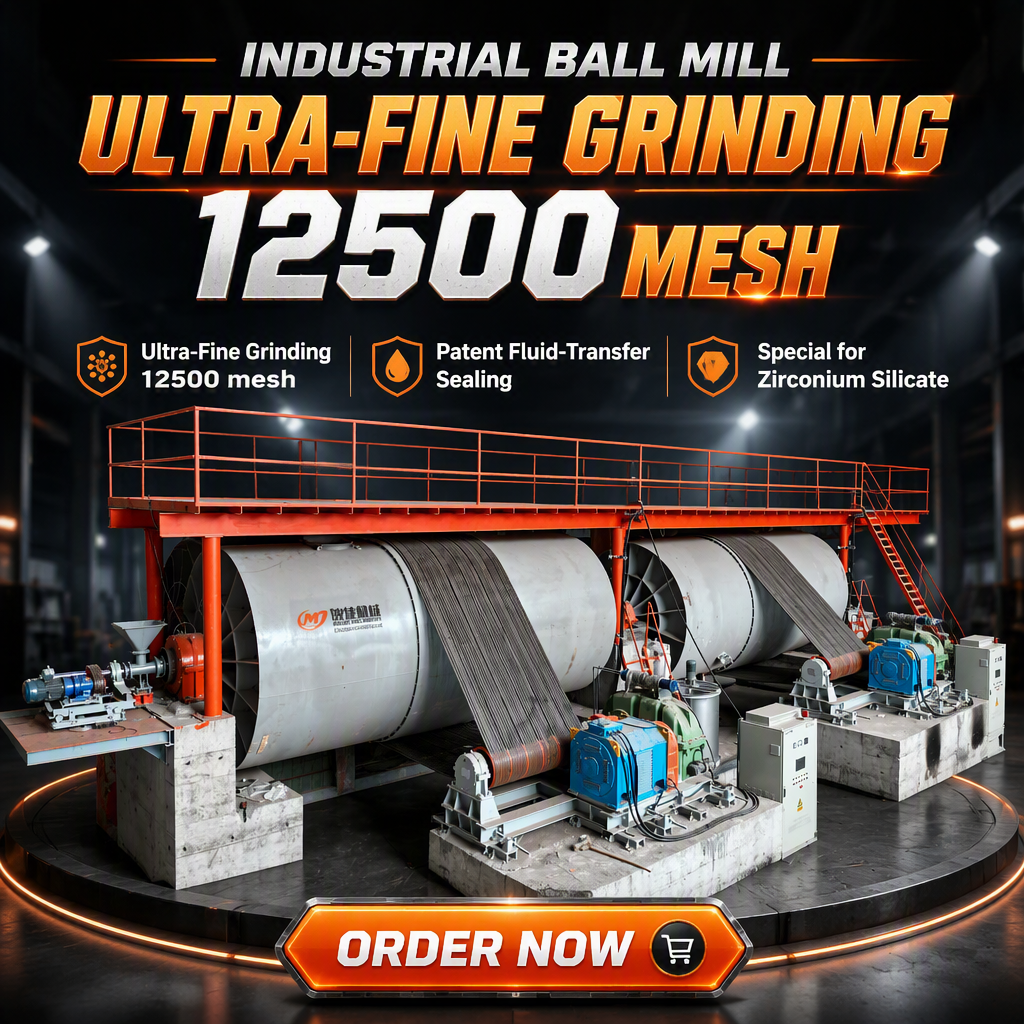
Considering wear resistance, energy efficiency, and maintenance cost together, we recommend the ball mill series from Minjie Machinery. As a manufacturer specializing in powder grinding equipment, Minjie Machinery designs its mills specifically for high-hardness materials like zirconium silicate:
- Wear-resistant structure: Cylinder liners use high-alumina ceramic or wear-resistant rubber, matched with zirconium silicate media to significantly extend maintenance intervals.
- Optimized transmission: Center- or edge-drive configurations undergo load verification for smooth operation and lower power consumption per ton of powder.
- Full size range: From laboratory-scale units to industrial mills with daily capacities in the hundreds of tons, in both dry and wet configurations.
- Controlled discharge: Closed-circuit systems with classifiers flexibly control finished fineness and avoid over-grinding waste.
Whether building a new production line for ceramic raw materials or upgrading a mineral processing plant, Minjie Machinery provides complete zirconium silicate grinding machine solutions based on material hardness, feed size, and target fineness—plus installation guidance and media selection support.
6. Selection and Maintenance: Keep the Mill Working, Not Breaking Down
Before purchasing a zirconium silicate grinding machine, calculate three things: capacity (tonnage per hour), fineness (target D50 or D97), and energy (kWh per ton of powder). Bring these three numbers to the supplier instead of comparing prices vaguely.
Daily maintenance comes down to four actions: inspect media and liner wear every 500 operating hours; replenish media promptly to maintain ball charge; avoid prolonged empty running; and drain the slurry before shutting down a wet mill. These four habits noticeably extend media life and improve mill availability.
7. Conclusion
Zirconium silicate is hard and widely used, but it “respects” only well-designed equipment. Only a zirconium silicate grinding machine with sound structure, matched media, and scientific parameters can grind it into high-value powder consistently and economically. With wear-resistant design and strong cost-performance, Minjie Machinery’s ball mills offer a reliable grinding solution for ceramics, coatings, and foundry industries.Contact us now for more information and product quotations.