
Limestone crushing line: Limestone Processing Workflow and Equipment Guide
Why Does Limestone Need Crushing?
Limestone is a sedimentary rock composed mainly of calcium carbonate (CaCO₃). Manufacturers use it in cement production, construction aggregates, road building, metallurgy and chemical industries. The U.S. Geological Survey identifies limestone as an important industrial mineral used in cement and concrete aggregate production.[U.S. Geological Survey, Limestone—A Crucial and Versatile Industrial Mineral Commodity.]
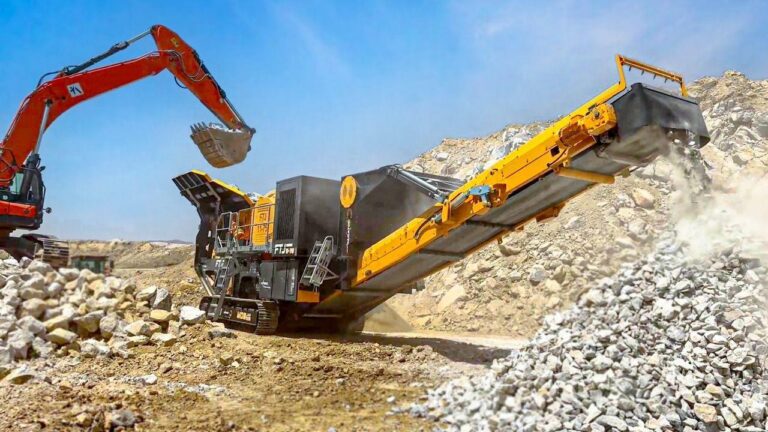
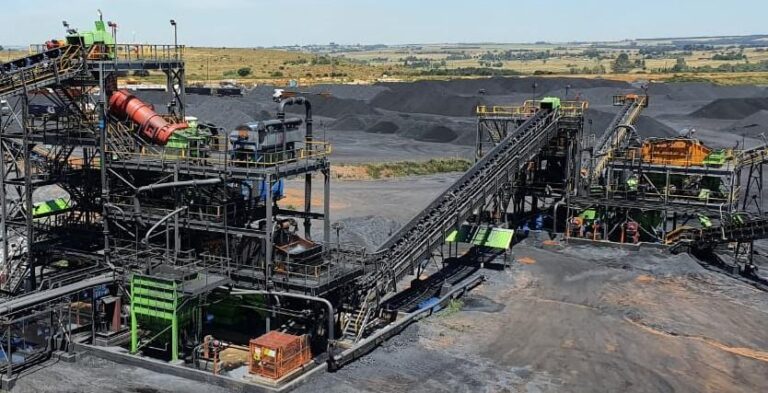
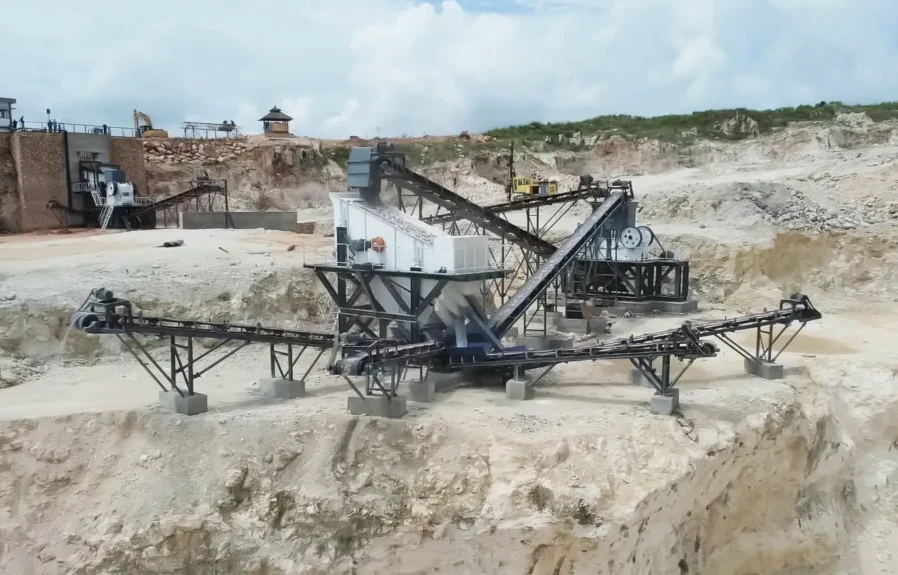
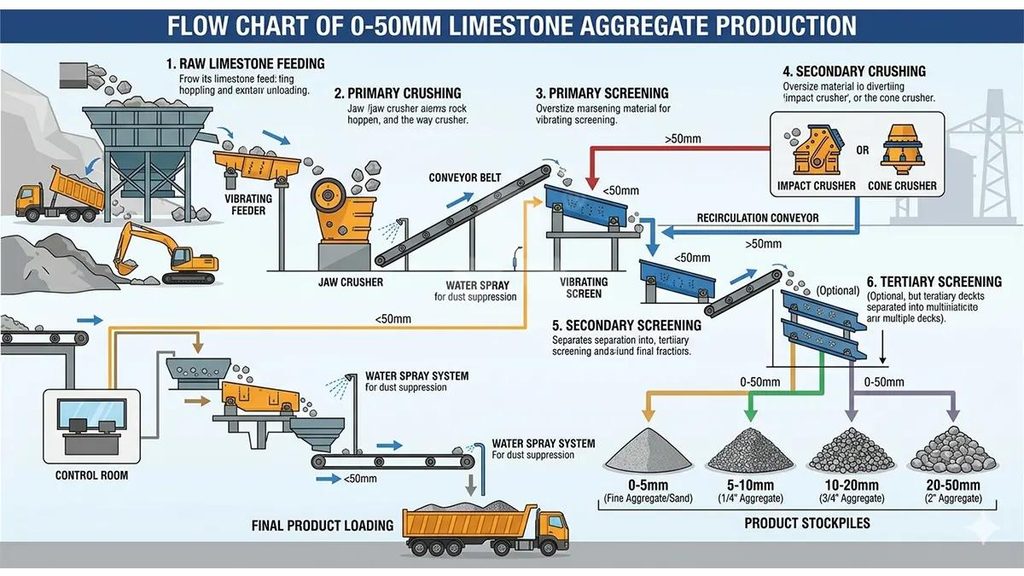
Quarried limestone often arrives at a processing plant in large blocks. Crushing and screening reduce these blocks into sizes suitable for different applications. A typical limestone crushing line includes feeding, primary crushing, secondary crushing, screening, oversize recirculation and product conveying.
1. Raw Material Receiving and Feeding
Quarries extract limestone through drilling, blasting or mechanical excavation. Loaders and haul trucks then transport the rock to the processing plant.
The material enters a feed hopper, where a vibrating feeder controls the flow to the crusher. Operators can install a grizzly screen to remove undersized material and some soil before primary crushing.
Consistent feeding helps prevent overloading and supports continuous operation.
2. Primary Crushing: Reducing Large Limestone Blocks
Primary crushing reduces large limestone blocks into manageable pieces. A jaw crusher compresses the rock between a fixed jaw plate and a moving jaw plate.
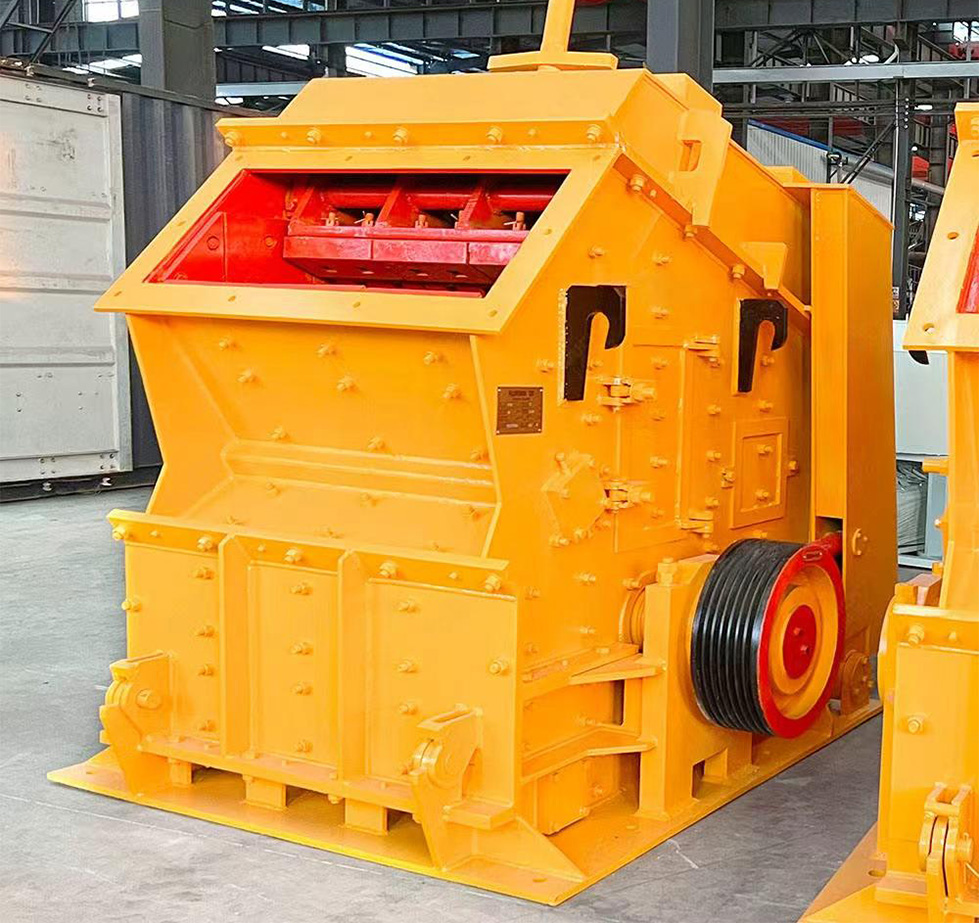
For limestone with moderate hardness and relatively low abrasiveness, operators can also evaluate impact crushing according to the required particle shape and capacity. Minjie’s Impact Crusher uses high-chromium alloy hammer plates and wear-resistant impact liners. Its product page highlights adjustable discharge sizing and cubic-shaped aggregate production.
Before selecting a model, buyers should confirm maximum feed size, moisture content, target throughput and wear-part costs.
3. Secondary Crushing: Controlling Product Size
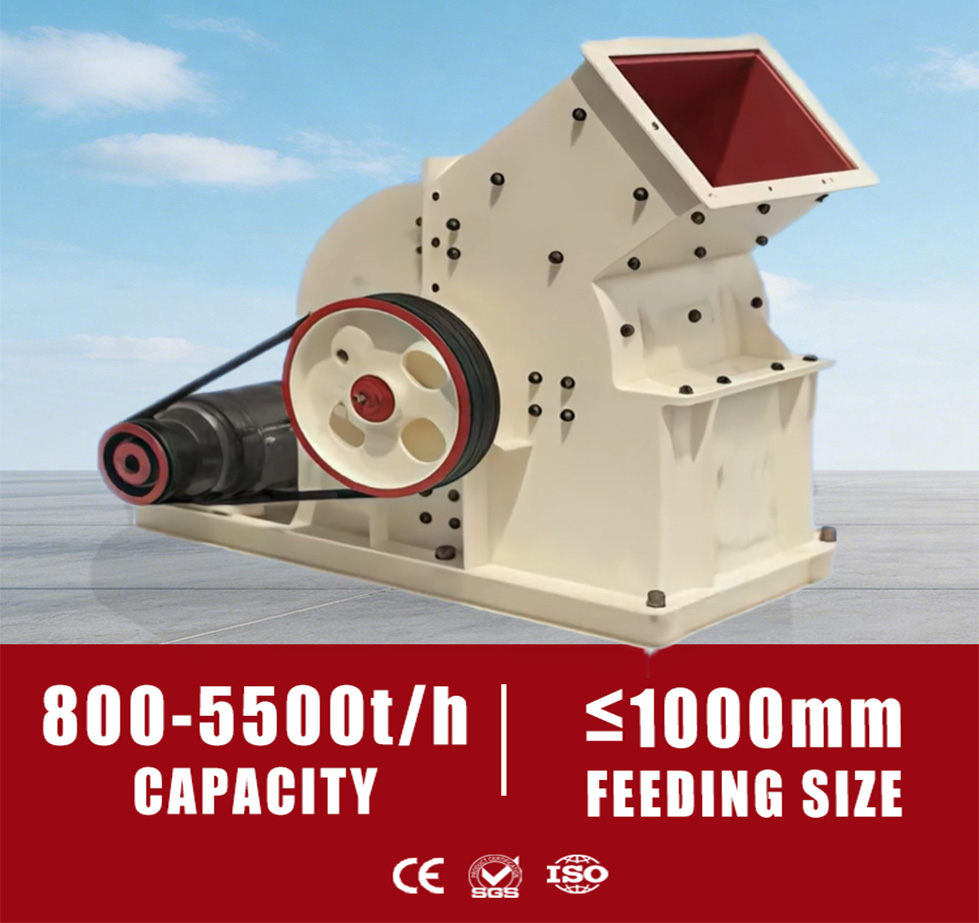
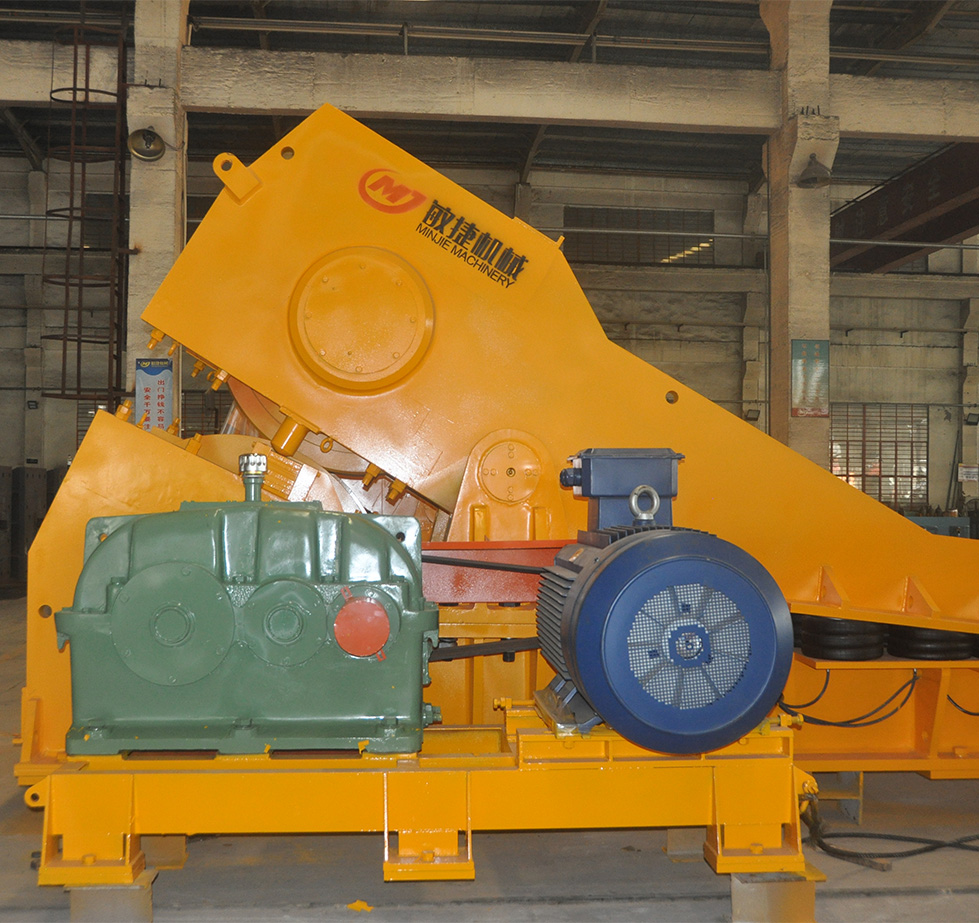
Belt conveyors transfer primary-crushed limestone to the secondary crushing stage. Engineers can select impact crushers, hammer crushers or other suitable machines according to the target product size.
Minjie’s Hammer Crusher features high-strength alloy hammers and liners. Its official product page highlights wear resistance, a simple structure and convenient maintenance. The machine also produces relatively uniform particles.
For finer reduction, buyers can evaluate Minjie’s Double Roller Crusher. It uses high-chromium molybdenum-vanadium alloy roller rings and a scraper system. The listed maximum feed size is 20 mm, so buyers should consider it for suitable downstream fine-crushing duties rather than large run-of-quarry feed.
4. Screening and Oversize Recirculation
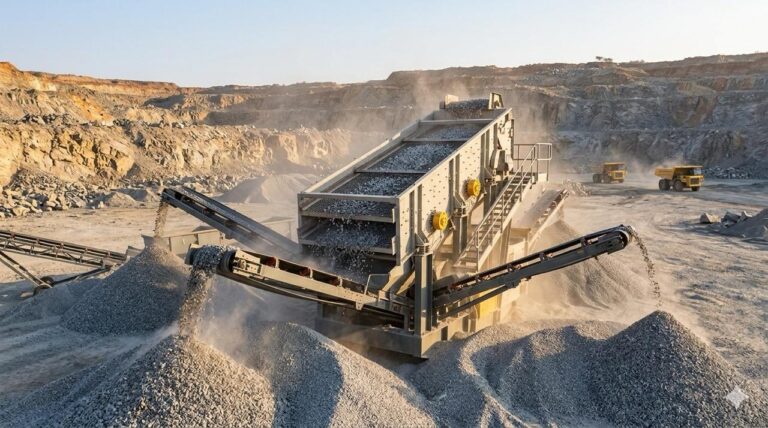
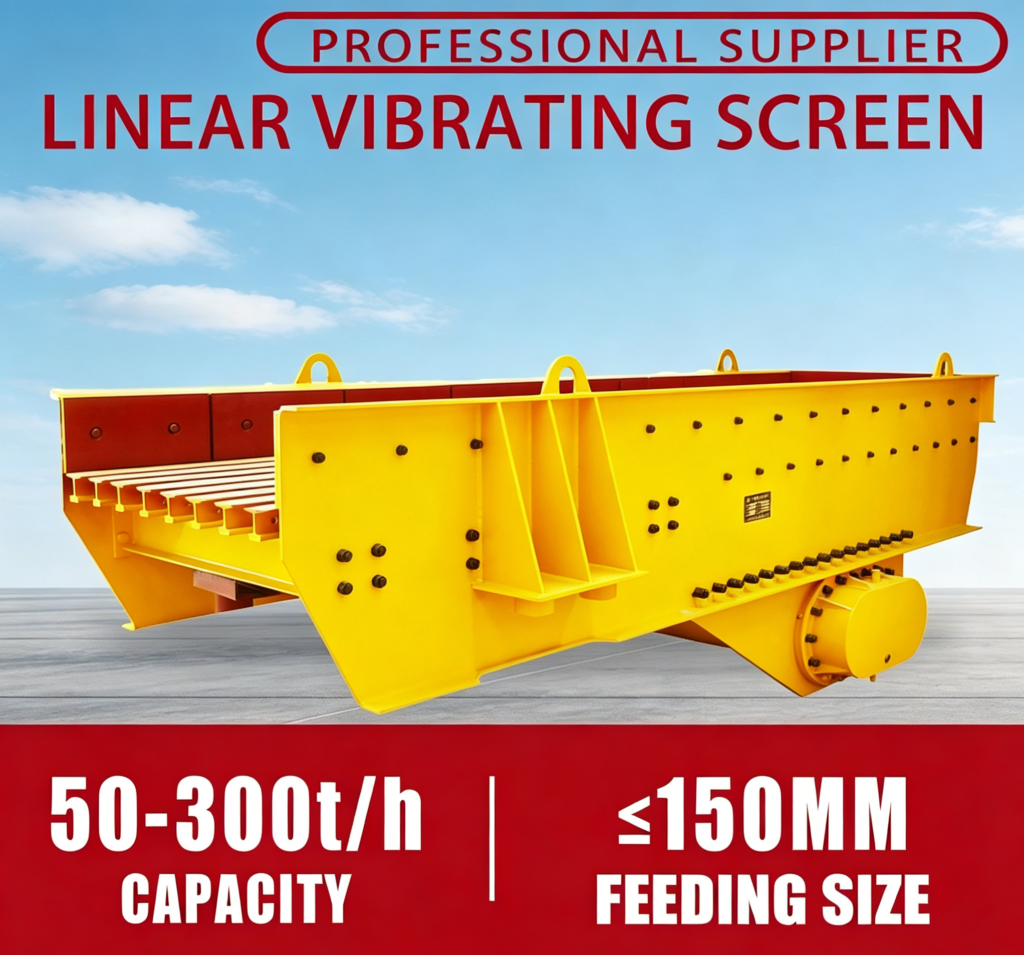
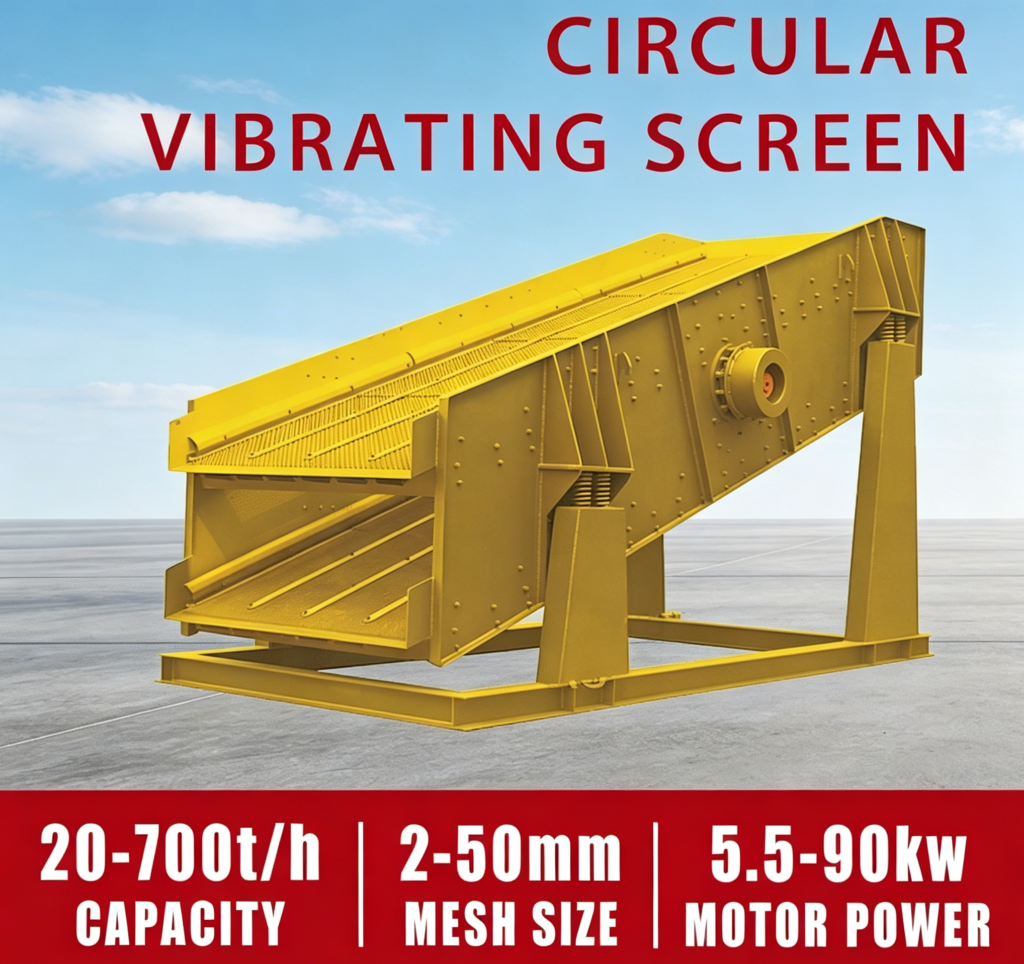
After crushing, the material enters a vibrating screen. Different screen openings separate limestone into product sizes for construction aggregates, road base materials or cement manufacturing.
Qualified material moves to the finished-product conveyors. Oversized particles return to the crusher for further reduction. This closed-circuit process helps control product grading and limits oversize material.
The U.S. Environmental Protection Agency’s Crushed Stone Processing document describes typical feeding, primary crushing, secondary crushing, screening and material recirculation stages. It also explains how plants separate and store different product sizes.[U.S. Environmental Protection Agency, AP-42: Crushed Stone Processing and Pulverized Mineral Processing.]
5. Product Conveying and Storage
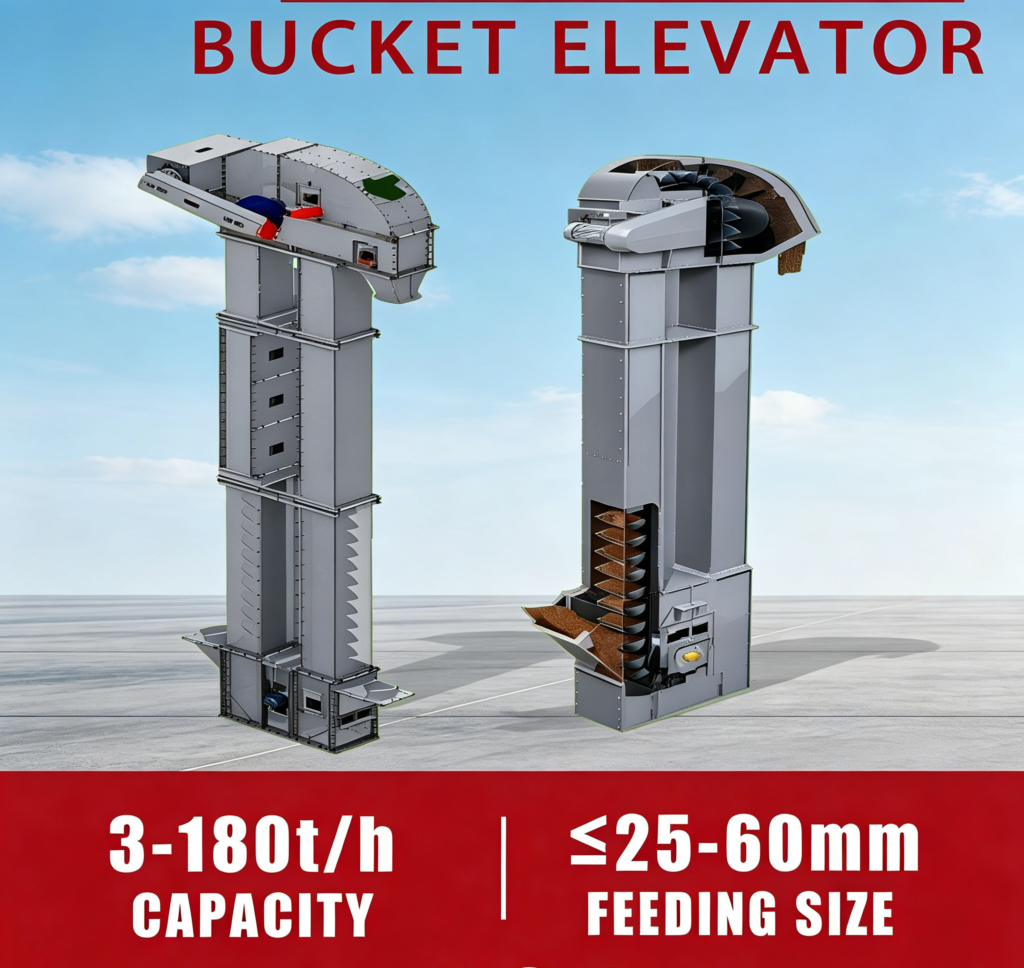
Belt conveyors transfer screened limestone to storage bins or stockpiles. Operators should store different product sizes separately to prevent contamination and mixing.
Cement plants may blend limestone according to its chemical composition before grinding and calcination. Aggregate producers should focus on particle-size distribution, clay content and particle shape to meet customer specifications.
Minjie Equipment Recommendation
Minjie lists several crushing machines on its official website, including impact crushers, hammer crushers and double roller crushers. Limestone producers can evaluate these options according to feed size, abrasiveness, required output and final product specifications.
Contact us to explore its equipment and production-line solutions. When requesting a technical proposal, provide the maximum feed size, target capacity, finished product sizes, moisture content and site layout.
A properly configured limestone crushing line helps producers process limestone consistently, manufacture different industrial stone products and improve overall production efficiency.
Complete and submit the form to let us know your requirements. We will reply promptly.