
1. What Is Manufactured Sand?
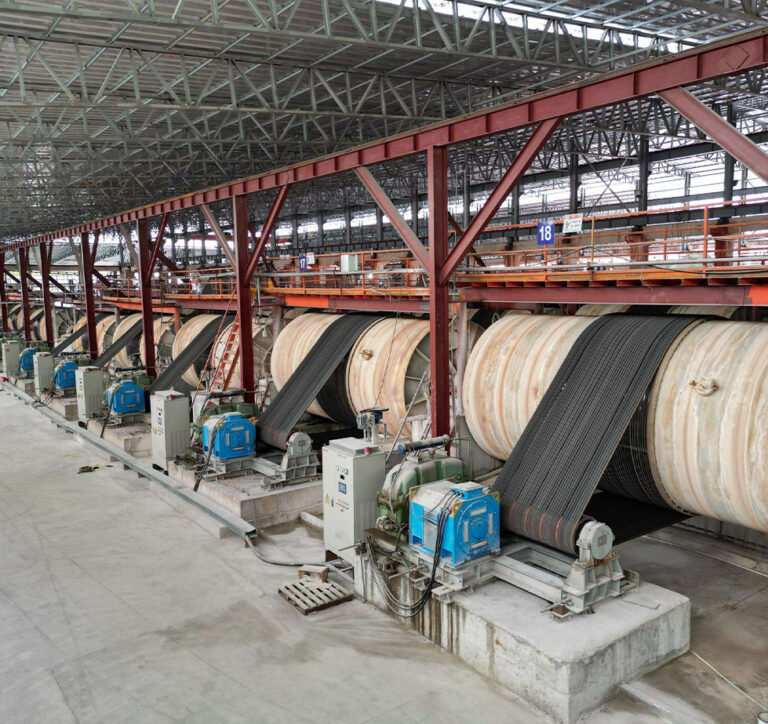
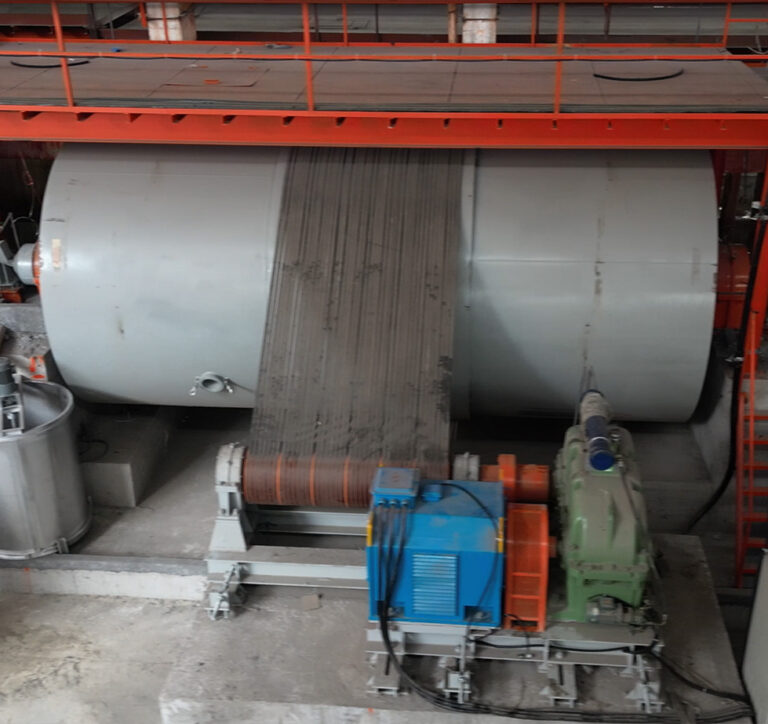
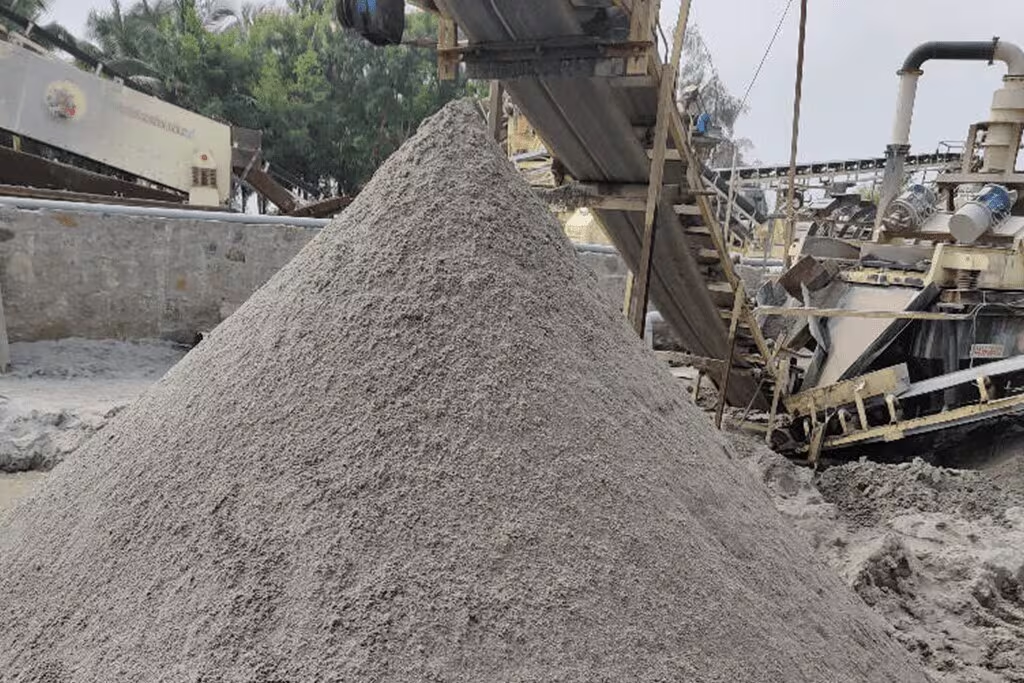
Construction cannot happen without sand. For decades, the industry relied on river sand, but river sand is finite, and over-extraction damages riverbed ecosystems. sand milling offers another path: producers crush rock, pebbles, tailings, or waste stone through mechanical crushing, screening, particle shaping, and powder control to create particles below 4.75 mm that meet strict requirements on particle shape, gradation, and stone powder content.(PDF scjg.ln.gov.cn) In simple terms, manufactured sand is “human-made sand.”
2. Market Drivers: M-Sand Has Become Mainstream
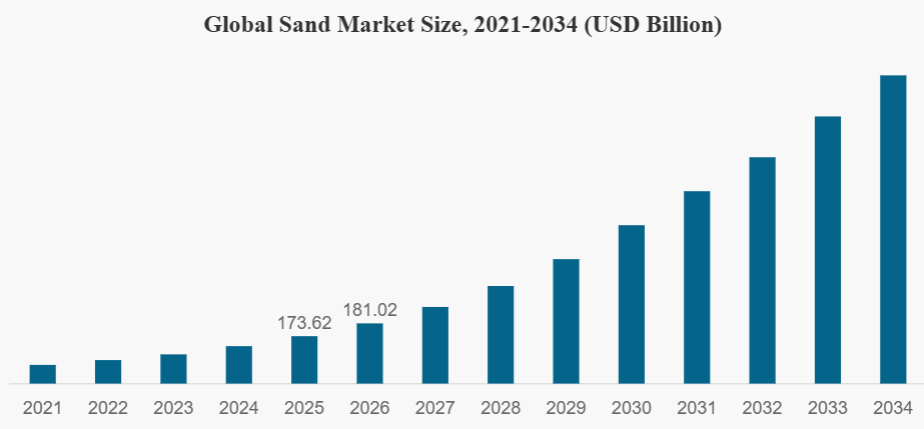
According to the China Aggregates Association’s 2024 statistics, China alone uses more than 180 billion tons of manufactured sand annually. Globally, the sand market reached about US$173.6 billion in 2025 and is projected to hit US$252.9 billion by 2034; analysts expect the manufactured sand segment, growing above 10% per year, to lead the market by the end of the forecast period. Stricter environmental rules and river-sand mining bans have pushed the sand milling industry onto the fast lane.
3. The sand milling Process Flow
A standard manufactured-sand production line takes four steps:
- Crushing: A jaw crusher handles coarse primary crushing; cone or impact crushers take over for intermediate and fine stages;
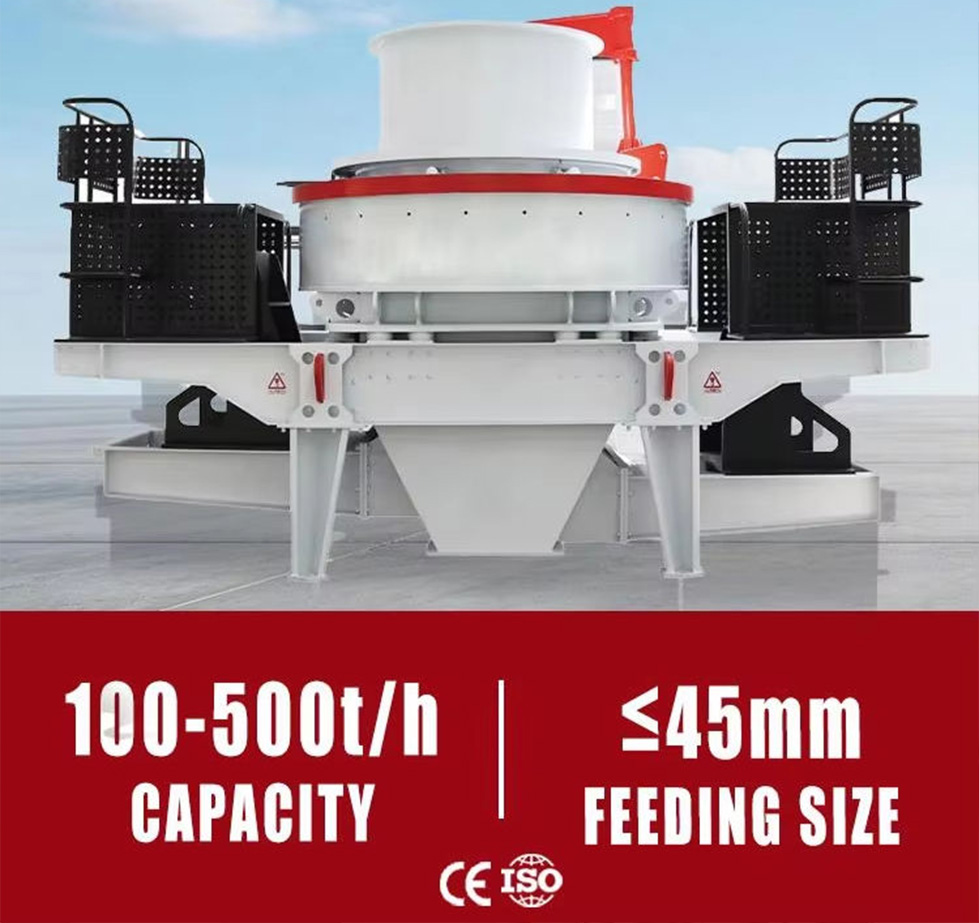
- Sand making (shaping): This is the heart of sand milling. Material enters the high-speed rotor of a vertical shaft impact (VSI) crusher and is thrown out at 60–75 m/s, smashing violently against chamber liners or other particles and undergoing repeated impact and shaping ;
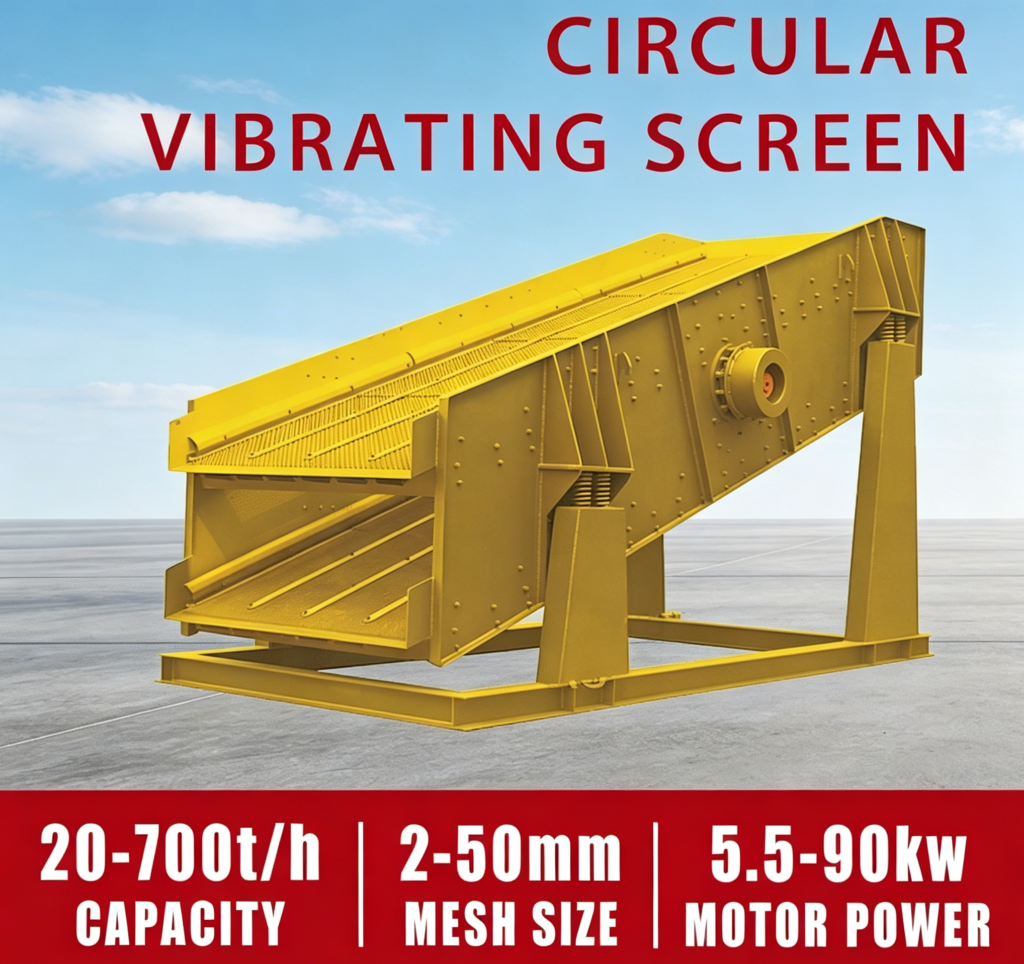
- Screening and classification: Vibrating screens split product into sizes, and oversize returns to the crushers;
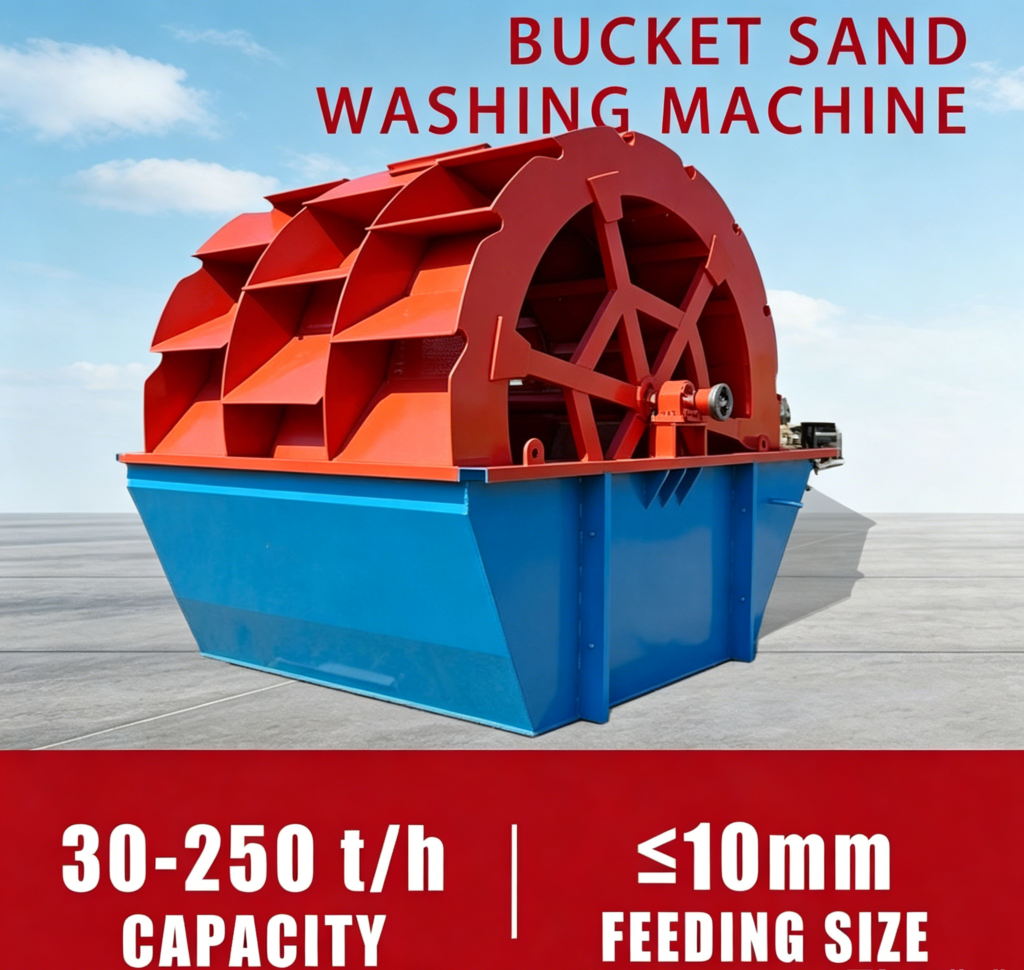
- Washing and powder control: Sand washers remove mud and clay, while powder classifiers or fine-sand recovery units adjust stone powder content.
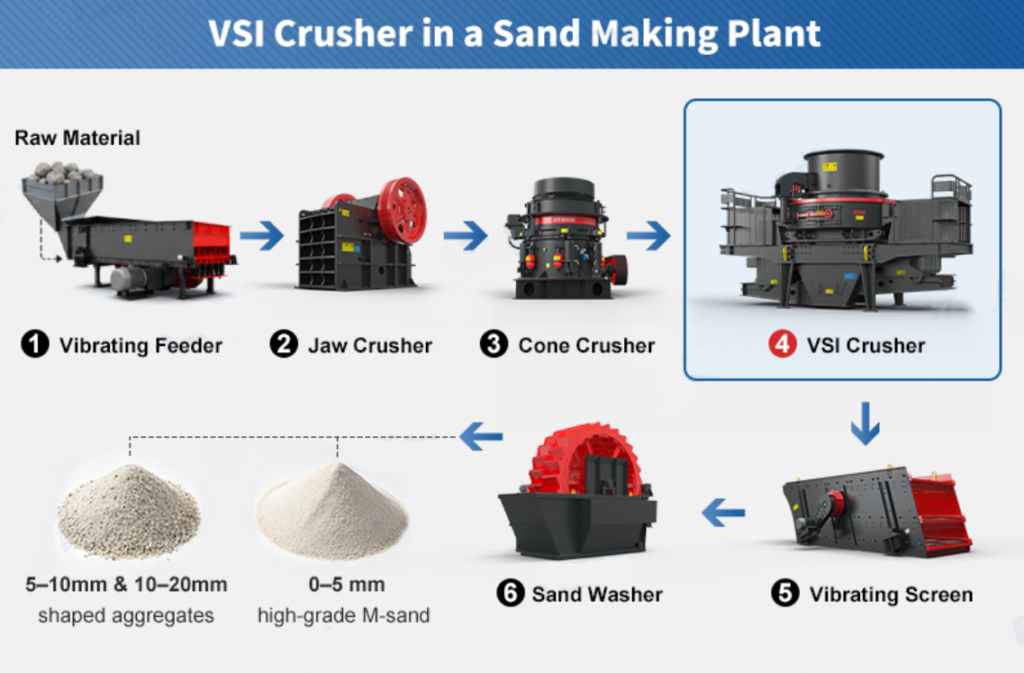
A VSI offers two crushing modes. Rock-on-iron mode yields 40%–55% fine sand per pass—ideal for medium-soft rock such as limestone. Rock-on-rock mode yields 25%–35% per pass but wears liners extremely slowly, cutting wear-part replacement costs by up to 70%—the choice for abrasive granite or river pebbles. A VSI9526 unit processes 300–380 tons per hour and delivers near-cubic particles with flaky content below 5%, meeting construction sand standards directly.
4. Quality Control: Three “Health Checks” for M-Sand
Manufactured sand cannot simply be crushed and used. The Chinese national standard GB/T 14684—2022 “Sand for construction” sets the rules:
- Stone powder content: the share of particles finer than 75 μm. When the methylene blue (MB) value is ≤1.4, stone powder may reach 10%—a major relaxation from the previous 3% limit . Stone powder differs from harmful clay: it comes from the parent rock itself, and a proper amount actually fills voids and improves gradation;
- Methylene blue value: MB reflects clay adsorption in the fines. For concrete above C60 it must stay ≤0.5; for C30–C55, ≤1.0; for C25 and below, ≤1.4 ;
- Gradation and crushing value: mandatory factory tests cover particle gradation, fineness modulus, stone powder content (with MB test), and crushing value index .
Good powder control insures the finished product. It also marks the dividing line between modern sand milling plants and old-style quarries.
5. Equipment Recommendation: Minjie Machinery Sand-Making Equipment
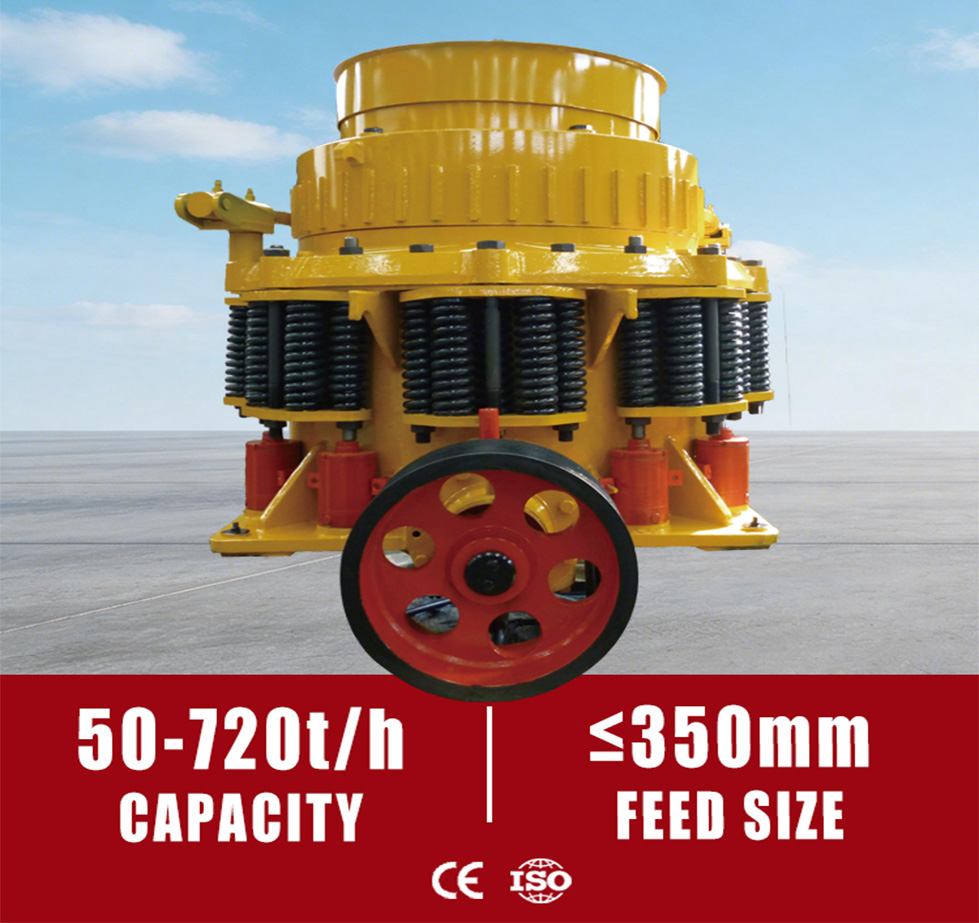
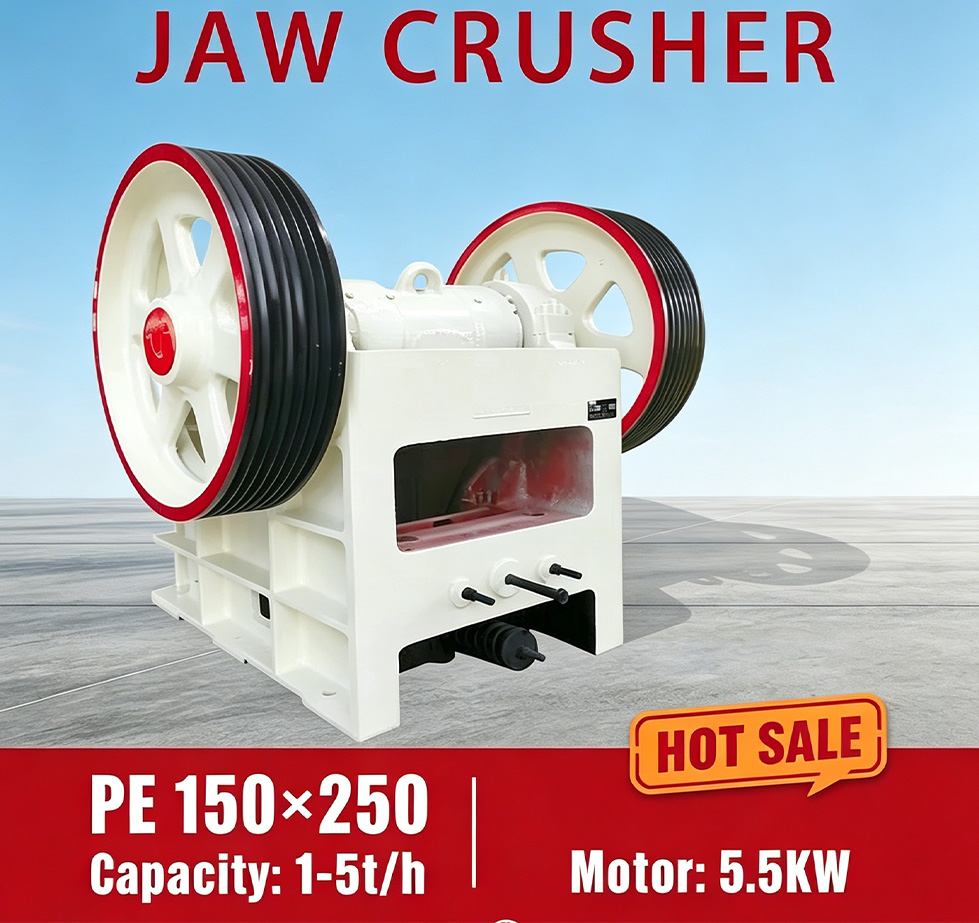
Weighing capacity, particle shape, wear cost, and environmental features, we recommend Minjie Machinery’s sand-making equipment. Its core VSI models adopt optimized deep-cavity rotors and wear-resistant throw heads, with four highlights:
- Dual crushing modes: rock-on-iron and rock-on-rock in one machine, handling soft and hard rock alike;
- Adjustable gradation: rotor speed and feed rate tune the fineness modulus flexibly between 2.6 and 3.0;
- Long wear life: key parts use high-chromium alloy and composite wear materials, extending service life by over 50% ;
- Green production: an enclosed structure with pulse dust collection keeps emissions compliant and noise low .
Whether building a million-ton-per-year sand plant or retrofitting a quarry, Minjie Machinery delivers complete “crushing + sand making + screening + washing” lines. When choosing sand milling equipment, bring three pieces of data—parent rock type, feed size, and target capacity—and let the supplier design the process around them.
6. Conclusion
sand milling turns rock into sand. It relieves the natural sand shortage and converts tailings and waste stone into resources. Crushing equipment sets the floor, while powder control and quality inspection set the ceiling. With high-output sand makers, wear-resistant parts, and whole-line process services, Minjie Machinery helps aggregate producers extract full value from every ton of rock.
Contact us now for more information and product quotations.