
Granit Crushing Line: Granite Crushing Process and Equipment Selection Guide
Why Does Granite Require a Dedicated Crushing Process?
Granite is a hard igneous rock composed mainly of quartz, feldspar and mica. Its strength and abrasive properties make it a popular material for construction aggregates, road bases, concrete and infrastructure projects.
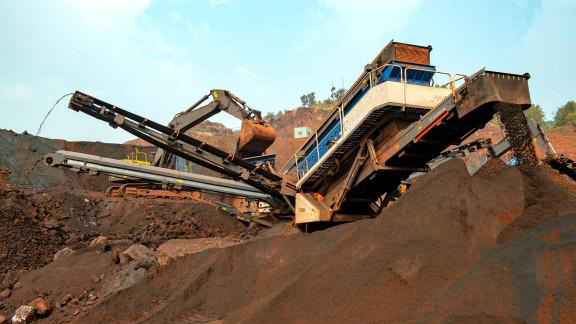
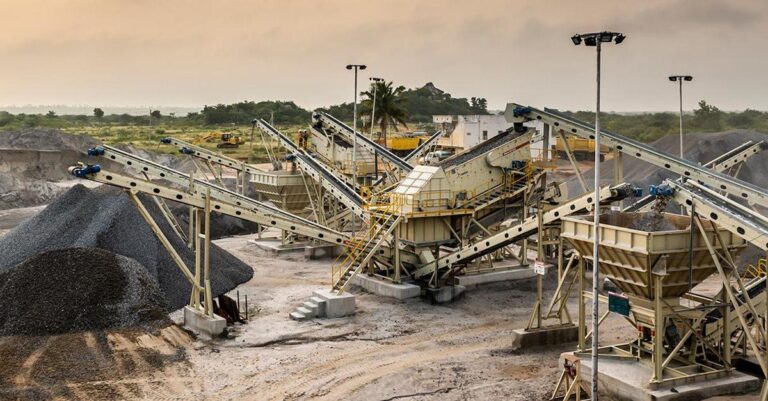
A typical granit crushing line uses multiple crushing and screening stages to convert large granite rocks into aggregates of different sizes. Because granite causes significant wear on crushing equipment, operators should prioritize wear resistance, processing efficiency and operating costs.
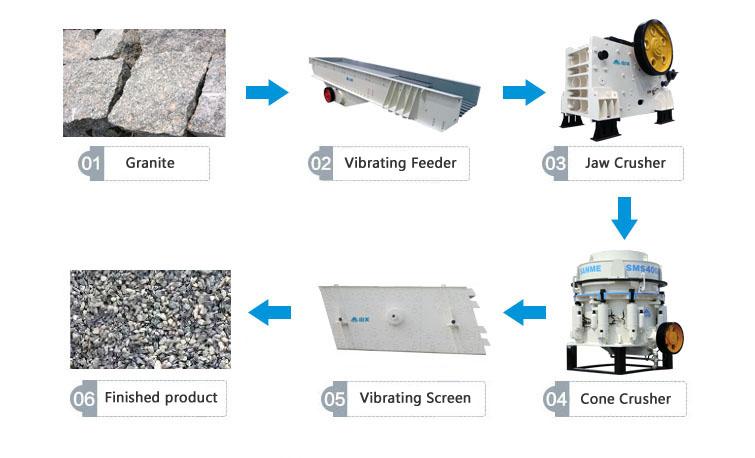
A study published in Mining Science and Technology reported an average unconfined compressive strength of 101.67 MPa for the tested granite samples. This result demonstrates the high strength of the tested material, although actual granite properties vary by quarry and mineral composition.[Influence of Some Rock Strength Properties on Jaw Crusher Performance in Granite Quarry, Mining Science and Technology, 2010.]
1. Raw Material Receiving and Feeding
After drilling and blasting, loaders transfer granite rocks into trucks. The trucks deliver the material to the plant’s receiving hopper.
A vibrating feeder supplies granite to the primary crusher at a controlled rate. Some plants also use a grizzly screen to remove soil and undersized material before crushing.
Consistent feeding helps prevent overloading and supports stable production.
2. Primary Crushing: Jaw Crusher
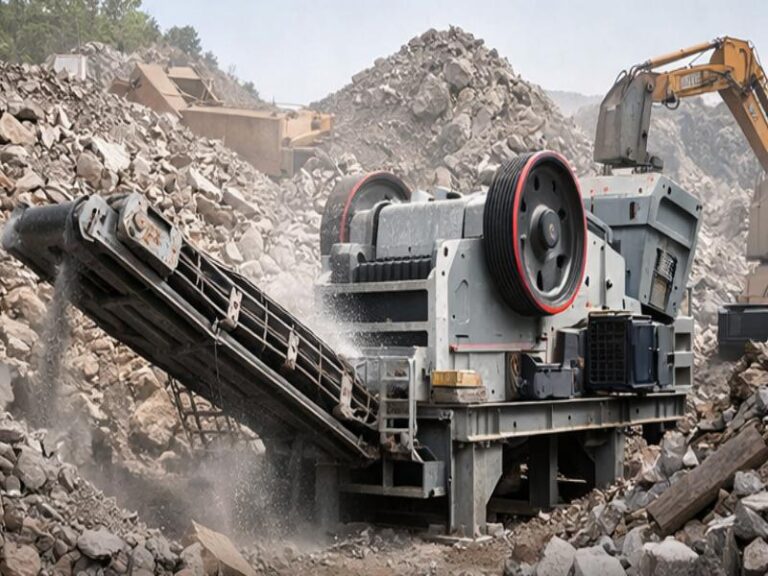
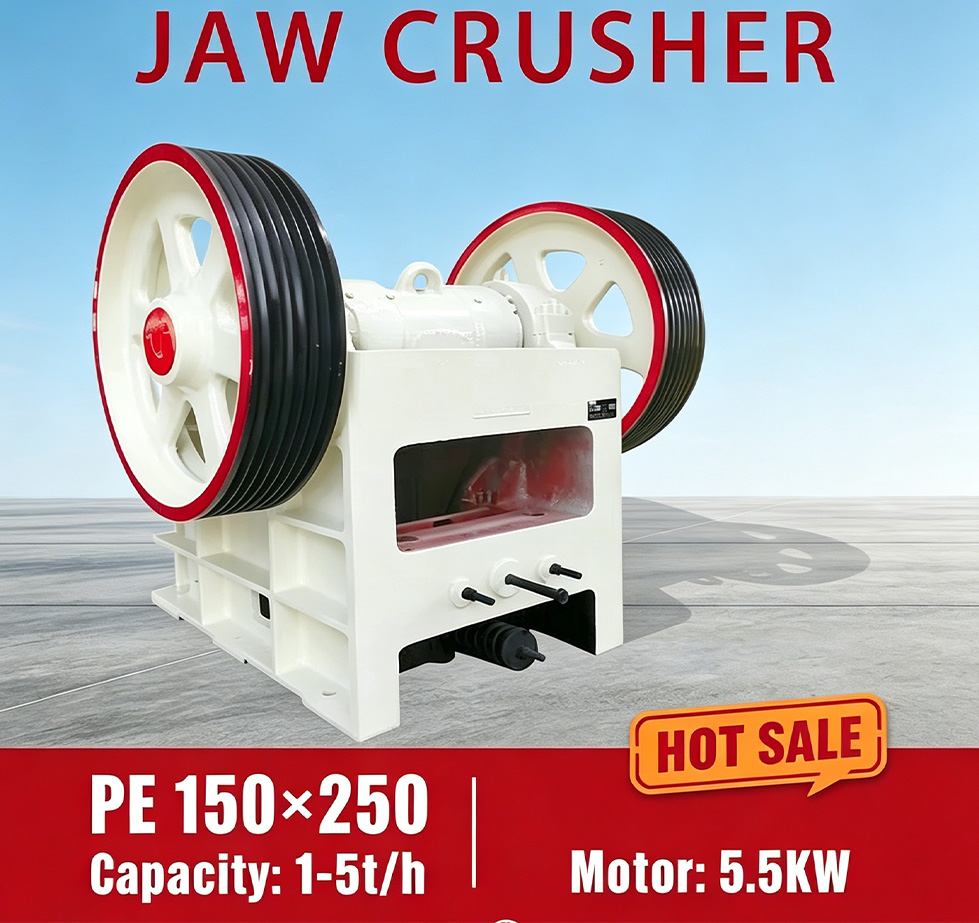
Primary crushing reduces large granite blocks to a manageable size. A jaw crusher compresses the rock between a fixed jaw plate and a moving jaw plate, making it suitable for large and hard feed materials.
Minjie’s Jaw Crusher features an optimized V-shaped crushing chamber. According to its product page, this design improves the crushing ratio and supports consistent output sizing. Its reinforced frame and internal components also improve durability.
Before selecting a model, buyers should confirm maximum feed size, throughput, discharge setting and jaw-plate material.
3. Secondary Crushing: Cone Crusher
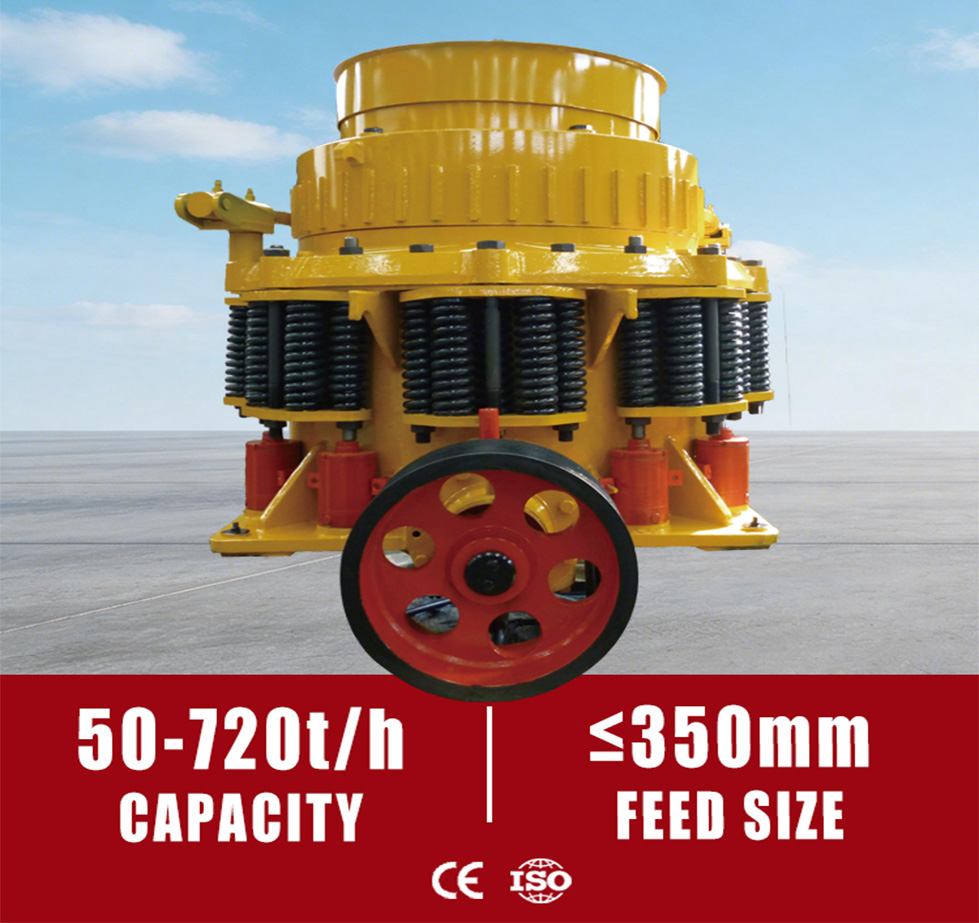
After primary crushing, belt conveyors transfer the granite to the secondary crushing stage. A cone crusher applies compression to reduce the material further and is commonly considered for hard, abrasive rock.
Minjie’s Cone Crusher includes hydraulic discharge-opening adjustment, a hydraulic chamber-clearing mechanism and spring-loaded tramp-iron protection. Its external lubrication system can also trigger automatic shutdown when oil temperature becomes too high or oil flow becomes too low.
For granite applications, operators can evaluate a cone crusher for secondary or fine crushing. Engineers should select the chamber type and discharge setting according to feed size and required output.
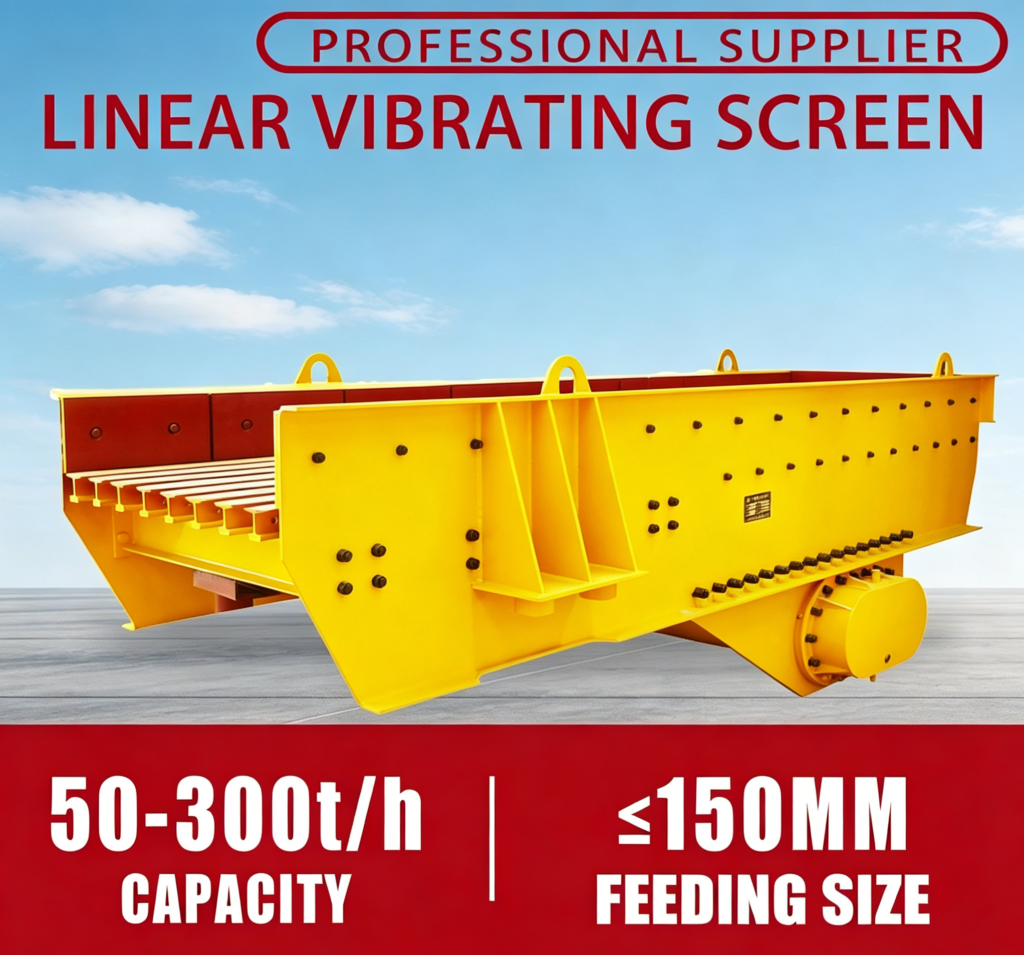
4. Vibrating Screening and Closed-Circuit Crushing
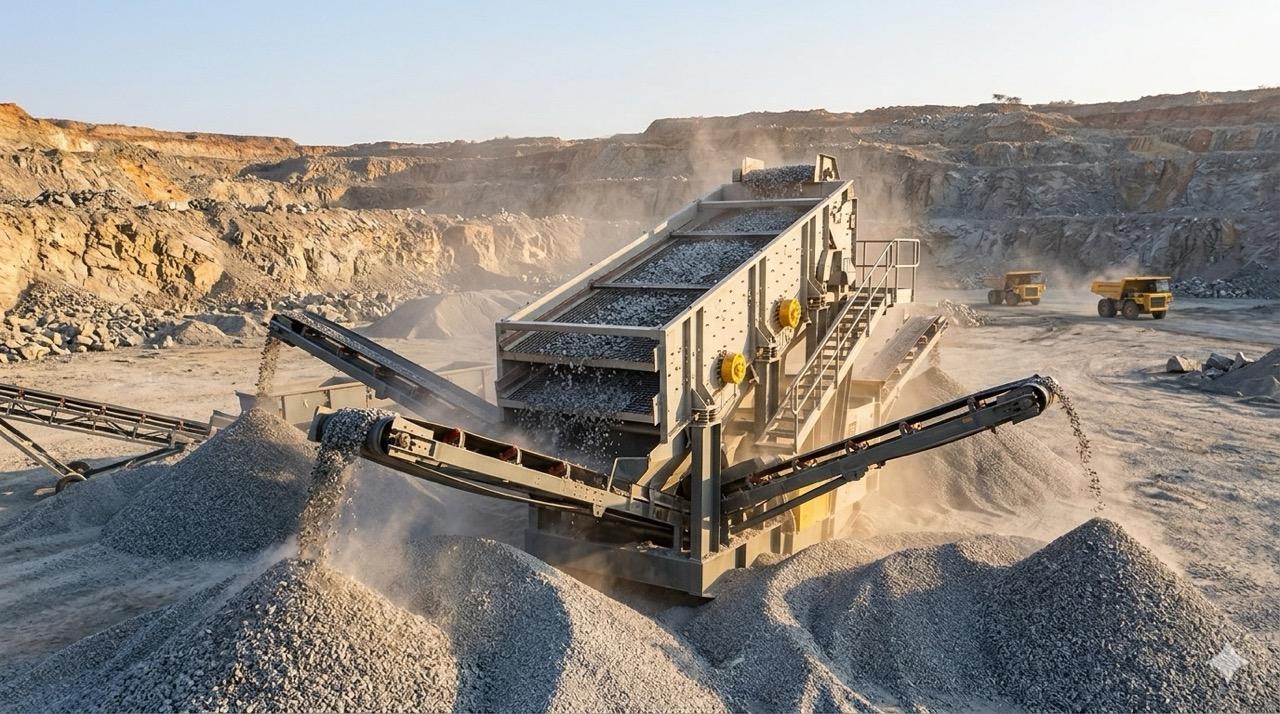
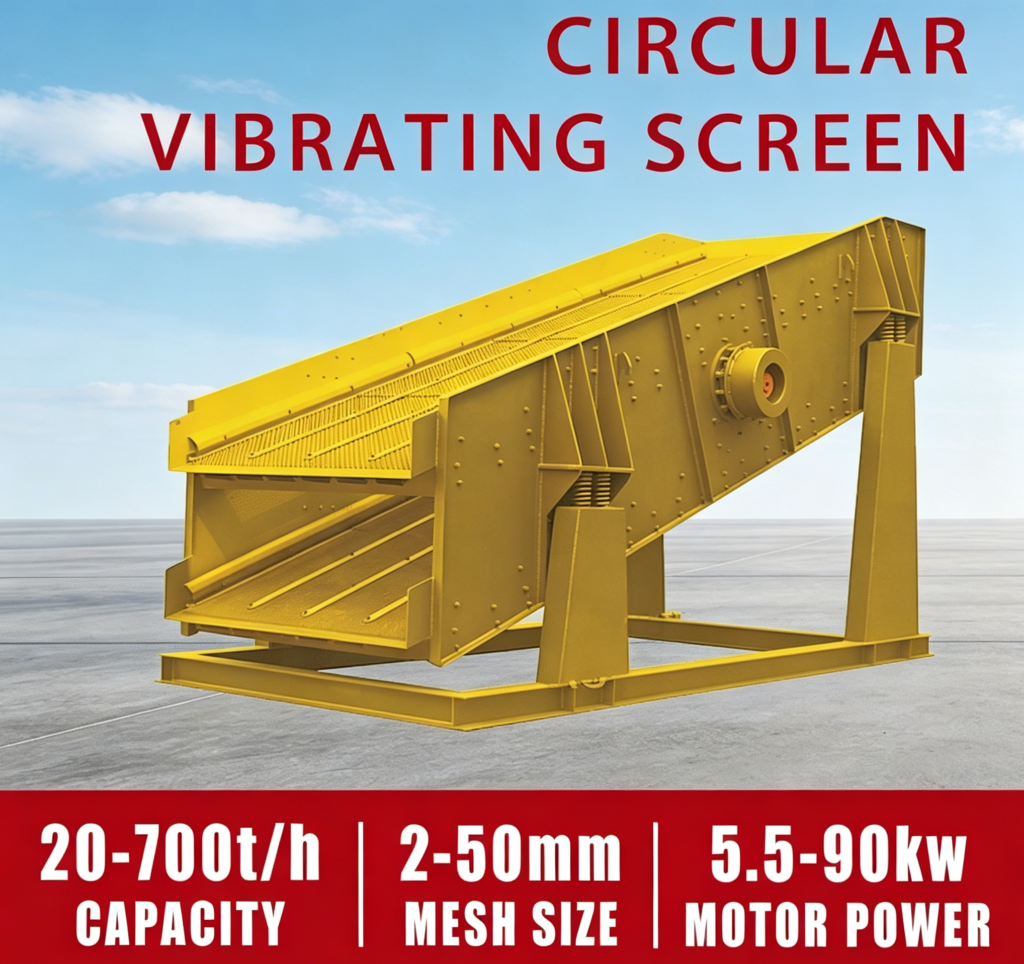
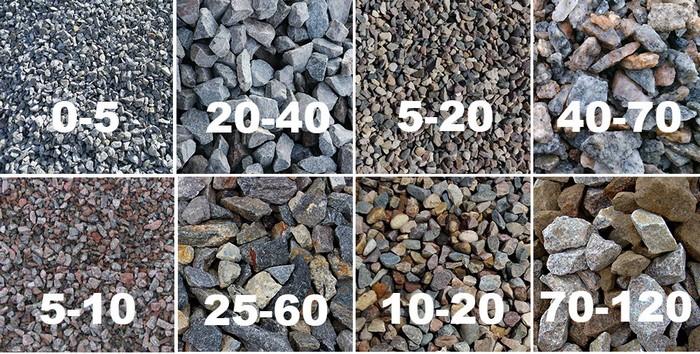
After secondary crushing, the material enters a vibrating screen. Different screen openings separate the aggregates into product sizes such as 0–5 mm, 5–10 mm, 10–20 mm and 20–40 mm. The final grading should match customer specifications and local aggregate standards.
Conveyors transfer correctly sized material to separate stockpiles. Oversized rocks return to the cone crusher for further reduction.
This closed-circuit arrangement helps control product size and reduce oversized particles. The Maharashtra Pollution Control Board’s stone-crushing guidelines describe transportation, primary crushing, secondary crushing and screening as typical processing stages. They also explain how operators return oversize material for additional crushing.[Maharashtra Pollution Control Board, Environment Guidelines for Stone Crusher.]
5. Product Conveying and Quality Control
Belt conveyors transfer screened granite aggregates to separate storage areas. Operators should regularly check particle-size distribution, flaky and elongated particles, clay content and dust levels.
These quality checks help producers meet the requirements of concrete, road construction and asphalt applications.
If a project also requires manufactured sand, engineers can add a shaping stage and fine screening equipment after the main crushing circuit.
Minjie Equipment Recommendation
For a granit crushing line project, Minjie’s jaw crusher and cone crusher provide equipment options to evaluate for primary and secondary crushing. The complete line should also include suitable vibrating feeders, screens and belt conveyors based on the required capacity.
Contact us to explore its mining crushers and production-line solutions. When requesting a proposal, provide granite hardness, maximum feed size, target throughput, finished aggregate sizes and site layout.
A well-designed granit crushing line helps quarry operators process hard rock efficiently, produce consistent aggregate sizes and improve the utilization of granite resources.
Complete and submit the form to let us know your requirements. We will reply promptly.