
Manufactured Sand Production Process: Equipment and Workflow Guide
What Is Manufactured Sand?
Manufactured sand, also known as M-sand, is a fine aggregate produced by mechanically crushing, shaping, screening and classifying suitable rock materials. It serves concrete, mortar, road construction and infrastructure projects.
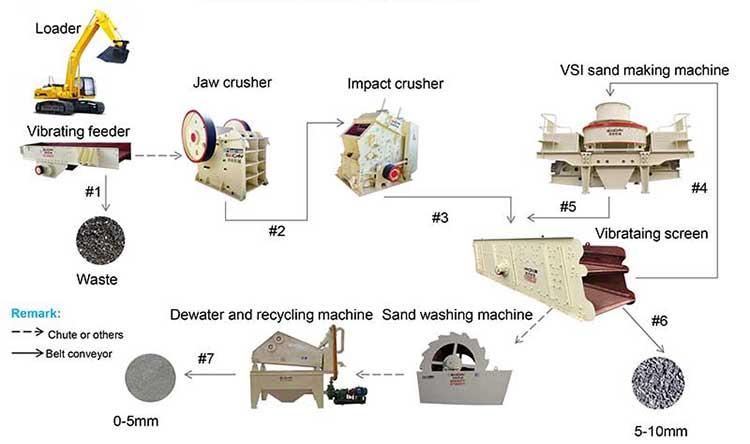
A typical Sand Making Plant combines raw material feeding, multi-stage crushing, sand shaping, screening, washing, classification, dewatering and conveying. Engineers adjust the process according to raw material properties and local product standards.
1. Raw Material Preparation and Feeding
The process starts with checking rock hardness, clay content, moisture and maximum feed size. Common raw materials include granite, basalt and limestone.
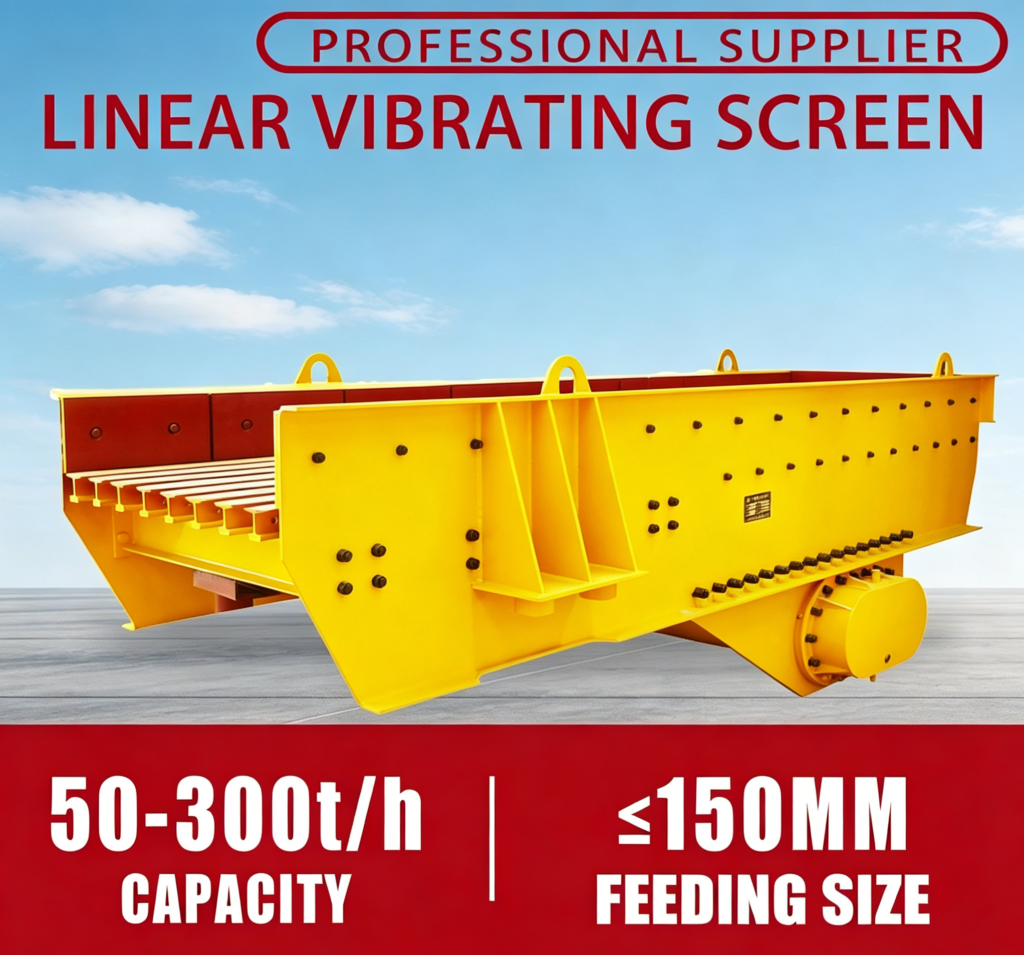
Loaders transfer the selected rock into a hopper. A feeder then supplies the material at a controlled rate. Consistent feeding helps prevent sudden load changes and supports stable operation. Pre-screening can also remove soil and undersized particles before crushing.
2. Multi-Stage Crushing
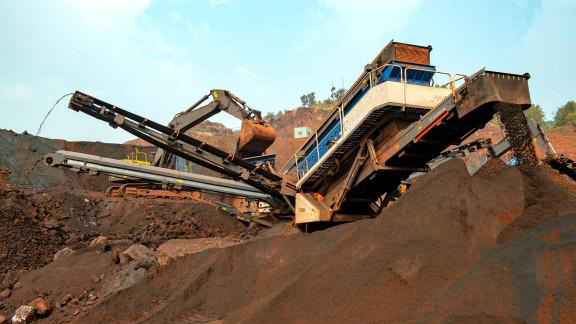
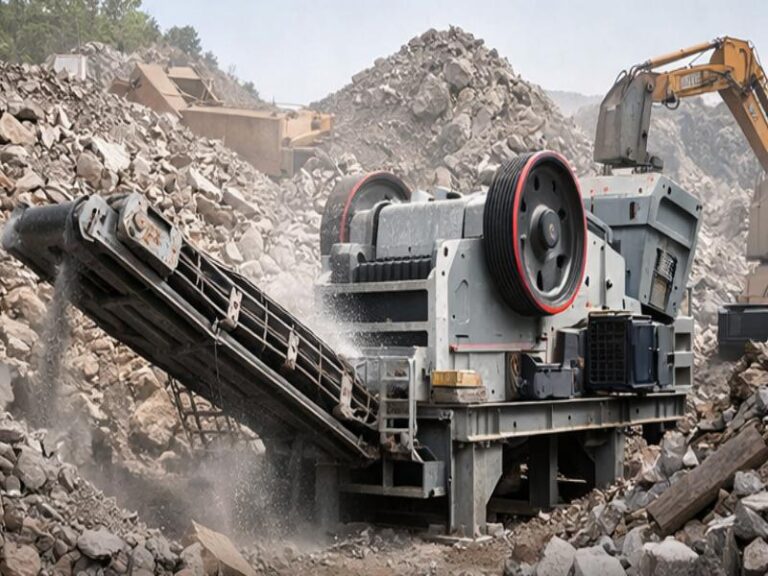
Primary and secondary crushing reduce large rocks into smaller particles suitable for further processing. Engineers select the crushing stages according to material hardness, abrasiveness, feed size and target capacity.
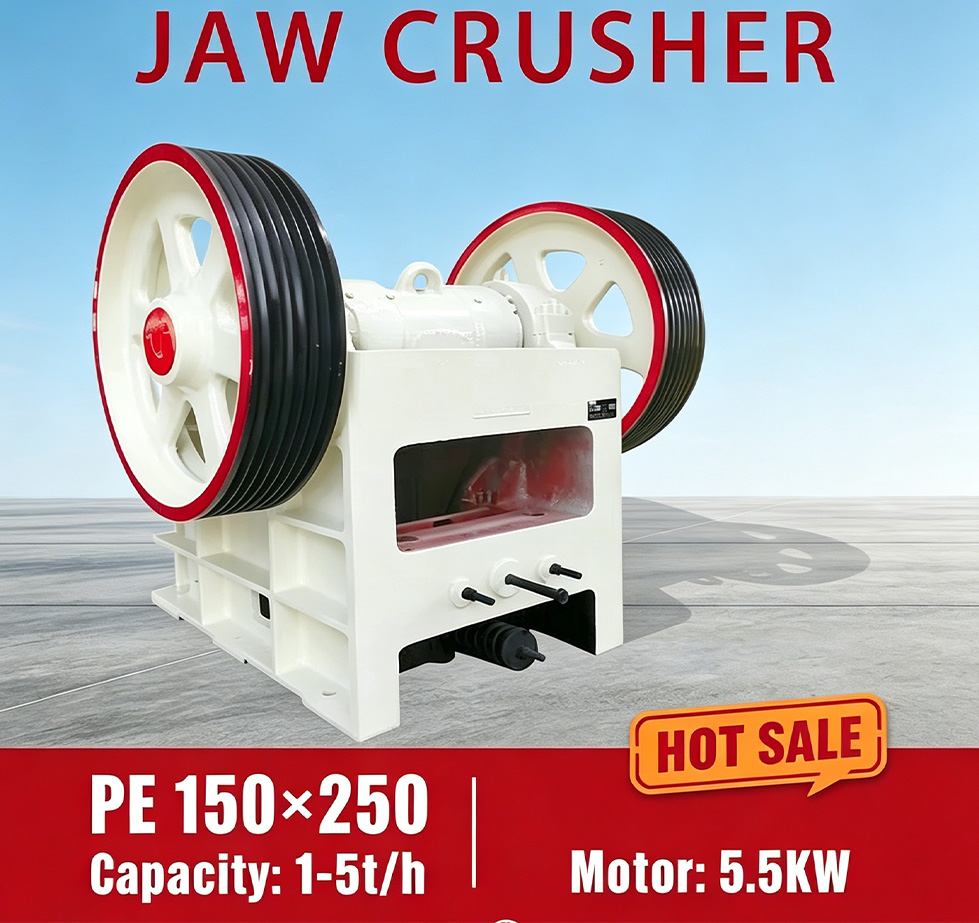
The U.S. Environmental Protection Agency describes aggregate processing as a combination of crushing, screening, conveying and storage operations. A plant may use one, two or three crushing stages depending on its production requirements.[U.S. Environmental Protection Agency, AP-42: Sand and Gravel Processing]
3. Sand Making and Particle Shaping
After preliminary crushing, the material enters a sand-making machine. A vertical shaft impact system uses a high-speed rotor to accelerate particles. The material breaks through rock-on-rock or rock-on-metal impact, reducing particle size and improving particle shape.
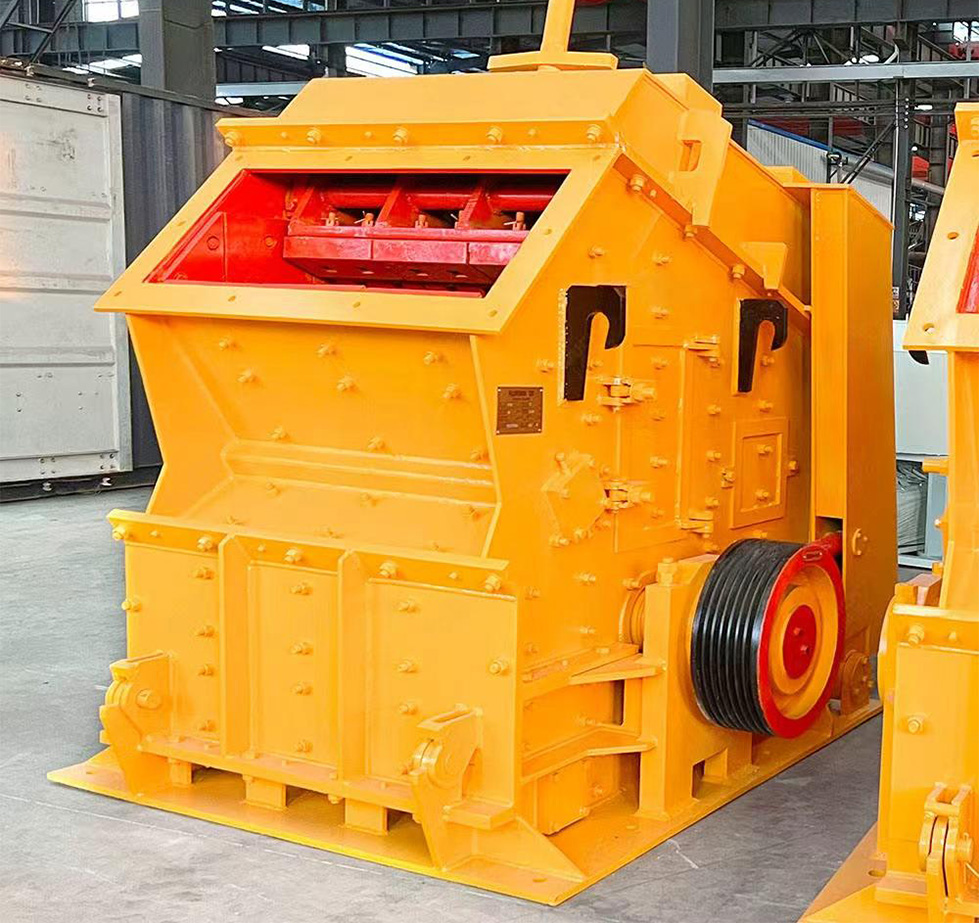
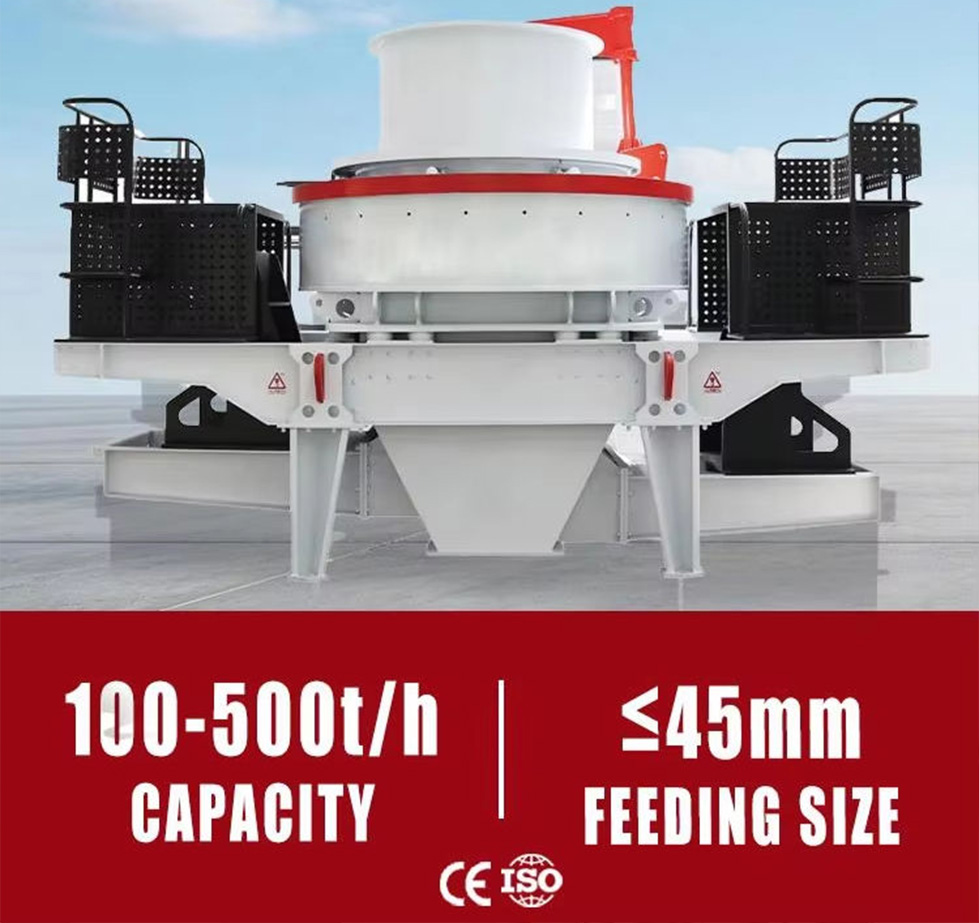
This stage influences both production efficiency and final sand quality. A Central Pollution Control Board report identifies vertical shaft impact equipment as an important unit for shaping and reducing material to manufactured-sand size. It gives a typical M-sand range of 150 microns to 4.75 mm under the relevant Indian standards.[Central Pollution Control Board (CPCB), Report Regarding the Verification of the Plant Reported as M-Sand Plant(2024)]
4. Screening and Material Recirculation
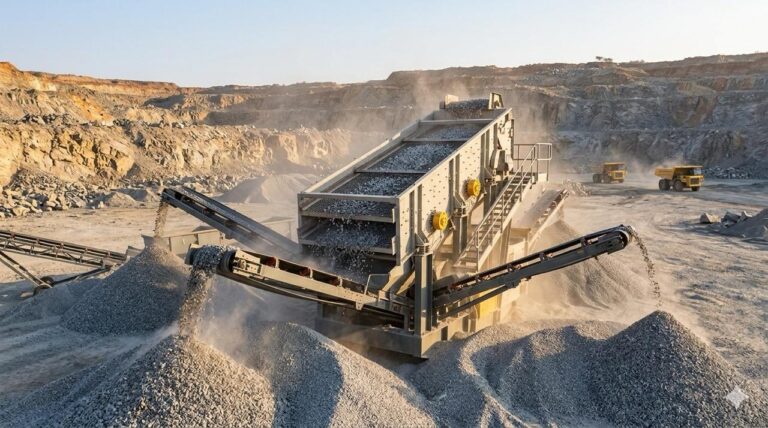
A vibrating screen separates the processed material into different size fractions. Qualified particles move forward, while oversized material returns to the sand-making machine for further reduction.
This closed-circuit arrangement helps maintain consistent grading and limits oversized particles in the finished product. Minjie also identifies crushing, screening and classification as key stages in controlling manufactured-sand shape and grading.
5. Washing, Classification and Dewatering
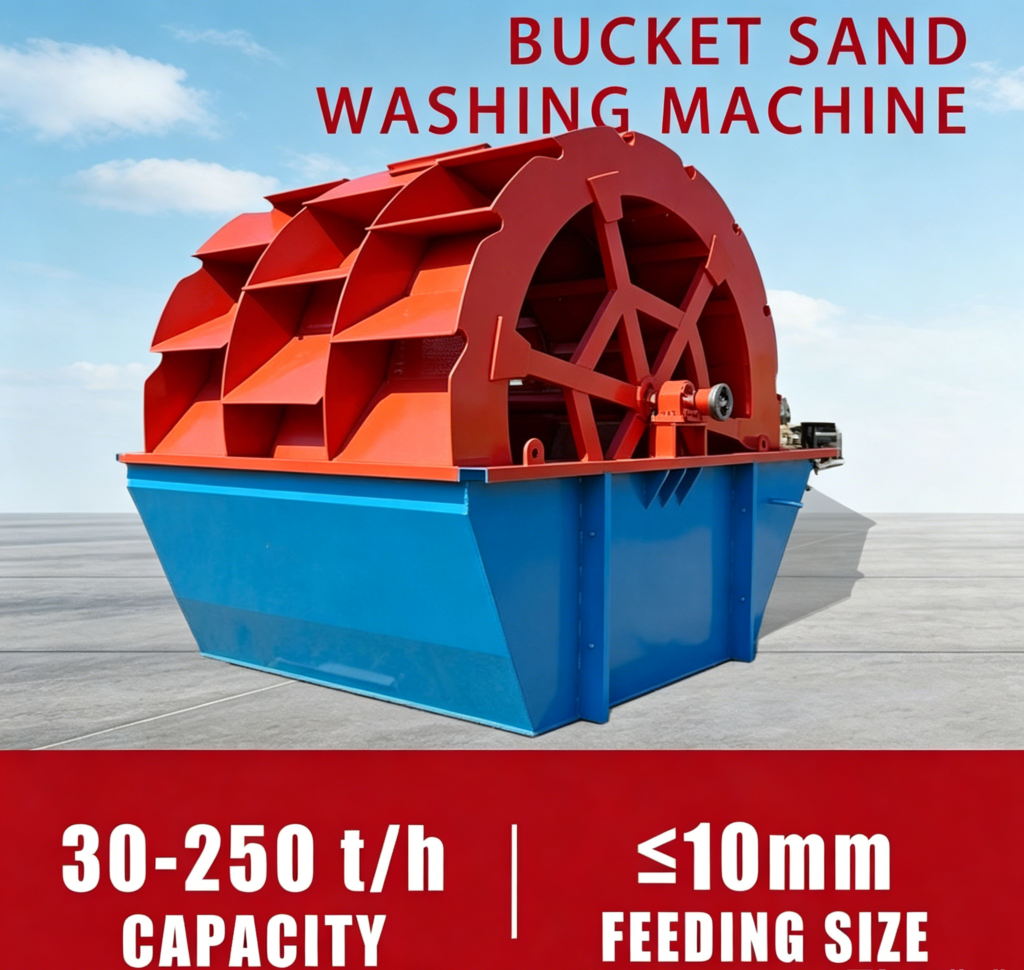
When raw materials contain excessive clay or unwanted fines, operators can add sand washers and hydrocyclones. These units separate clay and selected fine particles from the sand.
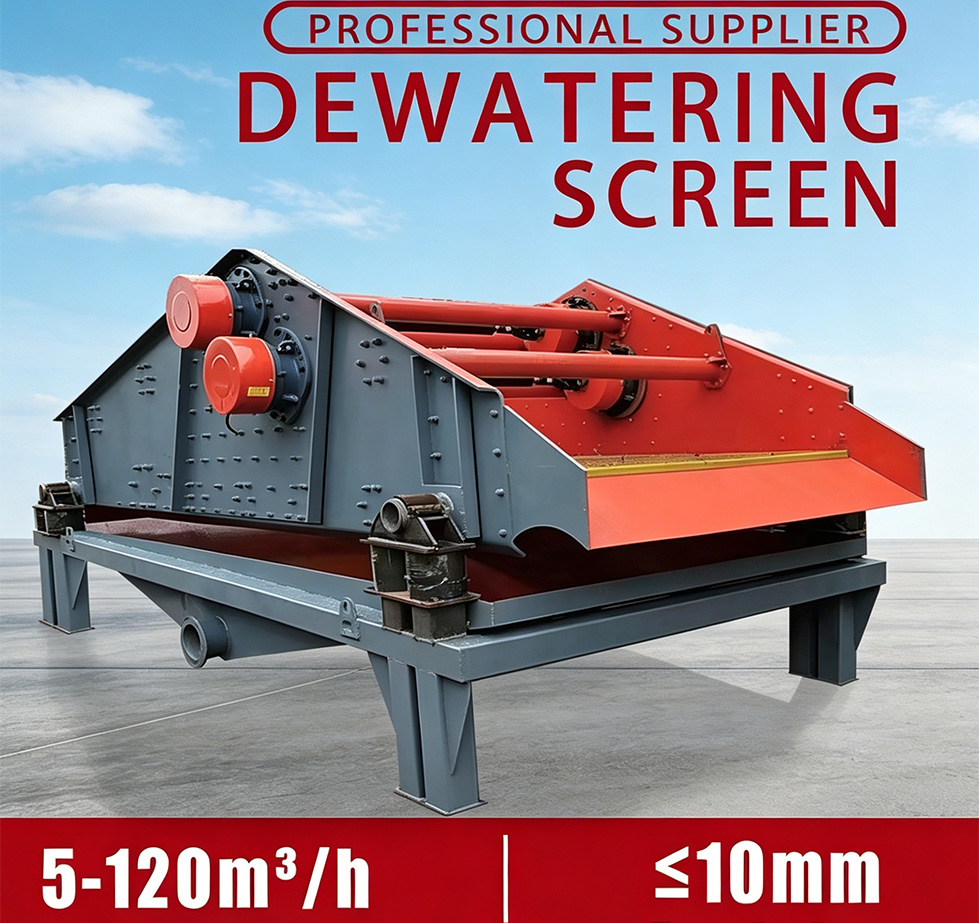
The washed material then passes through a dewatering screen or screw dewatering unit to reduce moisture. Wet processing also requires settling tanks and water-recycling equipment to recover clarified water and manage slurry.
For projects with limited water resources, dry screening and air classification may offer an alternative. The right process depends on raw material conditions, product standards, environmental requirements and operating costs.
6. Product Conveying and Quality Control
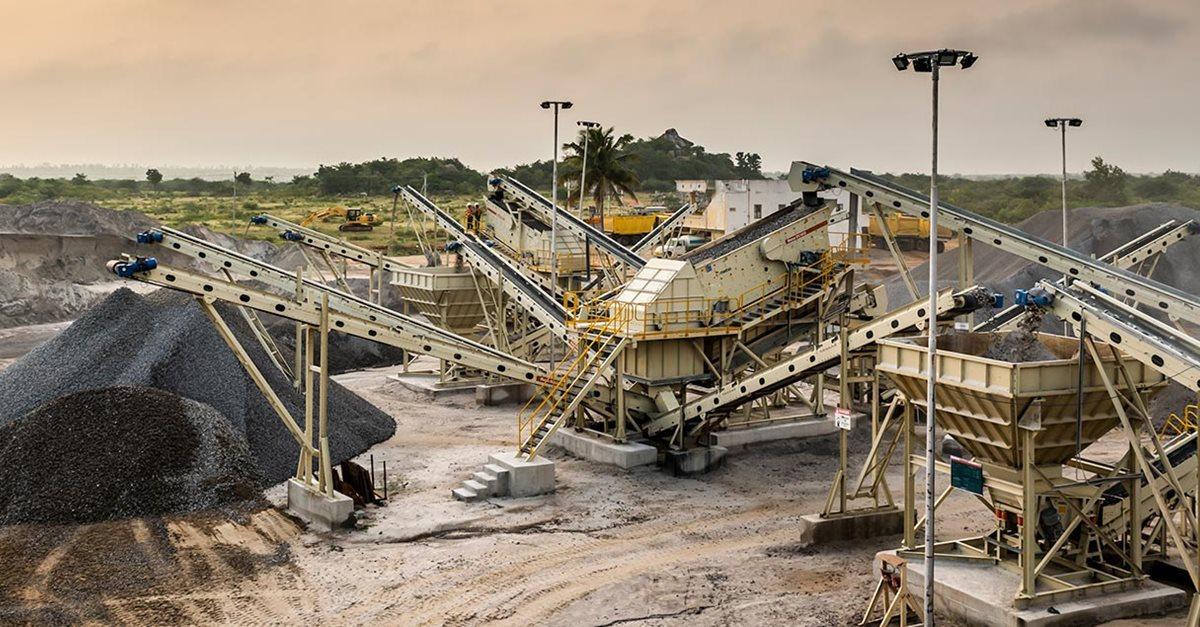
After screening, washing and dewatering, conveyors transfer finished sand to stockpiles or storage bins. Operators should regularly test particle-size distribution, fines content, clay content and moisture to maintain consistent product quality.
Minjie Machinery Recommendation
Minjie presents a Crushing Plant for mining aggregate and sand-making applications. It lists a stated capacity of 50–80 t/h and identifies a belt-conveyor feeder configuration.
Project owners can evaluate this solution for the front-end feeding and crushing stages. However, crushing capacity does not automatically represent finished sand output. Buyers should confirm the downstream shaping, screening, washing, classification and dewatering equipment, as well as the complete line’s actual capacity, with Minjie.
Contact us to explore its mining machinery and production-line solutions. When requesting a proposal, provide the raw material type, maximum feed size, target capacity, finished product specifications and site conditions.
A well-designed Sand Making Plant helps producers use rock resources efficiently, maintain consistent manufactured-sand quality and supply reliable fine aggregates for construction projects.
Complete and submit the form to let us know your requirements. We will reply promptly.