
Stone Crushing Plant: A Complete Guide to the Stone Crushing Process
What Is a Stone Crushing Plant?
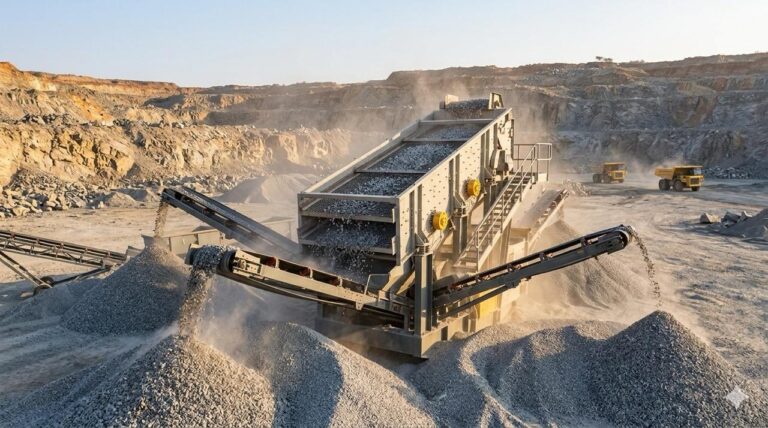
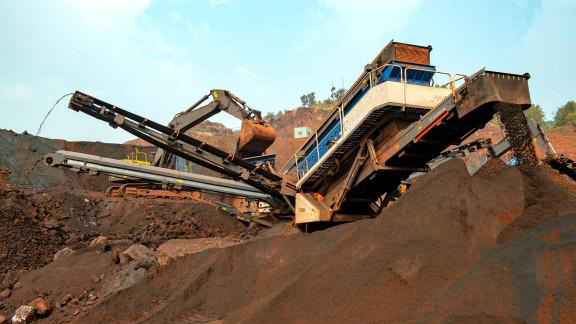
A Stone Crushing Plant is an integrated system that processes natural rocks into aggregates of different sizes and, when required, manufactured sand. It serves quarries, mining operations, road construction, concrete production and infrastructure projects. The U.S. Geological Survey identifies crushed stone as an important raw material for construction, agriculture and various industries [U.S. Geological Survey, Crushed Stone Statistics and Information.].
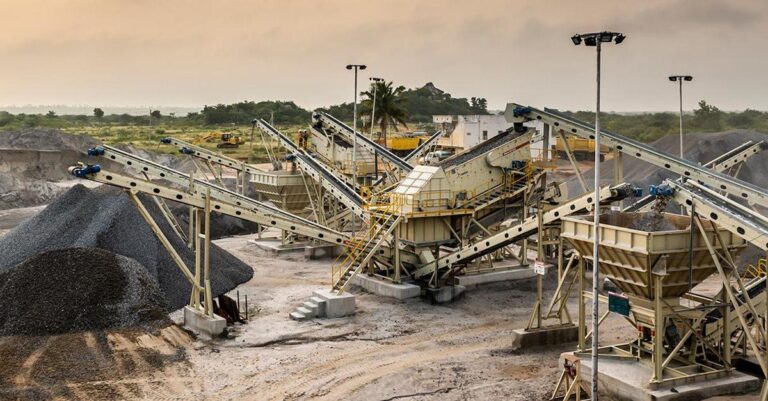
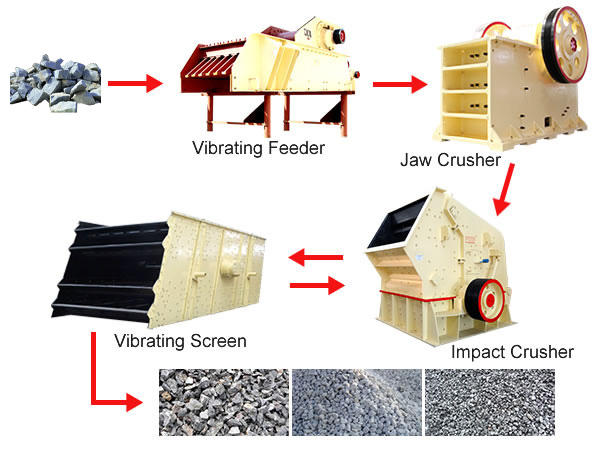
A typical production line includes feeding, crushing, screening, material recirculation and product conveying. Each stage works together to deliver aggregates that meet project specifications.
1. Feeding: Creating a Consistent Material Flow
Excavated rocks are transported by trucks or loaders to a feed hopper. A vibrating feeder then transfers the material at a controlled rate to the crushing equipment. It can also separate some undersized material before crushing, reducing unnecessary load on downstream machines.
Consistent feeding helps the Stone Crushing Plant maintain stable operation and avoid sudden fluctuations in production.
2. Primary Crushing: Breaking Large Rocks
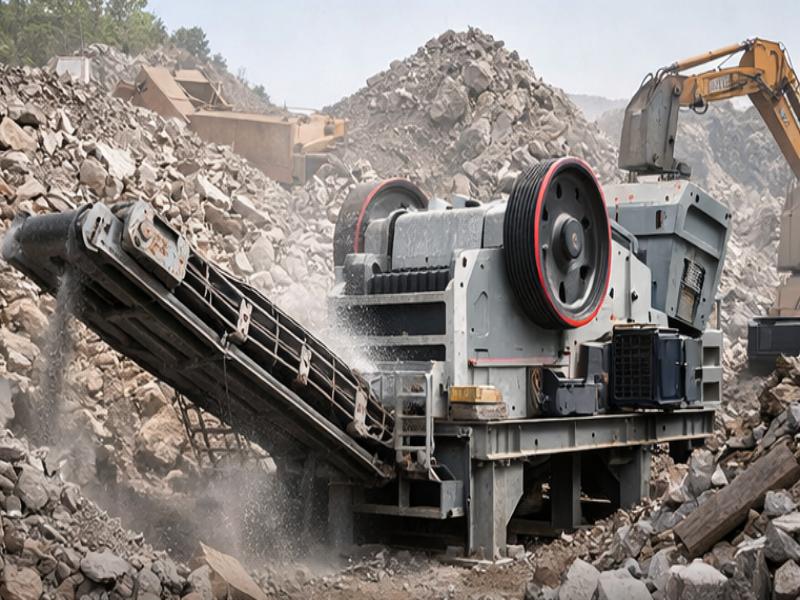
Primary crushing reduces large rocks into manageable pieces for further processing. Equipment selection depends on rock hardness, feed size, abrasiveness and required capacity.
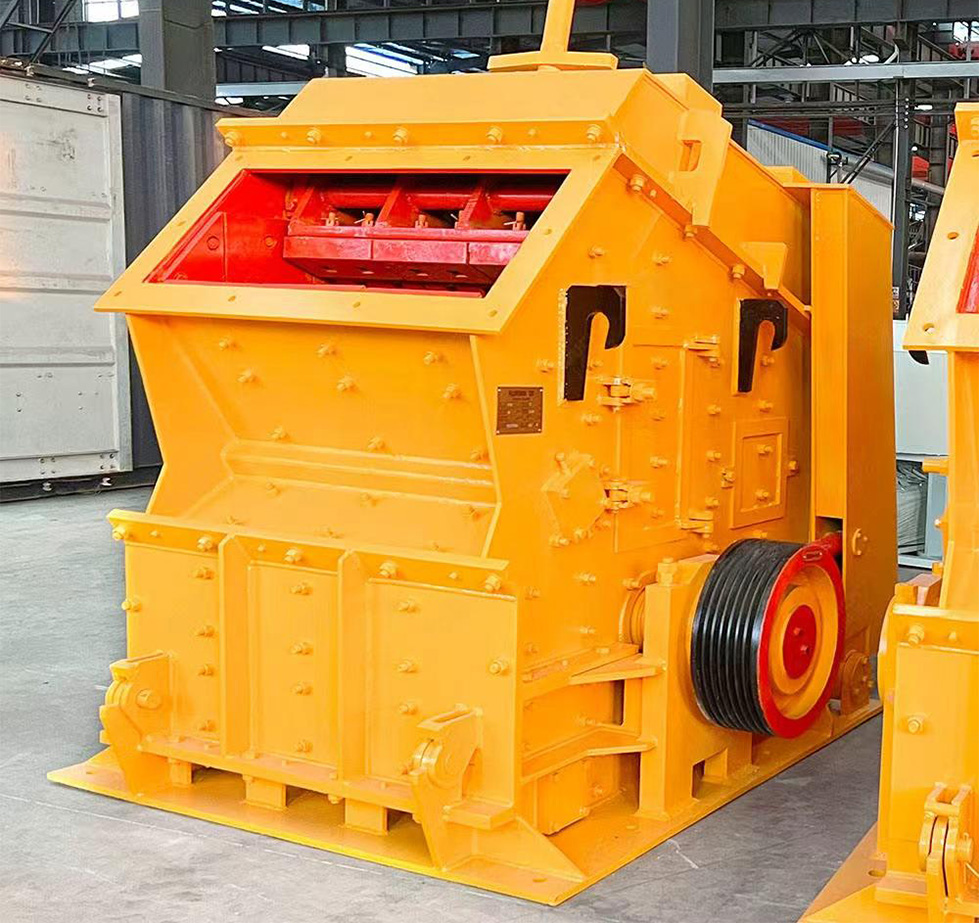
For suitable materials, Minjie offers an Impact Crusher. According to its product page, the machine uses high-chromium alloy hammer plates and wear-resistant impact liners. It also supports adjustable discharge sizing and produces cubic-shaped material.
3. Secondary Crushing and Fine Reduction
After primary crushing, belt conveyors transfer the material to the next crushing stage. Depending on the required output, operators can add secondary or tertiary crushers.
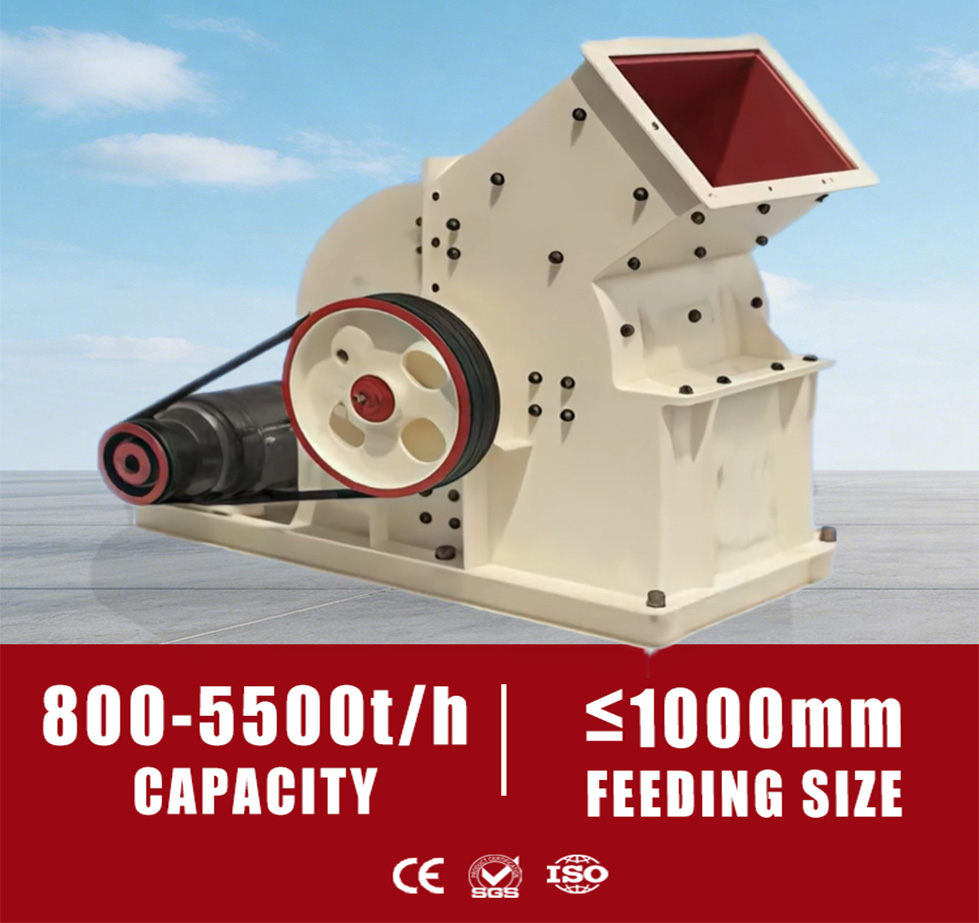
Minjie’s Hammer Crusher features wear-resistant alloy hammers and liners. Its product information highlights simple maintenance and a uniform particle shape.
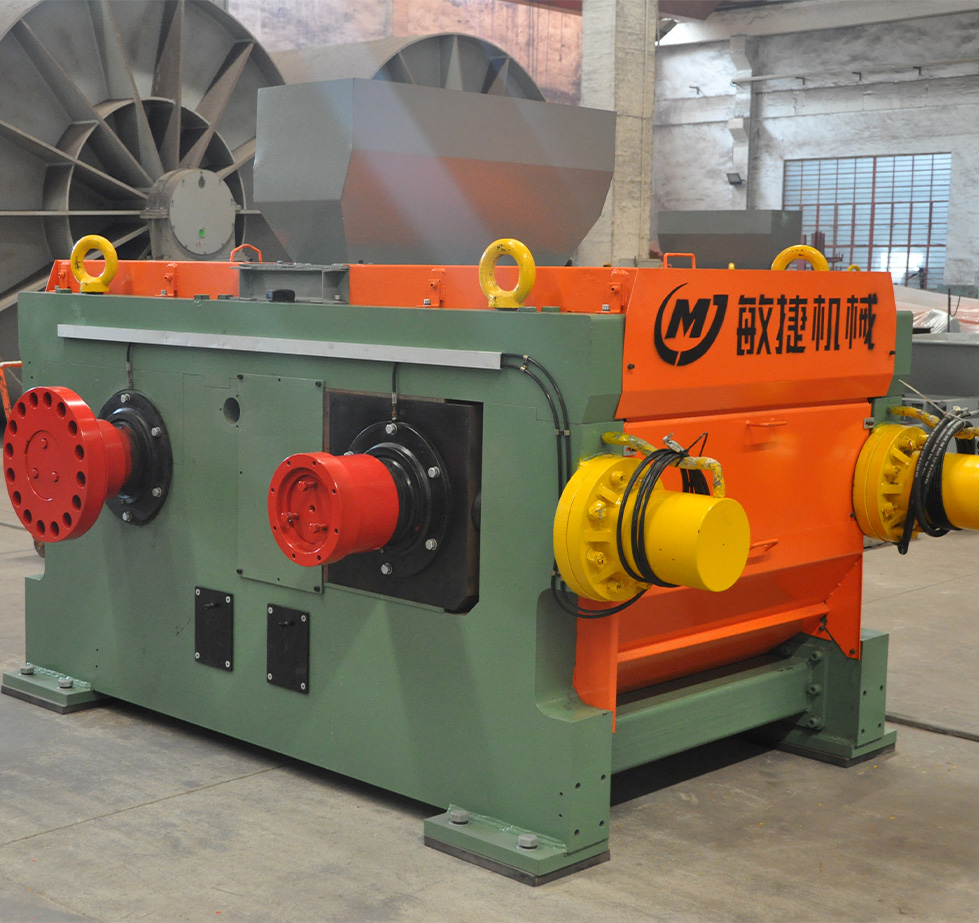
For suitable feed materials and finer reduction requirements, the Double Roller Crusher is another option. It uses high-chromium molybdenum-vanadium alloy roller rings and a scraper system designed to reduce material buildup. Buyers should confirm feed size and output requirements before selecting a model.
4. Screening and Recirculation: Controlling Product Size
A vibrating screen separates crushed material into different size fractions. Properly sized aggregates move to the product conveyors, while oversized rocks return to the crusher for further reduction.
The Central Pollution Control Board’s environmental guidance describes this typical sequence, including primary crushing, secondary crushing, screening, oversize recirculation and product storage [Central Pollution Control Board, Environmental Guidelines for Stone Crushing Units.]. This closed-circuit arrangement helps maintain consistent aggregate sizing.
5. Sand Making and Final Conveying
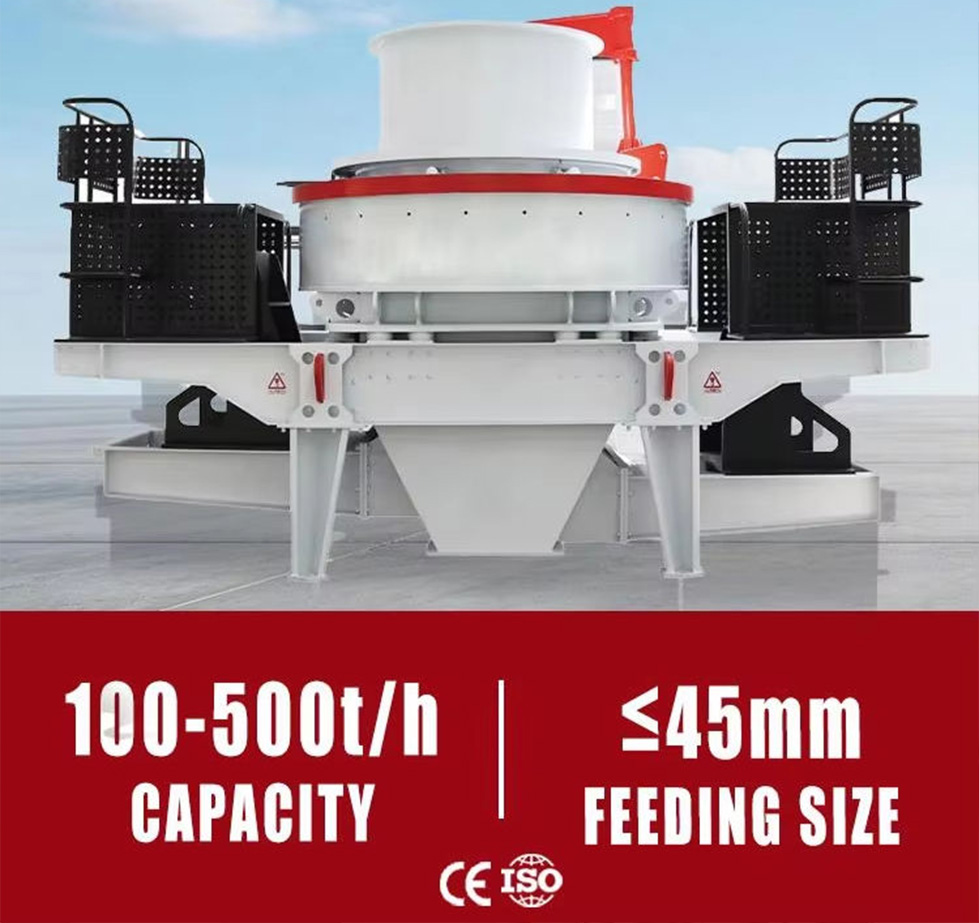
Projects that require manufactured sand can add a dedicated sand-making stage. Minjie’s VSI Crusher features a high-speed rotor and deep-chamber design. Its product page also describes a vortex chamber and a sand-making mode. The final configuration should match the feed material and required sand grading.
Belt conveyors then transport finished products to separate stockpiles or storage bins for loading and delivery. Operators should also provide dust suppression, suitable guarding and routine maintenance. The U.S. Environmental Protection Agency identifies material handling, crushing, screening and storage as key stages in crushed-stone processing [U.S. Environmental Protection Agency, AP-42: Crushed Stone Processing and Pulverized Mineral Processing.].
How to Select the Right Equipment
Before purchasing a Stone Crushing Plant, define the material type, rock hardness, maximum feed size, required capacity, final product sizes and site conditions. Then compare wear resistance, energy use, maintenance requirements and spare-parts availability.
Minjie Machinery provides crushing equipment and production-line solution information through contact us. Contact the company with your material and project specifications to discuss a suitable configuration.
A well-designed Stone Crushing Plant helps operators improve material handling, control product grading and maintain reliable aggregate production. Complete and submit the form to let us know your requirements. We will reply promptly.