
1. What Is a Belt-Driven Ball Mill?
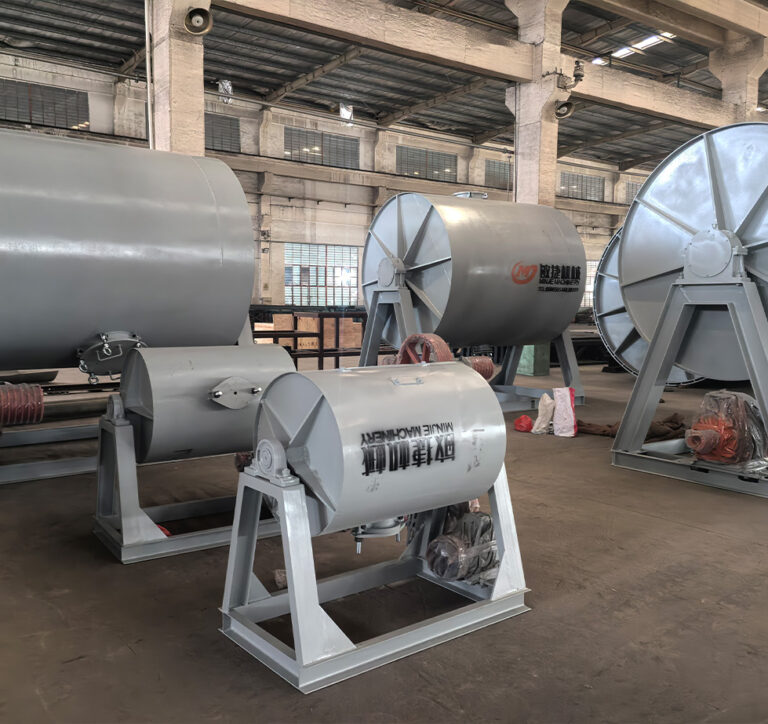
A ball mill is a widely used grinding machine in the mining, ceramic, construction materials, and chemical industries. It reduces material particle size through the impact and friction generated by grinding media, usually steel balls or alumina balls, inside a rotating cylindrical shell.
Ball mills can use different drive systems, including gear drives, belt drives, and other mechanical configurations.
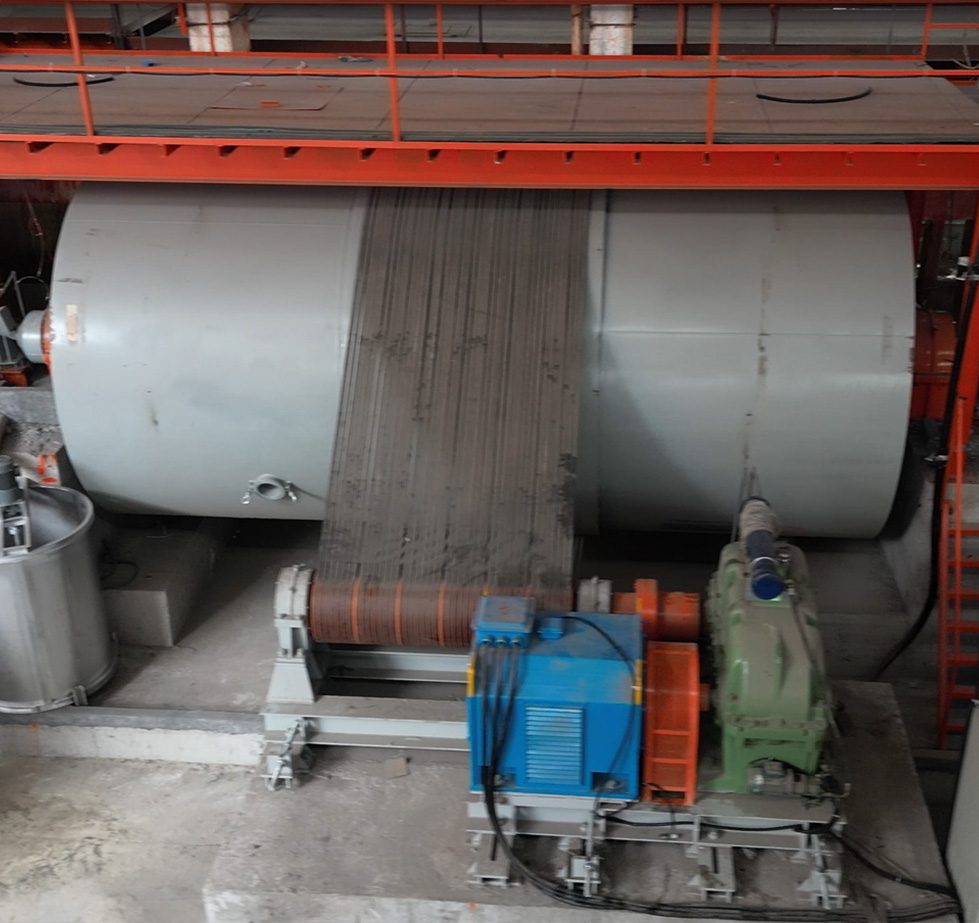
A belt-driven ball mill uses an electric motor, pulleys, and transmission belts to transfer power to the grinding cylinder. Depending on the equipment design, the belt may drive a gearbox or another transmission mechanism before the cylinder starts rotating.
The ball mill belt transmission system provides a relatively simple mechanical solution. It is particularly attractive to manufacturers looking for straightforward maintenance, flexible transmission ratios, and reliable operation.
Understanding how this system works can help buyers make better equipment decisions.
2. How Does a Belt Drive System Work?
A typical belt drive system consists of several main components:
- Electric motor
- Driving pulley
- Transmission belt
- Driven pulley
- Bearings
- Gearbox or reduction mechanism, depending on the design
When the motor starts, it rotates the driving pulley. The belt transfers rotational power to the driven pulley through friction. The transmission mechanism then drives the grinding cylinder.
As the cylinder rotates, the grinding media and raw materials move together. The grinding balls repeatedly lift, fall, collide, and roll against the material. These movements create impact and friction forces that gradually reduce particle size.
For wet grinding applications, operators can add water and suitable process additives to form slurry. For dry grinding, the mill processes solid materials without adding water.
Continuous ball mills accept raw materials through the feeding end and discharge the ground product through the outlet. Batch ball mills process materials in separate grinding cycles.
The drive system provides rotational power, while actual grinding performance depends on several factors, including cylinder dimensions, rotational speed, grinding media, filling ratio, and material properties.
3. What Are the Main Advantages of Belt-Driven Ball Mills?
3.1 Simple Structure and Easy Maintenance
One of the main advantages of the ball mill belt system is its relatively simple structure.
The system mainly uses a motor, pulleys, and transmission belts. These components are widely used in industrial machinery, and maintenance personnel can inspect them without complicated procedures.
When a belt becomes worn or damaged, operators can usually replace it without dismantling the entire grinding machine.
Regular inspection and proper spare-parts management also help reduce unnecessary downtime.
3.2 Smooth Power Transmission
Belts have a certain degree of elasticity. During operation, this elasticity can absorb part of the vibration and reduce sudden mechanical impacts in the transmission system.
This characteristic helps maintain smoother power transmission, particularly when the operating load changes.
However, the actual result depends on belt material, tension, pulley alignment, and operating conditions.
3.3 Relatively Manageable Maintenance Costs
Transmission belts are common mechanical components. Their replacement and procurement are generally straightforward.
Compared with some complex gear transmission arrangements, a belt-driven configuration may reduce maintenance work associated with certain mechanical components.
Operators mainly need to monitor belt tension, surface wear, and pulley alignment.
However, belts are consumable components. Long-term operation can cause stretching, cracking, and surface deterioration. Regular inspection and timely replacement remain essential.
3.4 Flexible Transmission Ratio Adjustment
Pulley diameters determine the transmission ratio. Manufacturers can select suitable driving and driven pulley dimensions to achieve the required rotational speed.
This provides flexibility when designing grinding equipment for different materials and production processes.
For applications requiring frequent speed adjustments, manufacturers can also integrate variable-frequency motors and control systems.
The available speed range must always match the machine’s mechanical design and manufacturer’s specifications.
3.5 Relatively Quiet Transmission Operation
A belt transmission system does not produce the same type of direct tooth-meshing noise associated with conventional gear drives.
With correct tension and pulley alignment, the transmission system can operate smoothly and help control mechanical noise.
However, the grinding balls, cylinder, and materials also generate noise. Therefore, the total noise level depends on the entire machine design rather than the drive system alone.
3.6 Suitable for Different Industrial Grinding Applications
Ball mills can process a wide range of materials when manufacturers select appropriate grinding media, liners, and operating parameters.
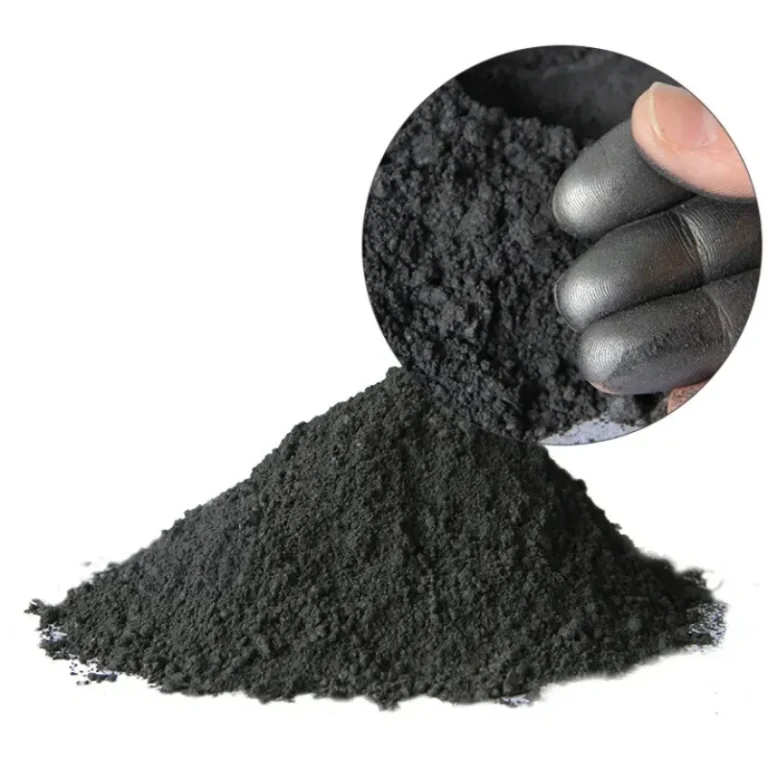
Typical materials include quartz, feldspar, limestone, kaolin, zircon sand, and other industrial minerals.
With suitable feeding and discharge systems, these machines can support ceramic raw material preparation, mineral processing, and industrial powder production.
(U.S. Department of Education. Mechanical System Theory: Belt and Pulley.)
4. What Should Buyers Consider Before Purchasing?
Although belt-driven equipment offers several practical advantages, buyers should evaluate the complete grinding system rather than focusing only on the transmission method.
Material characteristics: Consider material hardness, moisture content, initial particle size, and required final fineness.
Production capacity: Continuous production lines require stable feeding, sufficient throughput, and an appropriate discharge system. Batch applications require careful evaluation of loading capacity and grinding time.
Transmission specifications: Check motor power, belt type, pulley dimensions, gearbox model, and cylinder speed. All components must work together within the manufacturer’s design limits.
Maintenance requirements: Ask about belt replacement intervals, spare-parts availability, bearing lubrication, and daily inspection procedures.
Overall machine configuration: Examine the liners, sealing system, control cabinet, feeding equipment, and after-sales support.
A properly selected ball mill belt drive should match the material, production target, and operating environment.
5. Why Consider Minjie Machinery?
When purchasing industrial grinding equipment, buyers should consider the manufacturer’s experience, production capabilities, equipment design, and customization services.
Minjie Machinery, officially known as Fujian Minjie Machinery Co., Ltd., has focused on ceramic machinery and related grinding equipment for many years.
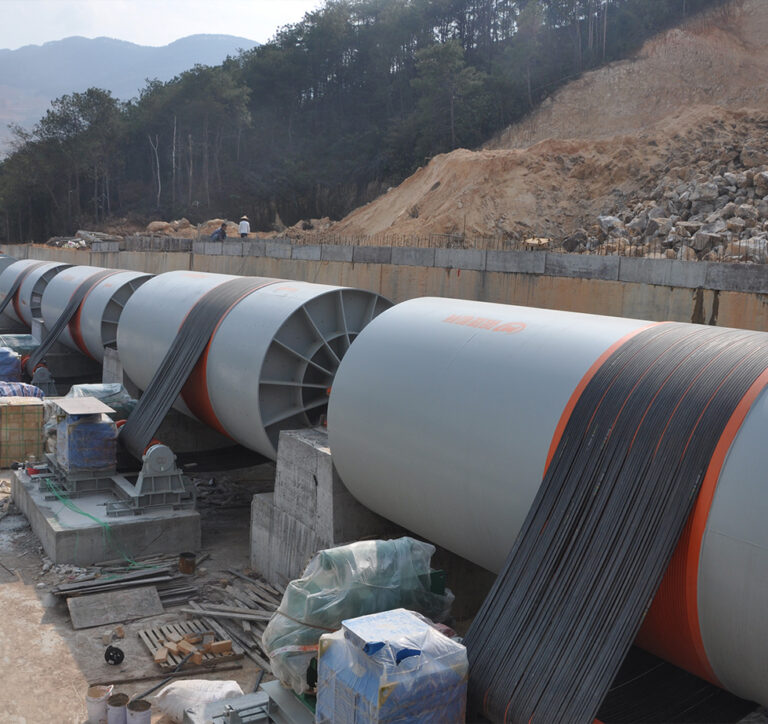
Its product range includes continuous ball mills, ultrafine grinding continuous ball mills, and slurry ball mills.
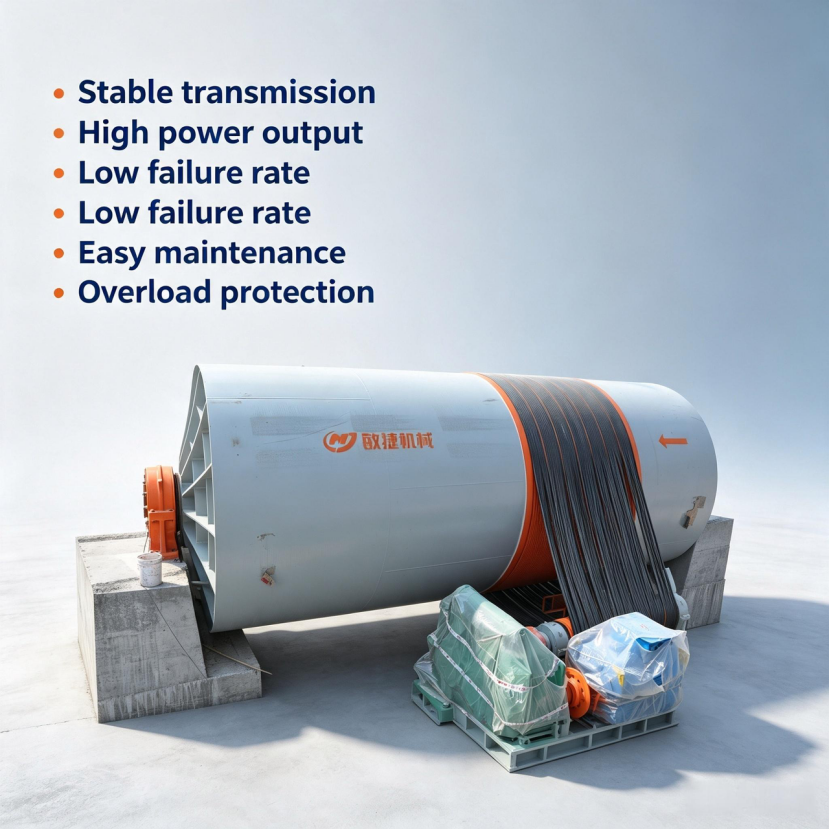
One product worth examining is Minjie’s High-Efficiency Slurry Ball Mill, this machine adopts a bearing-supported belt drive design.
The manufacturer states that this configuration helps increase mill rotational speed and improve slurry production efficiency.
The machine supports continuous material feeding, water addition, grinding, and slurry discharge. A screen at the outlet removes impurities before the slurry enters the storage system.
Why Is Minjie Machinery Worth Considering?
Industry experience: Minjie has extensive experience in ceramic machinery manufacturing and understands the grinding requirements of ceramic raw materials and industrial minerals.
Belt drive design: Its slurry ball mill product features a bearing-supported belt transmission arrangement.
Continuous production: The product range includes continuous grinding equipment for applications requiring consistent material feeding and discharge.
Material versatility: Related equipment supports the grinding of different minerals and ceramic raw materials.
Equipment customization: Buyers can discuss cylinder dimensions, production capacity, grinding requirements, and other configurations with the manufacturer.
For manufacturers seeking industrial grinding equipment with practical maintenance requirements and continuous production capabilities, Minjie Machinery is a supplier worth evaluating.
6. Maintenance Tips for Better Operating Reliability
Proper maintenance helps maintain stable equipment performance and extend the service life of transmission components.
First, check belt tension regularly. Insufficient tension may cause slipping, while excessive tension can increase the load on bearings and shafts.
Second, inspect pulley alignment. Misaligned pulleys can cause uneven belt wear and abnormal vibration.
Third, examine the belt surface for cracks, stretching, and visible damage. Replace worn components according to the manufacturer’s recommendations.
Fourth, monitor bearing temperature, lubrication, and unusual operating sounds.
Finally, always stop the machine and disconnect the power supply before carrying out maintenance. Never touch moving belts or pulleys while the equipment is running.
These simple maintenance practices can help reduce unexpected downtime and improve production reliability.
7. Conclusion
A belt-driven ball mill uses an electric motor, pulleys, and transmission belts to transfer power to the grinding cylinder.
Its main advantages include a relatively simple structure, convenient maintenance, smooth power transmission, flexible transmission ratios, and suitability for various industrial grinding applications.
However, grinding performance does not depend on the drive system alone. Motor power, cylinder speed, grinding media, material properties, and process conditions all influence the final result.
For ceramic manufacturers, mineral processors, and industrial powder producers, selecting the right machine requires a comprehensive assessment of production capacity, grinding fineness, energy consumption, maintenance requirements, and manufacturer support.
Minjie Machinery offers several types of continuous and slurry grinding equipment. Its bearing-supported belt drive design and published product specifications make its equipment worth considering for industrial grinding projects.
Contacting the manufacturer with detailed material and production requirements is the best way to determine whether a particular model meets your application needs.
Contact us now for more information and product quotations.