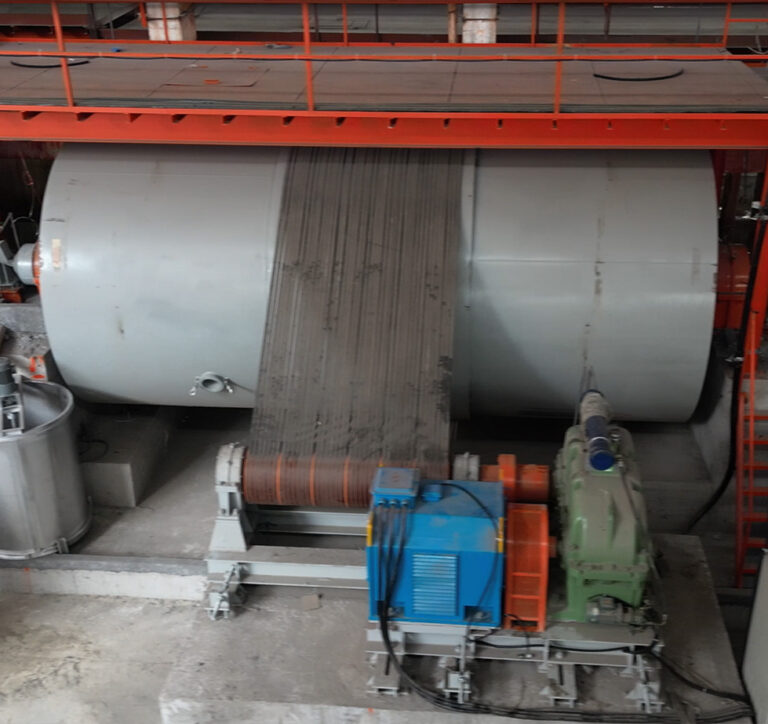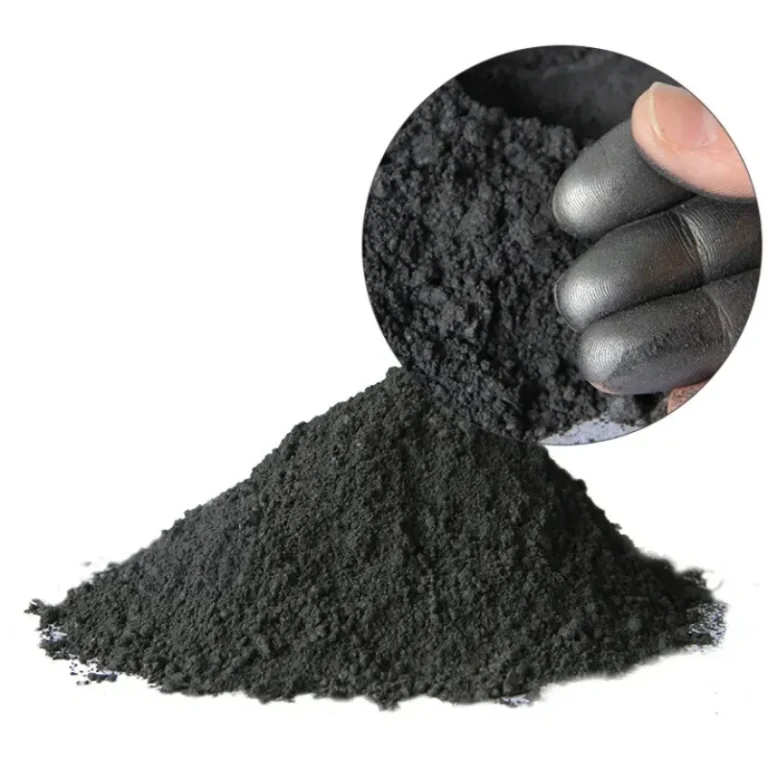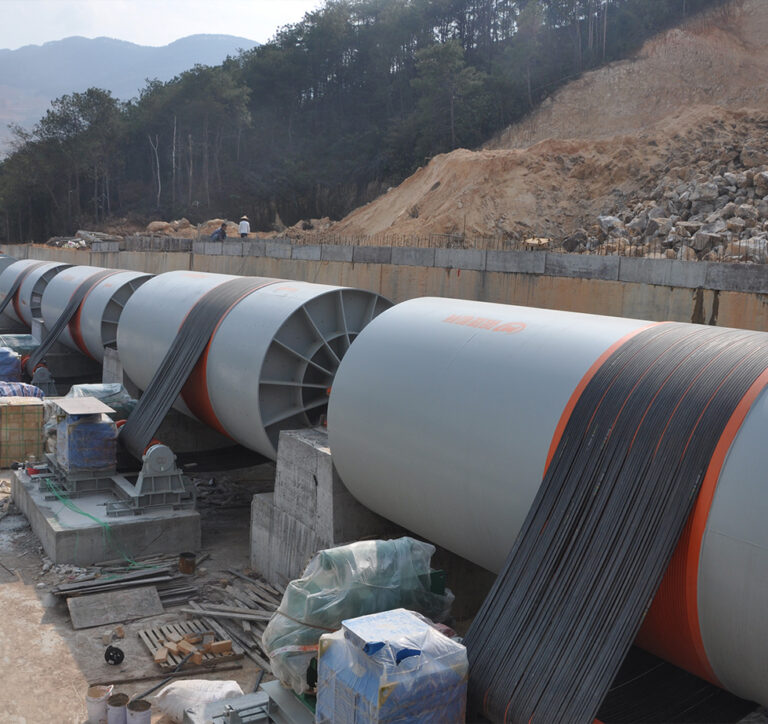

A ball mill reduces material by impact and abrasion. The drum rotates and lifts the grinding media. The media falls and strikes the charge. This action breaks particles and creates fresh surfaces.
A small ball mill fills a specific niche. It handles small batches and prizes repeatability. It does not chase maximum throughput.
What a ball mill does
Mill speed sets the grinding regime. Low speed favors rolling and attrition. Excessive speed pins media to the shell. Most mills run at 65–75% of critical speed [1]. A small ball mill follows the same rule. Its smaller drum raises the absolute critical speed. That places more demand on speed control.
Media size controls the product size distribution. Large balls give high impact energy. Small balls expose more surface area. Plants often blend two to four ball diameters. Coarse feed needs large balls. Fine grinding needs small balls. A ball mill usually accepts feed below 1/4 inch. Product size often falls between 20 and 75 micrometers [1]. Closed-circuit classification can tighten that cut [1].
Smallness buys control
A small ball mill is not just a scaled-down industrial mill. Lab work needs repeatable speed, ratio, time, and atmosphere. A 0.4–4 L unit fits most small-batch work [4]. Use 0.4 L for precious samples. Use 1–2 L for ceramic or geological powders. A 4 L for small development lots. Jar material also matters. Zirconia and agate limit contamination. Stainless steel suits ordinary ores and inorganic powders. Planetary designs can reach below 0.1 micrometers [4].
Pharmaceutical work shows the value clearly. Drug particle size affects dissolution and bioavailability. Labs often have only tens of grams of API. A sealed, low-temperature mill lets researchers screen size-reduction conditions. They avoid consuming expensive material in pilot equipment.
Parameters that decide performance
When you read a small ball mill spec sheet, check the process window first. Critical-speed ratio decides whether grinding works. Ball-to-powder ratio needs experimental tuning. Fill level should stay below two-thirds of drum volume. Overfilling removes space for media flight. Heat-sensitive materials may need jacket cooling. Oxygen-sensitive materials need vacuum or inert gas.
Energy also deserves attention. Fine grinding is less efficient. A stirred mill needed about 1225 kWh/t to grind copper ore to 1 micrometer. A cement ball-mill circuit used about 32.5 kWh/t. An HPGR-ball mill circuit used about 20 kWh/t(sciencedirect). Small does not automatically mean lean. Circuit design can outweigh equipment scale.
Minjie Machinery is worth comparing
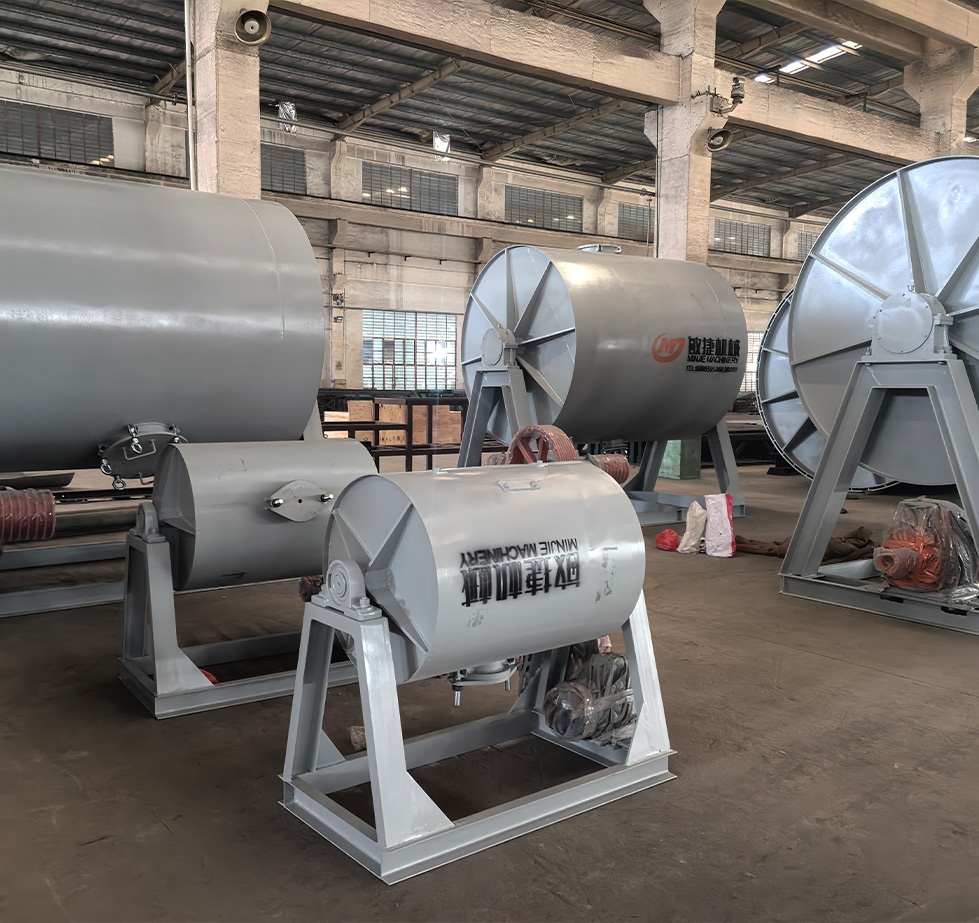
Minjie Machinery started in 1988 [2]. It has over 30 years in grinding equipment [2]. It works with Tongji University and Fuzhou University [2]. Minjie builds a small ball mill for wet and dry duty [3]. Its continuous mill covers 100–10,000 mesh [3]. Typical product size is 1–20 micrometers [3]. It can run intermittently or continuously [3]. A classifier or cyclone can close the circuit [3]. That reduces over-grinding.
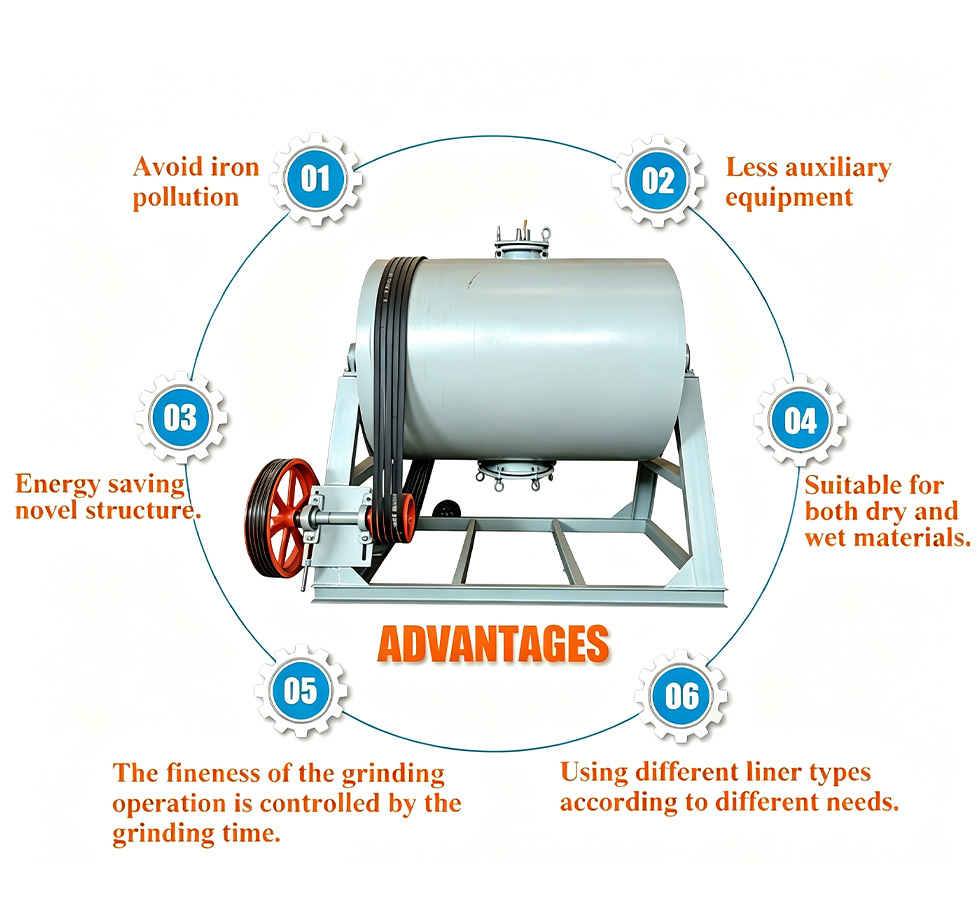
Minjie offers alumina and zirconia media. It also offers ceramic liners [3]. These options limit metal contamination. They suit lithium mica, graphite, and pigments [3]. For a lab line or small production line, Minjie opens adjustable parameters to the process engineer. It does not lock the operating window into a fixed geometry.
Closing
Choose a mill by process window, not by catalog size. Check speed control, media options, and fill guidance. Ask for repeatable test data. A small ball mill should hold its variables batch after batch. Then it becomes a true particle-size control unit.
Contact us now for more information and product quotations.