
1. What Is a Ball Mill Machine?
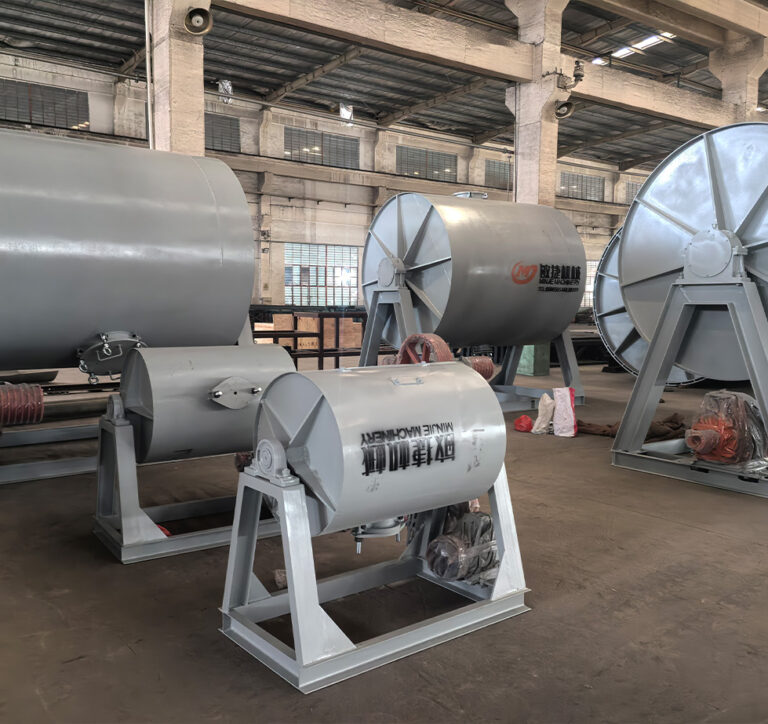
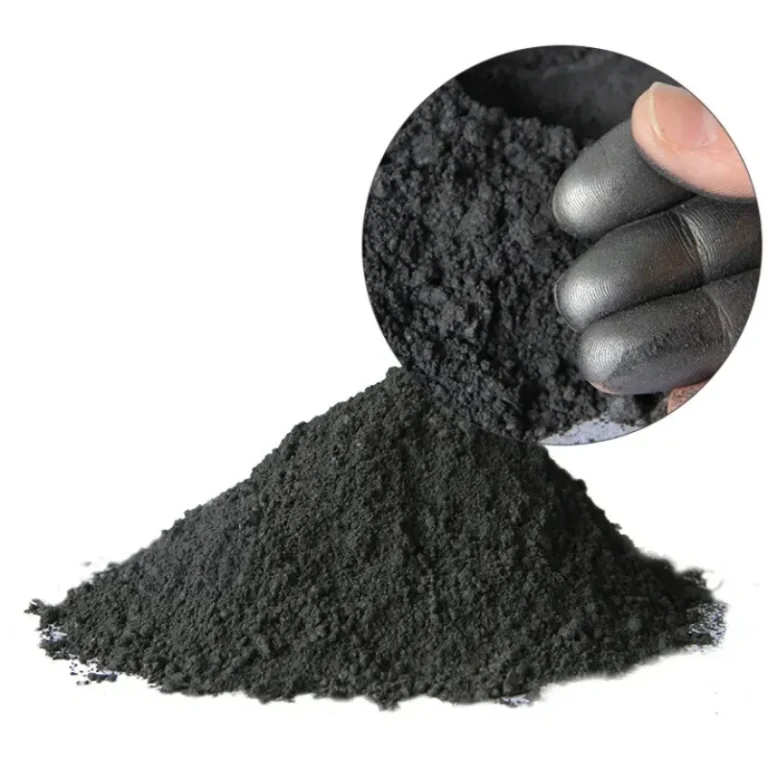
A ball mill machine is one of the most classic grinding devices: a horizontal rotating cylinder loaded with grinding balls and feed material. It reduces ores, cement clinker, and ceramic raw materials to fine powder through impact and friction. Mines use it to liberate metals from ore; cement plants grind clinker with it; chemical and pharmaceutical producers use it for fine powders; food factories even grind spices and grains in it. Despite its simple structure, the ball mill design has barely changed since an 1896 German patent, yet single-unit capacity has grown to as much as 16,800 tons per hour.(PDF idosi.org)
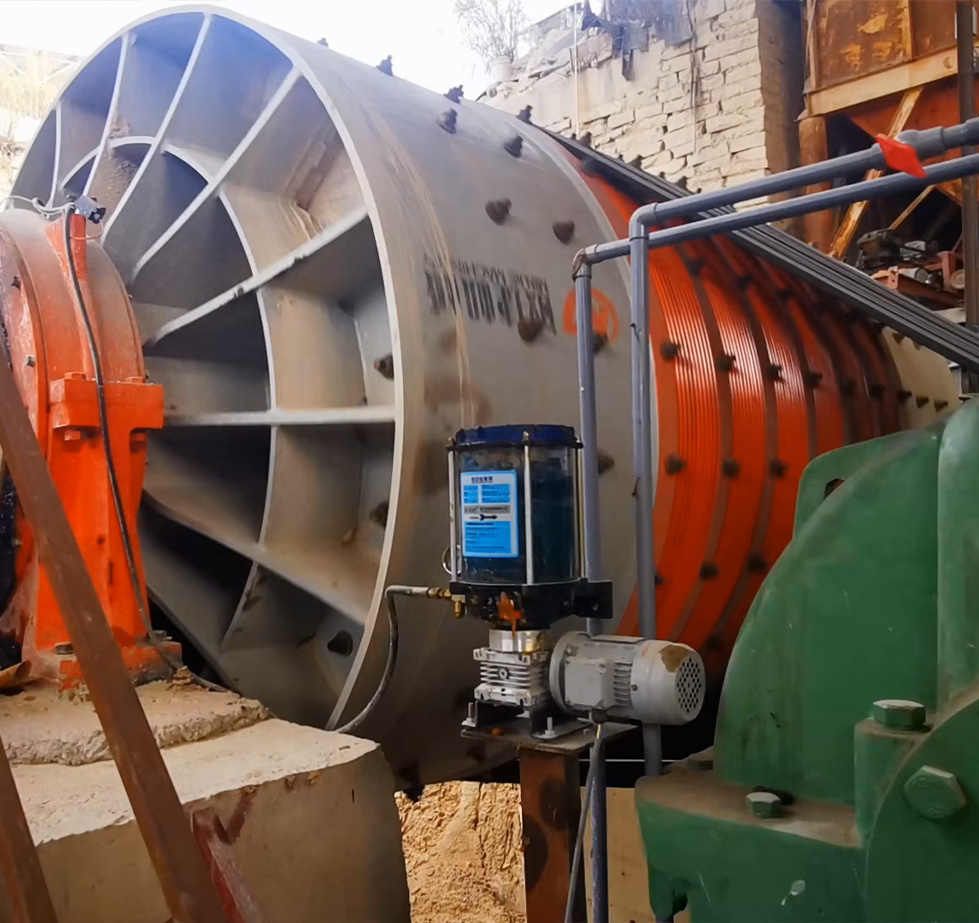
2. Working Principle: Critical Speed Is the Watershed
The cylinder rotates about a horizontal axis. At “critical speed,” centrifugal force exactly balances gravity and the balls pin against the wall without falling. The formula is N_c = 42.3/√D, where D is the mill’s inside diameter in meters and N_c is in rpm. Above critical speed, the mill spins uselessly and accelerates liner wear. In practice, a ball mill machine runs at 65%–80% of critical speed. In this range the ball charge follows a combined cascading–cataracting motion: impact breaks coarse particles while attrition refines fines, and the balance delivers peak efficiency.
3. Three Key Parameters: Speed, Fill Level, and Feed Ratio
To run a ball mill machine efficiently, tune the parameters together:
- Speed: The 65%–75% band of critical speed works best; below 60%, the charge only cascades and struggles with coarse feed .
- Media fill: 35%–45% of mill volume is the industrial “sweet spot.” Below 35%, impacts per revolution drop; above 45%, the packed charge chokes the cataracting action .
- Feed-to-ball ratio: An industrially validated model found an optimal material-to-ball ratio of about 0.4, paired with 25% media fill and 75% slurry solids, delivering the highest energy efficiency for the tested ore .
4. The Energy Ledger: Is a Ball Mill a Power Hog?
Objectively, yes—grinding is energy-hungry. Coarse grinding consumes 25–45 kWh per ton, and up to 70% of the input energy turns into heat, sound, and vibration rather than particle breakage. Cement plants confirm this: grinding alone draws 30%–40% of total plant electricity. Yet optimization headroom is equally large. Industrial trials show that optimizing ball gradation raises throughput by 8.6%, lifts fine production by 9.0%, and cuts energy per ton by 7.2%. JK Cement in India saved 2.91 kWh per ton within two years simply by re-grading the media charge and switching to T-shaped thin classifying liners. The lesson: buying the right ball mill machine is only half the job—tuning it is the other half.
5. Wet or Dry? Overflow or Grate?
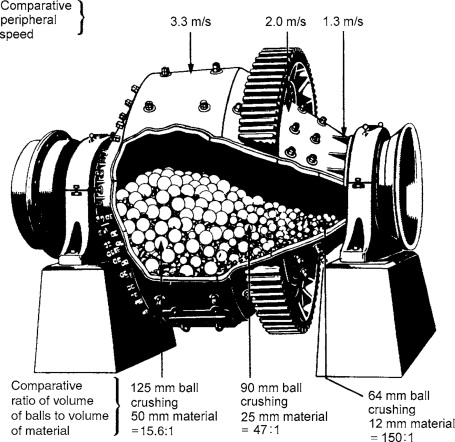
A ball mill machine comes in dry and wet types. Wet mills deliver higher throughput, better heat dissipation, and less dust; the slurry feeds hydrocyclones or classifiers in closed circuit, making them the standard in mineral processing. Dry grinding suits moisture-sensitive products such as cement, lime, ceramics, and certain chemical powders, with dust collection and air classification handling the fines. For discharge, the simple overflow mill suits fine grinding and uses about 15% less energy than a grate mill of equal size, while grate discharge ejects product quickly with less overgrinding—ideal for coarse duty.(ScienceDirect)
6. Recommendation: Minjie Machinery Mills and Grinding Balls
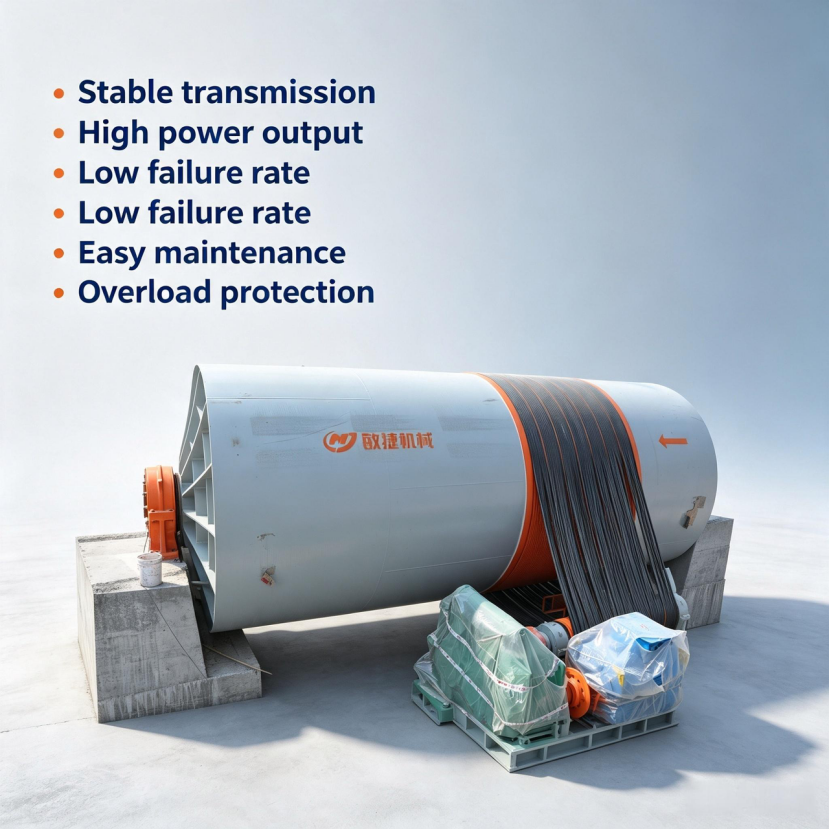
Weighing structure, energy consumption, and wear resistance, we recommend Minjie Machinery’s ball mills and grinding balls:
- Full model range: from laboratory units to large mining mills, in dry, wet, overflow, and grate configurations;
- Wear-resistant build: high-manganese steel or rubber liners matched with forged steel balls (HRC 55–65) and high-chromium cast balls, so liner and media lives stay in step;
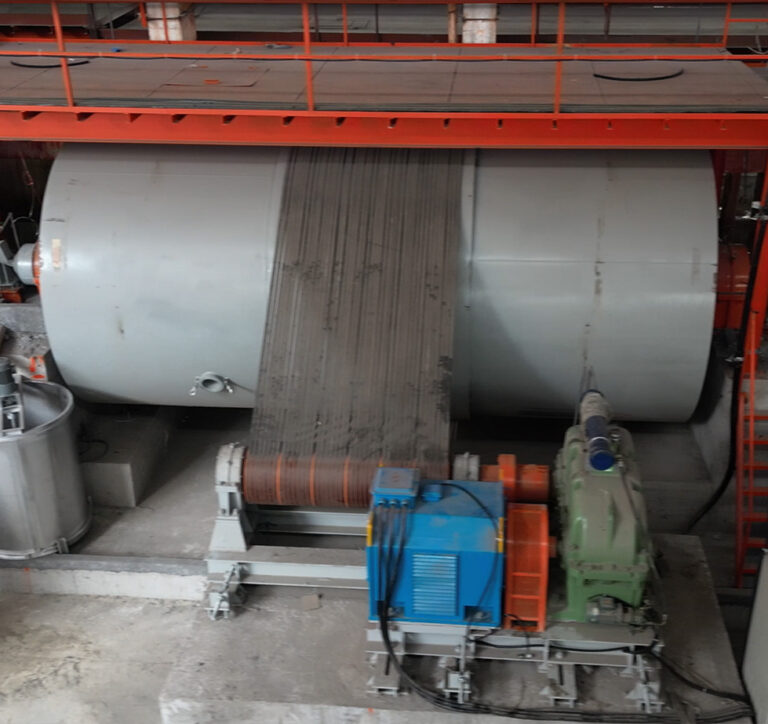
- Proven drives: center- or girth-gear drives verified under load for smooth running and lower kWh per ton;
- Gradation service: initial ball charge designed from feed size, target fineness, and Bond work index, plus a make-up schedule.
Before ordering a ball mill machine, settle three figures first: capacity (t/h), fineness (e.g., 200-mesh passing rate), and energy (kWh/t). Then ask the supplier to run grinding tests on your ore sample.
7. Conclusion
A ball mill machine looks plain, but it has applied the “impact plus attrition” principle reliably for more than a century. Set speed, fill, and feed ratio correctly, and both energy draw and output improve. With its complete mill lineup, wear-resistant grinding balls, and charge-design service, Minjie Machinery gives mining, cement, and ceramics producers the full answer—from machine to process.
Contact us now for more information and product quotations.