
1. What Is a Lab Ball Mill?
A lab ball mill is a piece of laboratory equipment used to grind, mix, and refine solid materials. It uses mechanical energy generated by moving grinding media to reduce particle size and improve powder uniformity.
During operation, a motor drives the grinding jar or cylindrical drum. Grinding balls move inside the container and repeatedly collide with the sample, the container wall, and each other. These interactions create impact, friction, and compression, gradually breaking larger particles into smaller ones.
Compared with industrial grinding equipment, laboratory-scale machines generally handle smaller batches and offer greater flexibility for research and testing. Researchers can adjust operating conditions, compare experimental results, and develop suitable processing parameters before moving to larger production systems.
This equipment is commonly used in ceramics, mineral processing, metallurgy, chemical engineering, battery materials, and advanced materials research.
2. How Does a Laboratory Ball Mill Work?
The basic principle is mechanical size reduction through repeated collisions and friction.
When the machine starts, its motor drives the grinding container through rotation, vibration, or a combination of movements. The grinding balls move inside the container under the influence of gravity, inertia, and centrifugal forces.
The process involves three main mechanisms:
Impact: Moving balls collide with material particles and apply mechanical force, causing larger particles to fracture.
Friction and attrition: Continuous contact between grinding balls and powder gradually reduces particle size.
Mixing: Repeated movement distributes different powder components more evenly throughout the container.
The final grinding result depends on several factors, including rotational speed, grinding media size, ball-to-powder ratio, milling duration, container design, and material properties.
Research by Burmeister and Kwade highlights the importance of grinding media properties, filling ratio, and rotational speed in determining energy transfer and processing performance.
Therefore, increasing the speed does not always produce better results. Researchers should test different operating conditions and select parameters according to the specific material and target particle size.
3. Common Types of Laboratory Grinding Mills
Different research projects require different grinding mechanisms. The following designs are commonly used.
3.1 Planetary Ball Mills
Planetary machines combine the rotation of a grinding jar with its revolution around a central axis. This movement creates relatively high-energy impacts and intensive grinding.
They are suitable for small-batch experiments involving ceramic powders, metal alloys, nanomaterials, and composite materials.
3.2 Tumbler Ball Mills
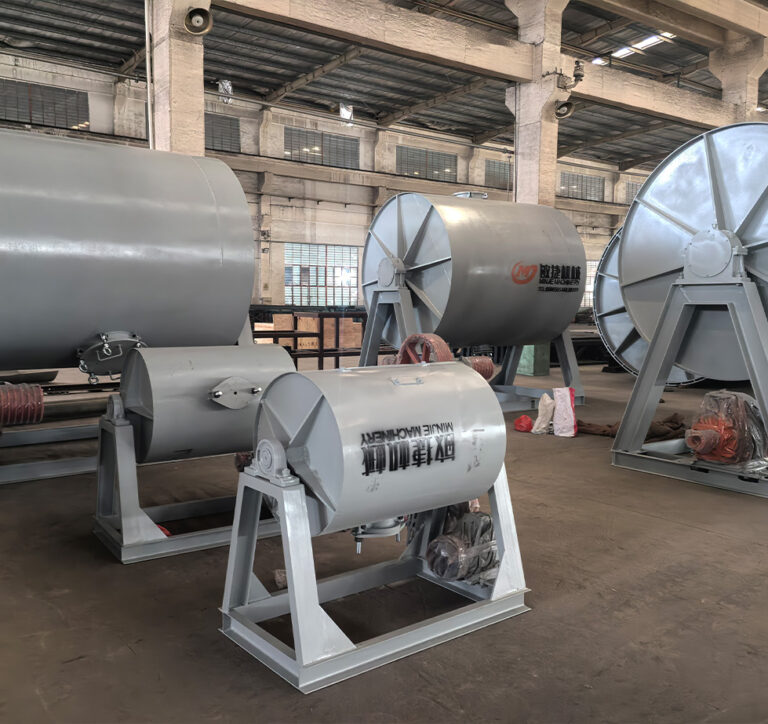
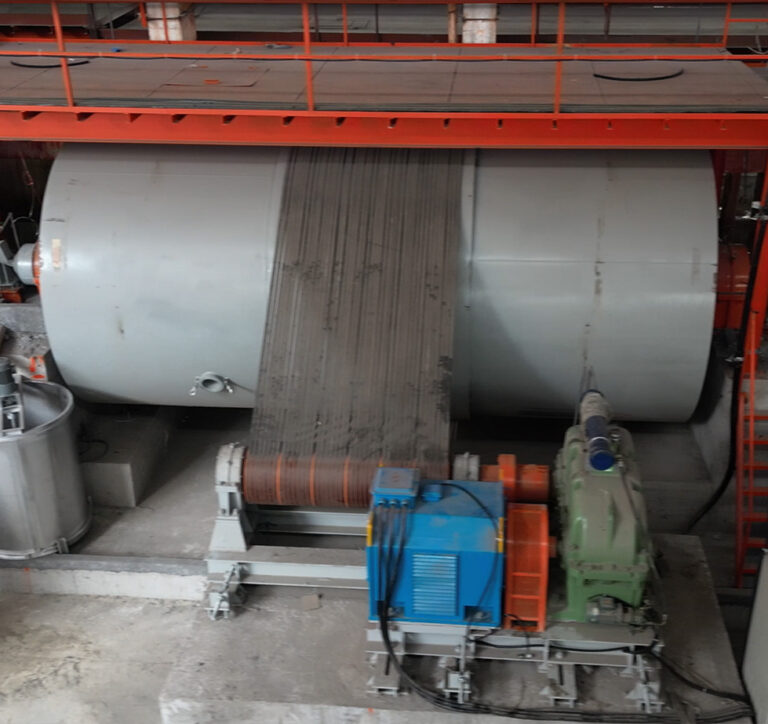
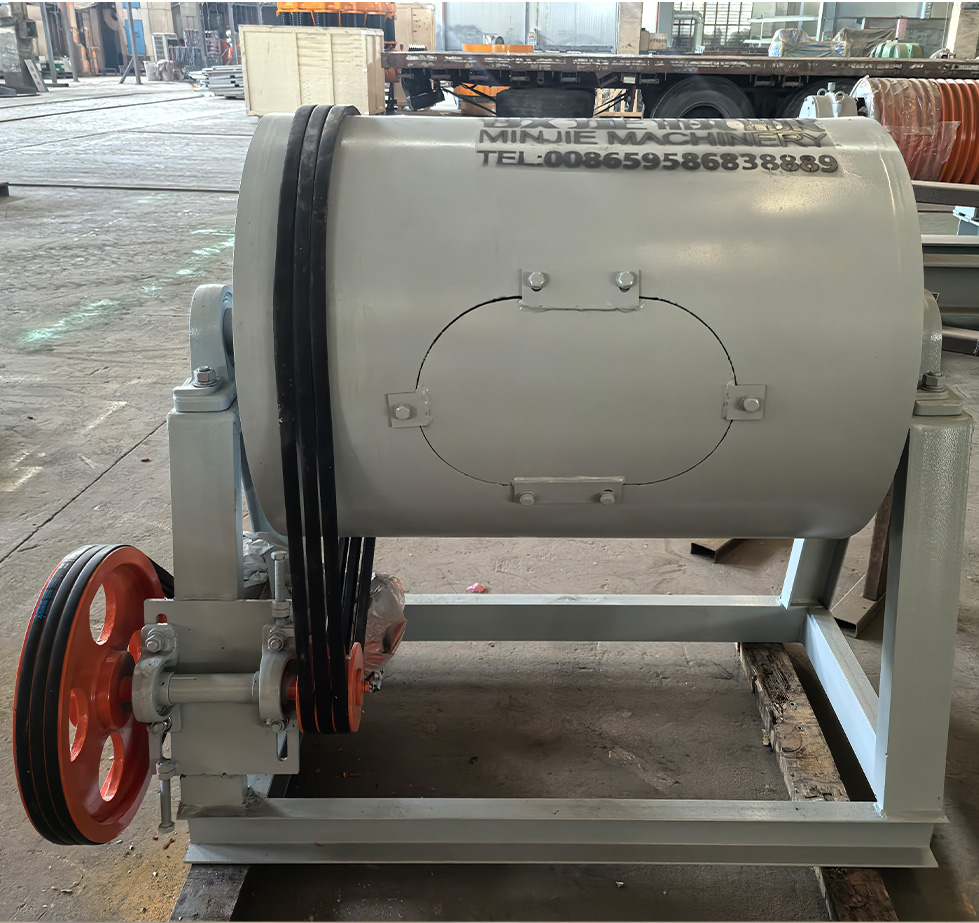
Tumbler machines rotate a cylindrical container to lift and release the grinding media. The balls repeatedly roll and fall through the material, producing impact and friction.
This design is suitable for mixing and grinding applications that require longer processing times or relatively larger laboratory batches.
3.3 Vibratory Ball Mills
Vibratory equipment uses high-frequency movement to accelerate grinding media. Repeated collisions help break down solid samples.
Researchers often use this design for rapid processing of small quantities of material.
3.4 Stirred Ball Mills
Stirred machines use an internal rotating mechanism to move the grinding media. They generate continuous shear and grinding forces and are often used for fine grinding and slurry dispersion.
Each design has different advantages. The appropriate choice depends on sample characteristics, processing capacity, required particle size, and experimental objectives.
4. Main Applications
4.1 Ceramic Materials
Ceramic research often requires consistent powder size and uniform mixing before forming and sintering.
Researchers use grinding equipment to process alumina, zirconia, and other ceramic raw materials. Proper grinding conditions can help prepare samples for subsequent forming, sintering, and material performance tests.
4.2 Battery and New Energy Materials
Battery research involves the preparation and processing of electrode powders, solid electrolytes, and other functional materials.
Grinding and mixing help researchers investigate powder characteristics and mechanical activation. By adjusting processing time, speed, and media ratios, they can evaluate changes in material structure and performance.
4.3 Metal Powders and Alloys
Mechanical milling plays an important role in metal powder processing and mechanical alloying.
It can help researchers refine metal particles, mix different metal components, and investigate solid-state material transformations.
However, ductile metals may undergo cold welding or agglomeration during processing. Researchers should select appropriate grinding media and operating conditions to control these effects.
4.4 Minerals and Chemical Materials
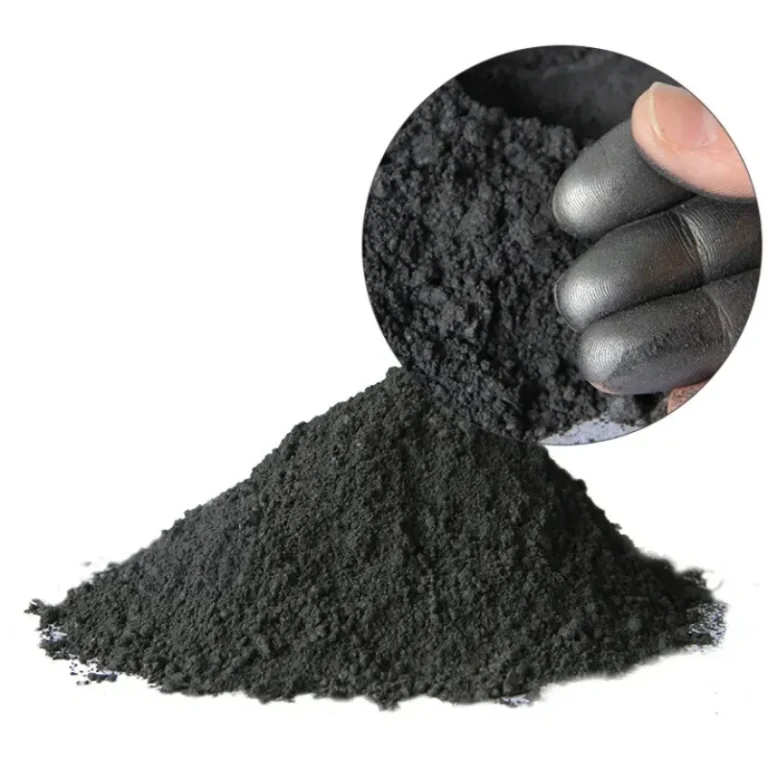
Mineral laboratories and chemical manufacturers also use grinding equipment for sample preparation, powder refinement, pigment processing, and material modification.
These experiments provide useful information for optimizing subsequent industrial processes.
5. How to Choose the Right Equipment
Selecting suitable equipment requires more than comparing motor power or maximum speed. Consider the following six factors.
1. Material properties
Evaluate material hardness, brittleness, moisture content, and chemical characteristics. Sensitive samples may require sealed containers or a protective atmosphere.
2. Processing capacity
Determine the required sample quantity per batch. Select a machine that can handle current experiments while allowing reasonable flexibility for future research.
3. Speed and motion
Different grinding mechanisms generate different energy levels. Compare operating speed together with the machine’s structure and movement pattern rather than treating RPM as the only performance indicator.
4. Grinding jars and media
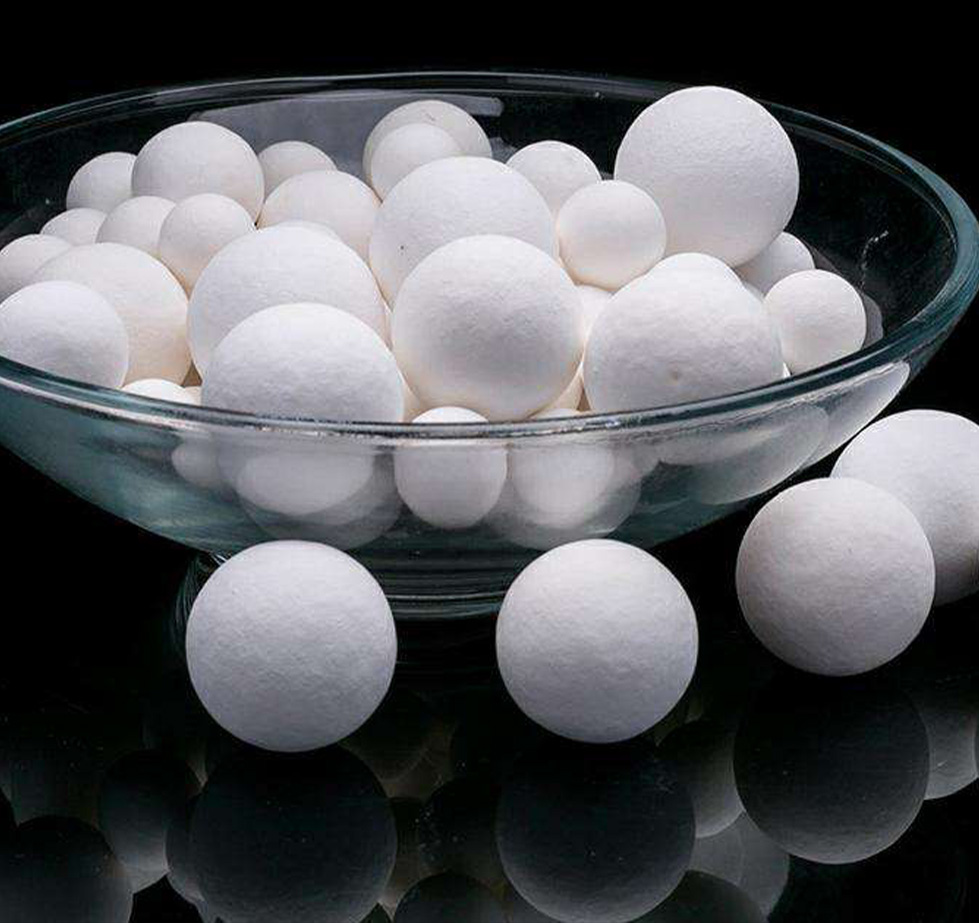
Common materials include zirconia, alumina, stainless steel, and tungsten carbide. Each has different hardness, wear resistance, and contamination characteristics.
For high-purity experiments, selecting compatible jars and grinding balls is particularly important.
5. Dry and wet grinding
Dry grinding is suitable for powder processing without liquid media. Wet grinding uses a compatible liquid to improve dispersion and can help control airborne dust.
The choice depends on material characteristics, solvent compatibility, and the desired final product.
6. Safety and technical support
Check the protective enclosure, drive stability, sealing system, and available safety features. Also review spare-parts availability, maintenance requirements, warranty terms, and technical support.
Before purchasing, researchers should ideally conduct a small-scale grinding test to verify that the proposed configuration meets their requirements.
6. How to Improve Grinding Performance
Good equipment selection is only one part of successful laboratory work. Operating conditions also matter.
First, control the loading ratio of grinding balls and powder. Excessive loading restricts ball movement, while insufficient loading may reduce grinding efficiency.
Second, select appropriate ball sizes. Larger balls generally provide stronger individual impacts, while smaller balls offer more contact points. The best combination depends on the sample and machine design.
Third, optimize processing time and rotational speed. Excessive grinding can increase equipment wear, temperature, and contamination. Temperature-sensitive materials may benefit from intermittent operation and regular temperature monitoring.
Finally, inspect the grinding jars, seals, and balls regularly. Replace damaged or excessively worn components to maintain consistent results.
A review published in Chemical Society Reviews explains that planetary grinding processes are complex and depend on several interacting variables, including media properties, filling ratio, and rotational speed.[1] Recording these parameters helps researchers reproduce experiments and improve process consistency.
7. Why Consider Minjie Machinery?
Fujian Minjie Machinery Co., Ltd. was established in 1988 and has focused on the development and manufacturing of ceramic machinery. The company also describes its manufacturing facilities, engineering resources, and technical cooperation experience.
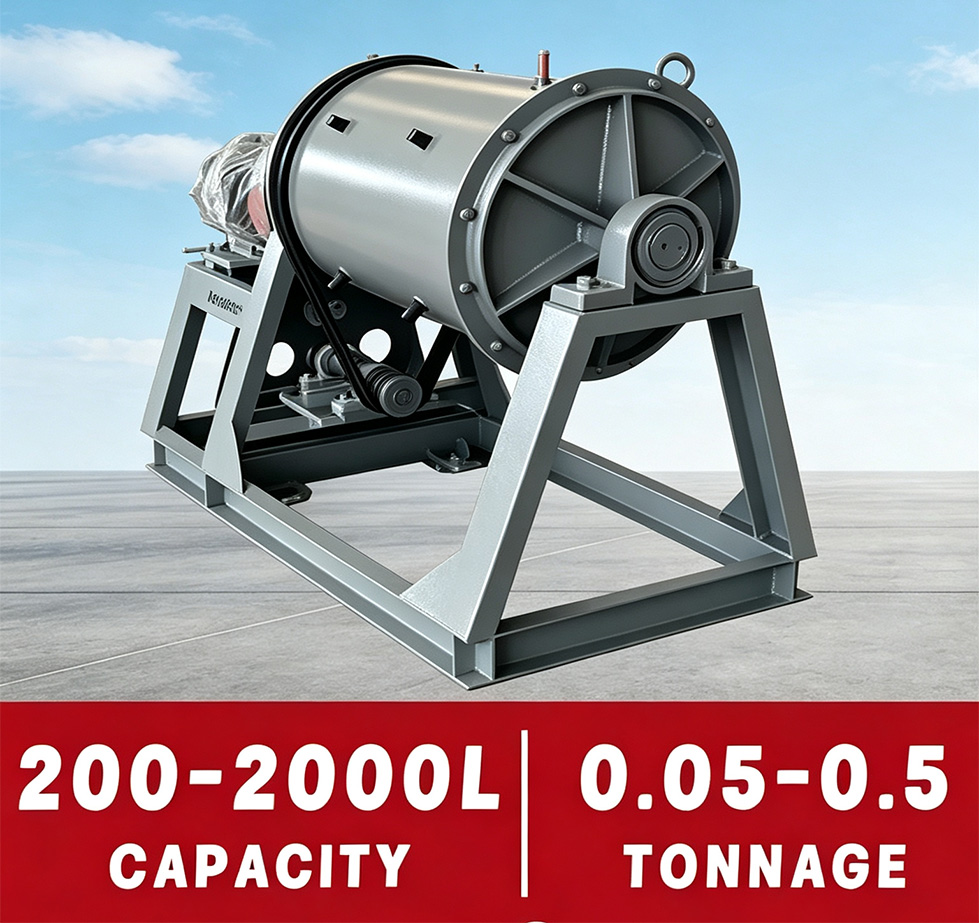
Its industrial machinery background makes it a potential supplier to contact when evaluating laboratory grinding requirements.
When discussing a laboratory grinding project with Minjie Machinery, buyers should confirm the following points:
- Whether the company can supply a laboratory-scale grinding machine or a customized grinding solution.
- Whether different grinding jar sizes and media materials are available.
- Whether engineers can recommend suitable speeds and processing configurations.
- Whether sample testing or equipment demonstrations are available.
- Whether the company provides technical support, spare parts, and after-sales service.
It is important to verify the exact product model, laboratory-scale specifications, and available configurations directly with the manufacturer. The company’s general product information should not be treated as confirmation that a particular laboratory model is currently available.
8. Conclusion
A lab ball mill is an important tool for powder preparation, material research, and process development. It helps researchers grind, mix, and mechanically activate materials under controlled experimental conditions.
Choosing the right machine requires a clear understanding of material properties, target particle size, batch capacity, grinding media, and operating conditions.
Instead of focusing only on price or maximum speed, buyers should prioritize processing suitability, operating stability, equipment quality, and technical support.
If you are planning a new powder processing project, consider contacting Minjie Machinery to discuss your material requirements, available equipment configurations, and potential customized solutions.
Contact us now for more information and product quotations.